
If your dog has gone missing and you’re worried a coyote might be responsible, you’ll want to know what to look for. Coyotes usually kill by biting the neck, cutting off air and causing shock. Small dogs or cats often get dragged away, so you might notice torn fur, bite marks, or disturbed ground near where your pet was last seen.
Sometimes, pets attacked by coyotes don’t survive very long, so spotting these clues quickly can help you figure out what happened.

Coyotes act fast and know how to sneak up on pets, even in neighborhoods where you wouldn’t expect them. If your dog disappears suddenly or comes home with fresh injuries that match coyote bite patterns, a coyote probably attacked.
If you know these details, you can react quickly—search the area, call animal control, or warn your neighbors.
If you want to protect your dog or make sense of a sudden loss, learning to spot coyote attack signs helps you act faster and with more confidence.
Recognizing Signs of a Coyote Attack on Dogs
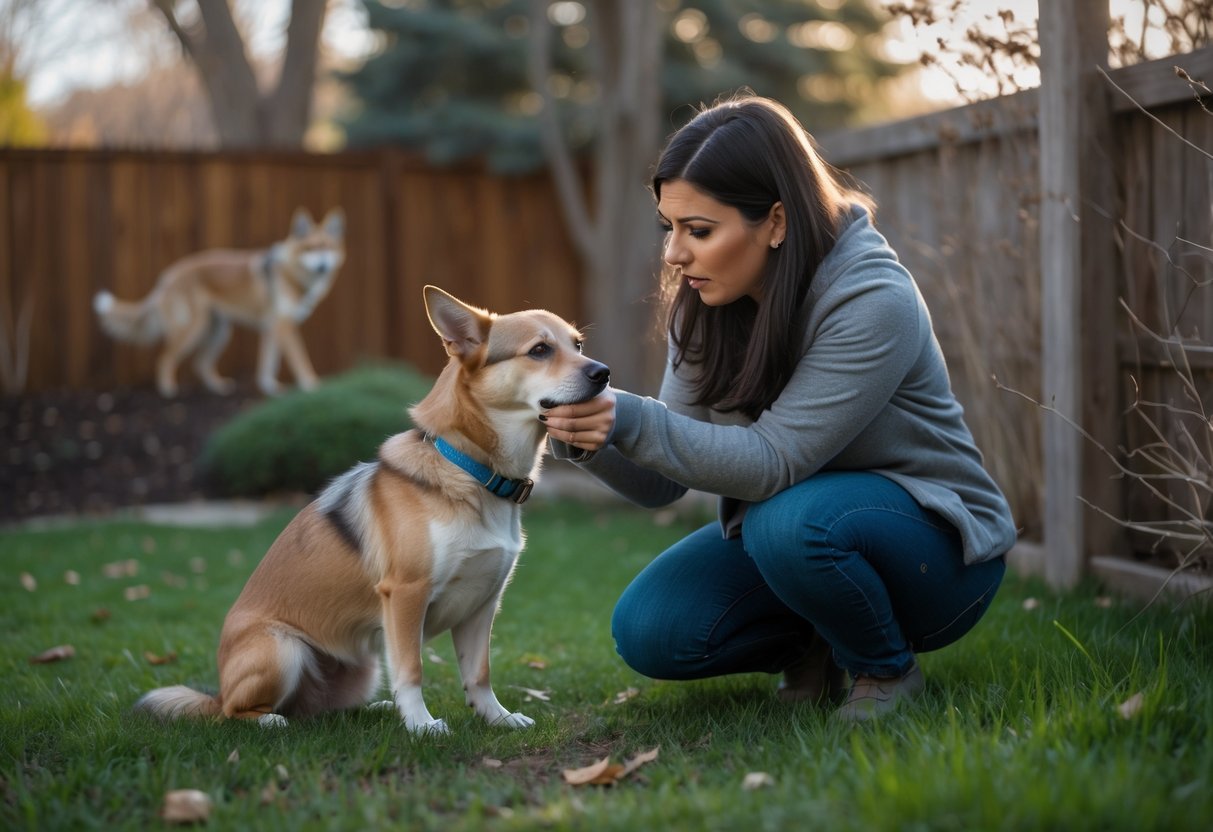
Knowing what to check for can help you figure out if a coyote attacked your dog. Physical wounds, changes in your dog’s behavior, and health risks like infections or rabies are all important clues.
Common Physical Evidence Left by Coyotes
You might spot puncture wounds around your dog’s neck, legs, or belly. These come from the coyote’s sharp teeth.
Look for bruises, torn skin, or missing fur that you haven’t seen before. Bite marks often show up in pairs or small clusters.
Coyotes sometimes drag smaller dogs away, so you might notice scratches or dirt on your dog’s coat from struggling.
If you find these injuries, get your dog to a vet right away. The vet can check for deeper wounds you might miss.
Differences Between Coyote and Other Animal Attacks
Coyote bites look small, sharp, and close together because of their teeth. If you’ve seen dog or bobcat attacks, their bite marks look different.
Dogs usually leave larger, blunt bites. Bobcats make deeper, more spaced out wounds.
Coyotes often go for the neck or legs first. If your dog has bites mostly there, a coyote could be the culprit.
Behavioral Clues Before and After an Attack
Coyotes sometimes get bold and come close to yards, especially at night or early morning. You might notice your dog acting scared, restless, or hiding after a close call.
After an attack, dogs might limp, whimper, or stop eating. Some seem anxious or avoid going outside at all.
Watch for sudden fear of certain spots outdoors or weird reactions to noises—sometimes, that’s a clue a coyote is hanging around.
Health Risks Related to Coyote Attacks
Coyote bites can carry bacteria, leading to infections. Keep an eye out for swelling, redness, or oozing around wounds.
There’s also a risk of rabies, since wild animals like coyotes can carry it. If you think a coyote bit your dog, your vet might recommend rabies shots or a booster.
Coyotes can pass along ticks, fleas, and other parasites, too. Ask your vet about prevention, and keep watching your dog’s health after any attack.
Acting fast can make a big difference for your dog’s recovery.
For more info, check out coyote bite marks on dogs.
How to Prevent Future Coyote Attacks on Dogs
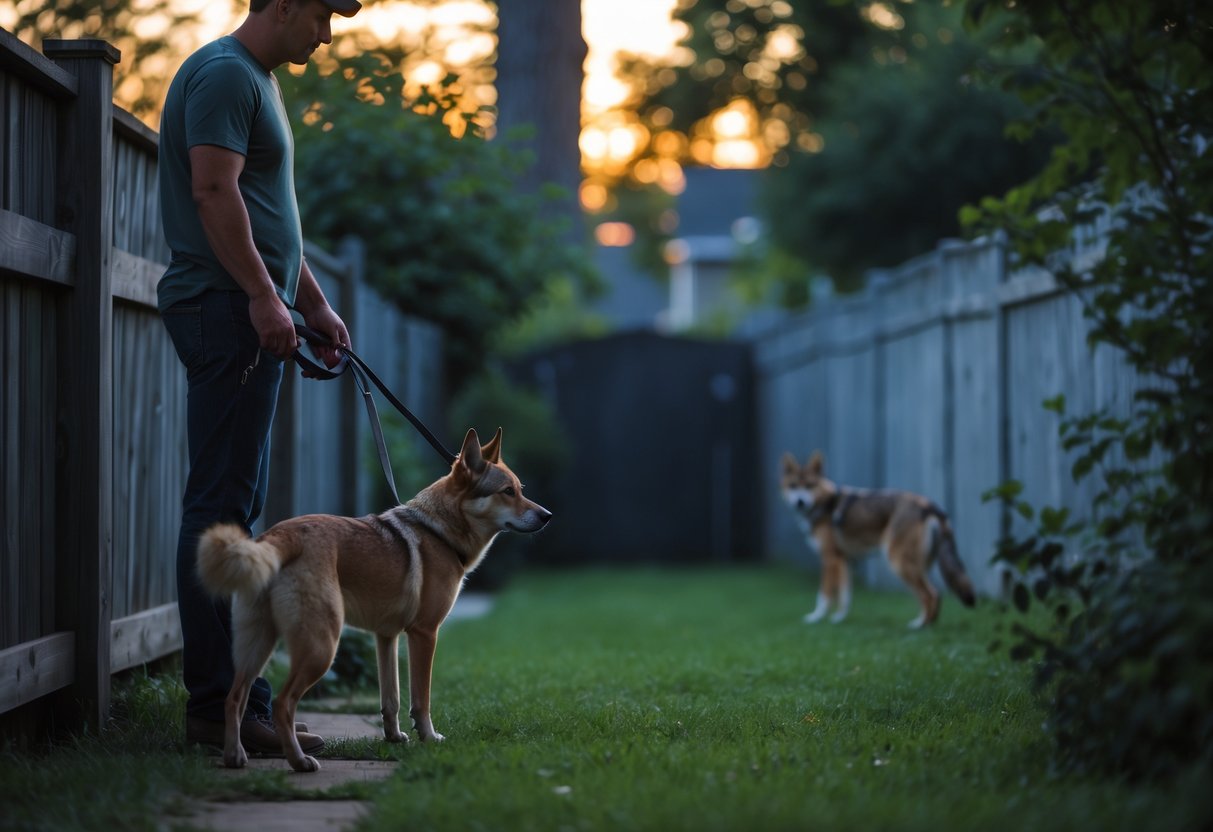
Keeping your dog safe from coyotes takes some planning, both at home and when you’re out. You’ll want to secure your yard, look into protective gear, and rethink your walking routine.
These steps can lower the risk of something bad happening.
Effective Yard and Outdoor Safety Tips
Start by making your yard less attractive to coyotes. Secure your fence by burying it at least 18 inches deep, or use concrete to block digging. Make sure the fence stands at least 6 feet tall.
Take away any food sources outside. Don’t leave pet food or trash out where coyotes or their prey can get it.
Talk with your neighbors about not feeding strays or wild animals.
Keep your dog indoors when you’re not home, even if you have a fenced yard. Coyotes can jump or dig under fences if they’re determined.
Try motion-activated lights or alarms to scare coyotes away at night.
Protective Gear Like Coyote Vests
A coyote vest with bite-resistant material can help protect your dog’s neck and body. These vests use tough fabrics like Kevlar to shield your pet from bites.
They’re pretty lightweight and flexible, so most dogs don’t mind wearing them. Reflective strips on the vest also help drivers and neighbors see your dog during early morning or late evening walks.
This extra protection can really make a difference, especially for small dogs or breeds coyotes might target.
Keeping Your Dog Safe on Walks
Keep your dog on a short leash and stay close during walks. Letting them wander into bushes or off trails? That’s risky—coyotes love to hide in those spots.
Try to walk your dog during daylight hours. Coyotes usually come out at dawn and dusk, so it’s better to avoid those times if possible.
Bring along noise makers, like a whistle, air horn, or even a squirt bottle with vinegar water. If you spot a coyote, make loud noises or sudden movements to scare it away. Don’t run or turn your back; just keep facing it.
Want more tips? Check out how to protect your dog from coyote attacks.


