
When a bee lands on you, it’s totally normal to feel jumpy. You might want to swat it right off.
But honestly, sudden moves or trying to shoo the bee often just make things worse. The best move? Stay still and calm—bees usually won’t sting unless they feel threatened.
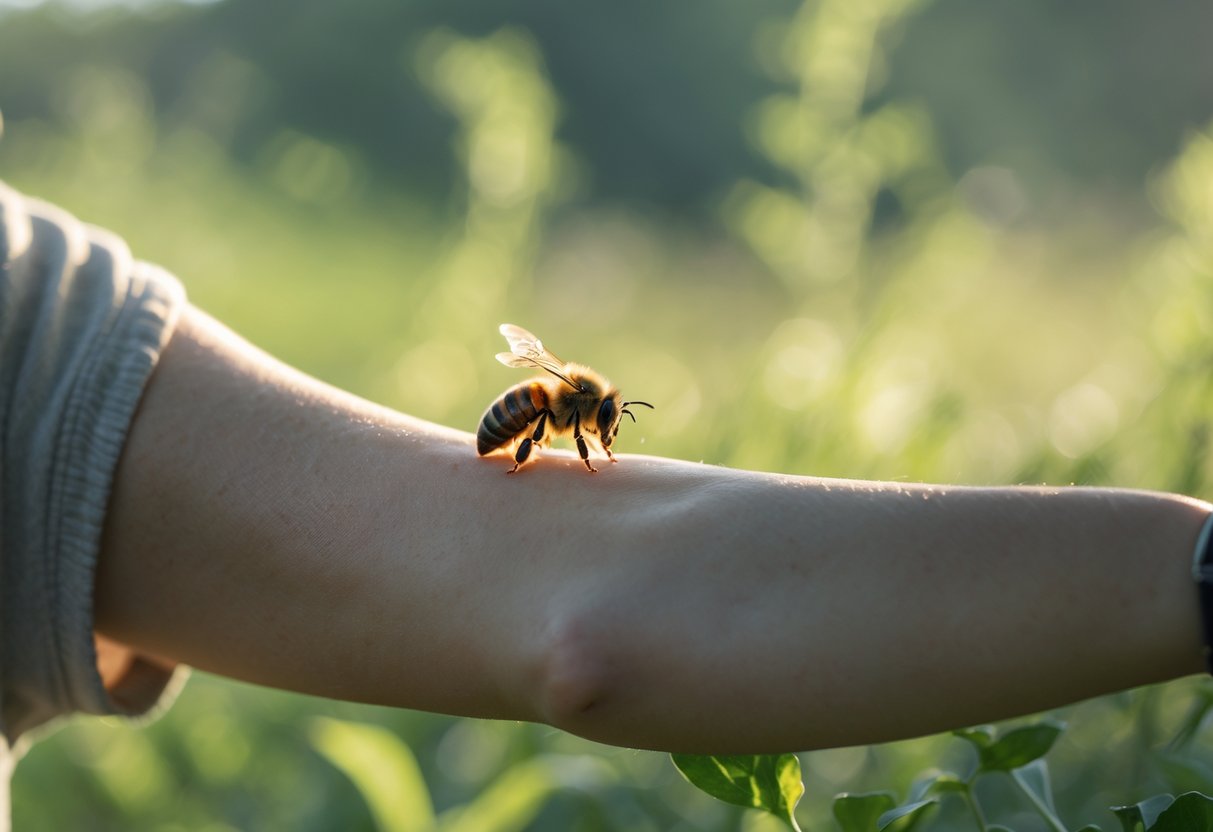
Bees only sting to defend themselves. If you make quick motions, you might look like a threat to the bee.
Letting the bee check you out and then fly away on its own is usually safest. When you stay calm, you not only avoid a sting, but you also help the bee feel less cornered.
Knowing what to do in this weird moment can really help you stay safe and avoid panicking. Let’s get into why staying still works and what you can do if the bee just won’t leave.
Should You Stay Still If a Bee Is on You?

When a bee lands on you, your reaction really matters. Staying calm and still keeps both you and the bee safe.
How you act changes how the bee behaves. It can make all the difference between a peaceful moment and a sting.
How Remaining Still Affects Bee Behavior
If you stay still, the bee usually figures out you’re not a threat. Most bees don’t want to sting unless they absolutely have to.
Move slowly or just stand there, and the bee will probably just explore for a bit, then fly off. Bees use their stings only as a last defense, and stinging actually hurts the bee too—it often dies after.
You can gently blow air toward the bee or slowly walk away when it starts to move. Swatting just makes things worse and can make the bee feel threatened.
Risks of Sudden Movements Around Bees
Quick, jerky movements can spook the bee. When a bee feels threatened, it might sting to defend itself.
Swatting or waving your arms? That just looks like danger to a bee. If you panic and move fast, bees can release alarm pheromones.
These pheromones tell other bees nearby to get ready to defend themselves. So, if a bee lands on you, just keep calm and avoid sudden moves.
What to Do if the Bee Shows Signs of Aggression
If the bee starts buzzing louder, raises its body, or keeps bumping into you, it probably feels threatened. That’s usually a warning to back off.
In this situation, move away slowly and calmly. Don’t swat or try to trap the bee.
Quick moves will just raise your chances of getting stung and might freak out other bees too. If you’re near a nest or a swarm, it’s best to quietly leave the area.
Bees near their home can get more defensive. If the bee seems calm, staying still is great. But if it’s acting aggressive, just make a slow, quiet exit.
For more tips on avoiding bee stings, check out Friendly Tips to Avoid Getting Stung by a Bee.
Safely Responding to a Bee Landing

If a bee lands on you, staying calm is honestly the most important thing. Moving slowly makes it less likely you’ll startle the bee.
Let’s talk about how to gently get a bee to leave, how to avoid attracting them, and what to do if you get stung.
Gently Removing the Bee Without Provoking It
If a bee lands on you, don’t swat or wave your arms. Just stay still and give it a moment to calm down.
When you’re ready, use a slow, smooth motion—maybe with a soft cloth or a gloved hand—to gently brush the bee away. Don’t squeeze or make any sudden moves.
Most bees just leave on their own if you keep calm. Once the bee leaves, you can slowly walk away from the area to lower the chance of it coming back.
How to Avoid Attracting Bees in the Future
Bees love sweet smells and bright colors. To keep them at bay, skip the strong perfumes, scented lotions, and bright, floral clothes.
Keep your food and sugary drinks covered outside. Clean up spills as soon as you can.
If you’ve got flowering plants in your yard, try planting bee-friendly flowers away from patios or play spaces to cut down on run-ins. Wearing light, neutral colors and avoiding heavy scents are easy ways to make yourself less interesting to bees.
What to Do if You Are Stung or Experience an Allergy
If you get stung, try to scrape the stinger out fast with your fingernail or maybe a credit card. Don’t squeeze it—nobody wants extra venom.
Wash the spot with soap and water. Icing it can help keep the swelling down.
For mild reactions, you can use antihistamine cream or take some oral meds for the itching and pain.
If you already know you’re allergic, or suddenly notice it’s getting hard to breathe, your face or throat is swelling, or you feel dizzy, grab your epipen right away and call for emergency help.
Honestly, knowing your allergy risk and keeping an epipen close by when you’re around bees could make all the difference.


