
Bees see the world in a pretty unique way. Their eyes pick up movement easily but struggle with small details.
If you stand still, bees usually can’t figure out exactly what you are or decide if you’re a threat. That means you’re less likely to get noticed or stung.

Even when bees can’t see you clearly while you’re standing still, they can sense you in other ways. If you wave your hands or move suddenly, they react fast.
If you understand how bees see, you’ll probably feel calmer and safer around them.
Instead of panicking, just staying still can keep you from being bothered by these buzzing insects.
Let’s look at why this works and what you can do if a bee gets close.
How Bees See Humans and Movement

Bees see things differently than we do. Their vision and senses focus more on movement and shapes, not fine details.
This changes how they notice people, especially if you’re standing still or moving slowly.
Bee Vision and Sensory Perception
Bees have two big compound eyes and three smaller simple eyes. The compound eyes show them lots of tiny images at once, but those images are pretty low on detail—kind of like a blurry, pixelated photo.
They see colors we can’t, especially ultraviolet light. That helps them spot flowers and patterns we’d never notice.
Bees process images way faster than we do. They pick up on even tiny movements almost instantly.
Their sense of smell is actually stronger than their eyesight. They use it to recognize things nearby, including people.
Can Bees Distinguish Motionless Objects?
Bees pay much more attention to movement than to still objects. If you stand really still, you probably won’t catch their eye.
They can see shapes and outlines, but only if you’re close. From far away, a motionless person just looks like a fuzzy shape.
If you avoid sudden moves or waving your arms, bees usually don’t feel threatened. That lowers your chances of getting stung.
Factors That Influence Bee Vision
How fast you move matters most. Fast, jerky movements grab their attention much more than slow or no movement.
Clothing color plays a role too. Bees can’t really see red but notice blues and violets better, probably because of their ultraviolet sensitivity.
The way you approach a hive also makes a difference. Quiet, slow steps and light-colored clothes help you blend in more.
Here’s a quick list of things that affect bee vision:
- Movement and speed
- Clothing color and patterns
- How close you are
- Scents you give off
If you keep these in mind, you can avoid attracting bees. For more details on how bees see people, check out bees see humans.
Do Bees React Differently When You’re Not Moving?
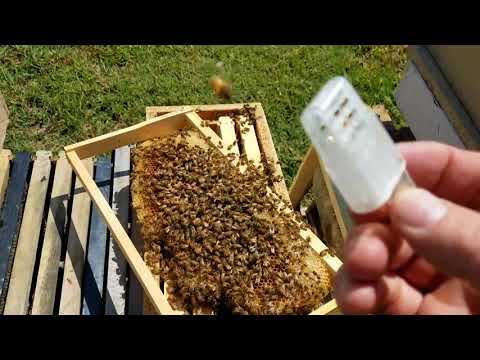
Bees mostly notice movement and use it to figure out if something’s a threat. When you stay still, they often see you as less risky.
Some actions can still set them off, though.
Bees’ Response to Stillness Versus Motion
Bees rely more on spotting movement than on seeing details. If you stand perfectly still, bees usually don’t view you as dangerous.
Your shape might just blend in with the background, like a tree or a bush.
If you move quickly, bees spot you right away. Rapid arm waving or running near a hive can make them defensive.
Bees may sting to protect themselves if they feel threatened.
If you stay calm and move slowly, you’re less likely to get their attention. Bees don’t want to sting unless they really have to.
Behavioral Triggers for Bee Stings
Bees sting mainly for two reasons: they feel attacked or they’re defending their hive. Sudden moves, loud noises, or swatting make a sting much more likely.
If you step on a bee or accidentally trap one, it’ll react defensively. Bees also notice certain colors or smells, but movement is usually what sets them off.
Even if you stand still, a bee might sting if it thinks you’re a threat. But honestly, the risk drops a lot compared to moving quickly near them.
Tips for Safely Interacting With Bees
When a bee gets close, just try to stay calm. Quick movements only make things worse.
It helps to move away slowly instead of swatting or running. Bees tend to notice sudden gestures.
Try wearing light-colored clothes that don’t have strong scents. Bright colors and heavy perfumes? Bees love those, so it’s better to avoid them.
If you notice bees gathering around you, don’t freak out. Take a breath and walk away gently—rushing or flailing usually backfires.
Curious about how bees actually see you, or what happens if you just stand still? Check out this article on how bees react differently when you stand still.


