
Ever wondered how to tell if a frog is poisonous? The first thing I usually check is its colors and patterns. Lots of poisonous frogs show off bold, bright shades—think red, yellow, or blue—that basically scream “don’t eat me!” to any predator nearby.
Those flashy colors and slick, shiny skin usually mean the frog’s packing toxins right on its surface.
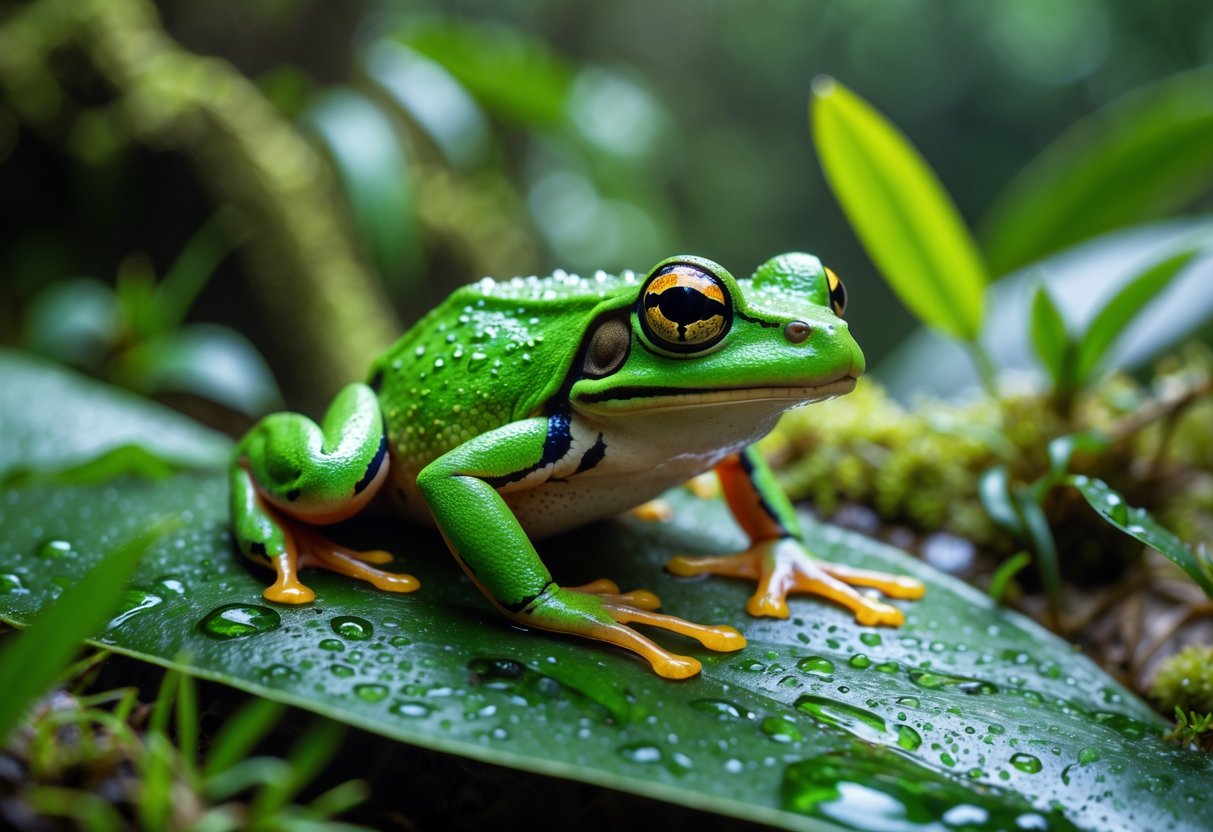
Location matters, too. You’ll often find poisonous frogs in tropical spots like Central and South America or Madagascar.
If you stumble on a tiny, brightly colored frog in those areas, it’s smart to play it safe and keep your distance.
Even if a frog looks harmless, you shouldn’t touch it with your bare hands. Some frogs are masters at blending in but still carry toxins.
I’d suggest just watching them or snapping a photo from afar—binoculars work great for this. If you want more details, check out some specialized guides like the ones on realitypathing.com.
How to Identify Poisonous Frogs

You can pick out poisonous frogs by looking at their color, pattern, skin texture, size, and how they act. Some frogs warn you with neon colors, while others have weird glands or odd skin.
If you watch a frog’s behavior or notice any strange smells, those can be clues, too.
Bright and Aposematic Coloration
Many poisonous frogs use wild colors like yellow, red, blue, green, or orange to warn off predators. Scientists call this aposematic coloration, which is just a fancy way of saying “don’t mess with me.”
Bright, shiny skin usually means the frog’s got poison.
But here’s the twist—not every bright frog is actually poisonous. Some harmless frogs pretend to be dangerous by copying those colors.
Still, I’d rather not take chances. The golden poison dart frog, for example, flashes bright yellow skin to show off its powerful toxins.
Distinctive Patterns and Skin Texture
Toxic frogs usually have bold patterns—spots, stripes, or patches that really stand out. You’ll see colors that clash or pop against the rest of their skin.
Their skin might look glossy, or sometimes it’s bumpy and rough. Toads, which are close cousins, often have rough skin and big parotoid glands right behind their eyes.
Those glands produce toxins for defense. Spotting these features can help you steer clear of dangerous frogs.
Size, Shape, and Visible Glands
Most poisonous frogs are pretty small, usually around 1 to 2 inches long. Poison dart frogs fit this description.
Toads, on the other hand, tend to be bigger and look chunkier.
Check behind the eyes for those parotoid glands—they’re a dead giveaway for toxic toads. Some frogs have smooth skin, others feel rough or bumpy.
Paying attention to size and gland shape can help you figure out which frogs you should avoid.
Behavioral and Olfactory Clues
Toxic frogs don’t usually act aggressive. They count on their poison to keep them safe, so they’ll either freeze up or hop away instead of fighting back.
If a frog feels stressed or threatened, it might ooze toxins from its skin.
Sometimes, you’ll catch a whiff of something nasty if a poisonous frog or toad gets scared. That smell is a warning sign.
If you see a frog puffing up or notice a weird odor, it’s best to leave it alone.
For more info, you can check out this guide: How to Identify Poisonous Frogs Safely.
Common Poisonous Frog Families and Dangerous Species

A few frog families are known for their poisonous members, and each group has its own unique look and toxins. Some frogs make super-deadly poisons like batrachotoxin, while others use chemicals like bufotoxin.
If you know which families to watch out for, you’ll have a much easier time staying safe.
Dendrobatidae: Poison Dart Frogs
The Dendrobatidae family covers the famous poison dart frogs. These guys really stand out with their electric blue, yellow, or red colors.
Their skin can pack batrachotoxin, which is one of the most dangerous natural poisons out there.
You might have heard of the golden poison dart frog (Phyllobates terribilis)—it’s insanely toxic.
Another one to know is the blue poison dart frog, which has a stunning blue color and dangerous skin secretions.
These frogs get their poison from their diet, mainly by eating certain ants and insects that contain alkaloids. If you see a tiny frog with wild colors and smooth skin, it’s best to keep your hands off.
Mantellidae and Bufonidae Toads
Two other big families are Mantellidae and Bufonidae. Mantellidae frogs mostly live in Madagascar and can give you a nasty rash if you touch them.
The Bufonidae family includes toads like the Colorado River toad. This one makes bufotoxin, which messes with your heart and nerves.
It’s not as deadly as batrachotoxin, but it can still make you really sick if you’re not careful.
Toads in this family usually have dry, bumpy skin and aren’t as colorful as dart frogs. You can spot them by their rough texture and those big parotoid glands behind their eyes—that’s where they stash their toxins.
Notable Poisonous Species Worldwide
You’ll find a handful of well-known poisonous frogs and toads around the world. People usually think of dart frogs and toads, but honestly, species like Bruno’s casque-headed frog and the waxy monkey frog pack their own toxins for defense.
The golden mantella lives in Madagascar and, despite its tiny size, has a surprisingly strong poison. Most poisonous frogs hang out in tropical rainforests—think South America, Central America, and Southeast Asia.
Bright colors, weird patterns, or rough-looking skin? Those are nature’s way of saying, “Hey, don’t touch.” If you’re out exploring where these frogs might live, it helps to know what to look for. Want more tips on spotting dangerous frogs? Take a peek at this guide on poison dart frogs and other species.


