
Coyotes—yep, Canis latrans—pop up in all sorts of places, even right in the middle of cities. Maybe you’ve wondered: do these wild animals actually go after people? Honestly, coyote attacks on humans are extremely rare, and only a handful happen each year. Most coyotes just want to keep their distance, unless they feel threatened or get a little too used to people.
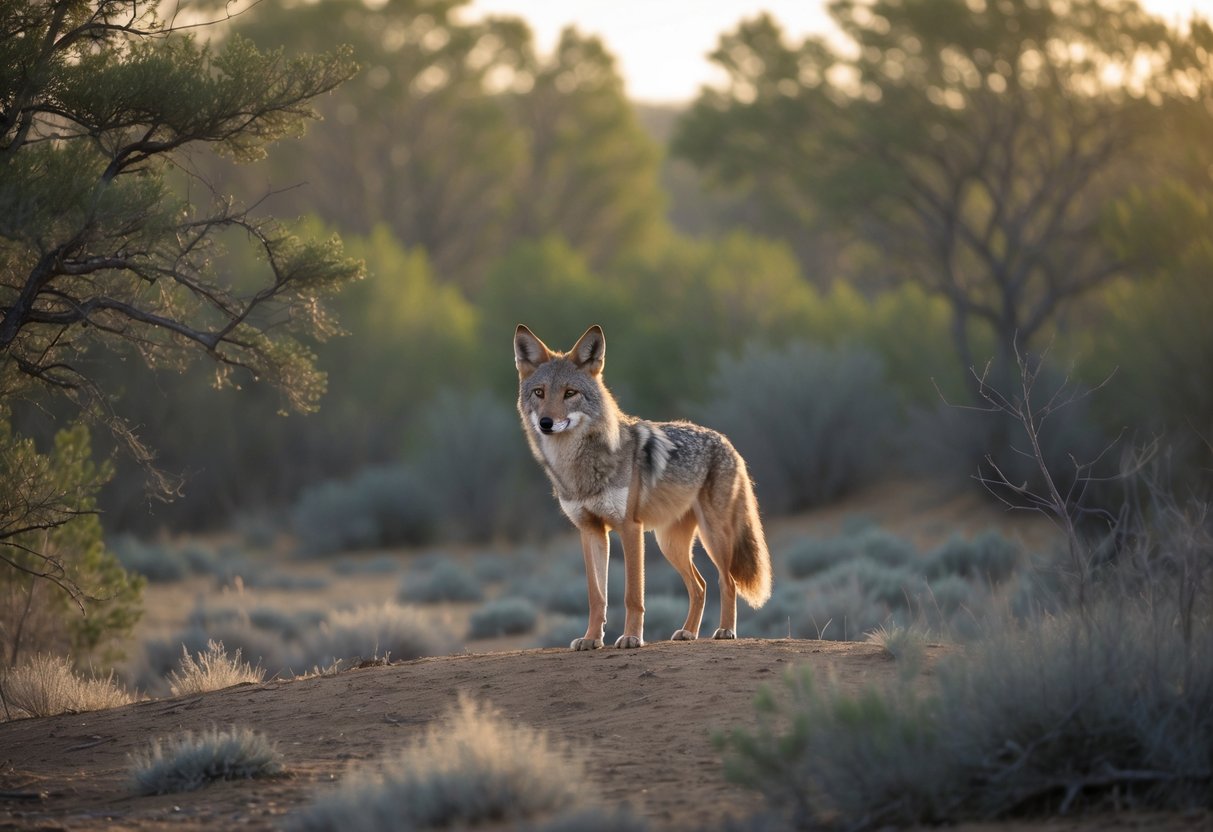
Sometimes, though, coyotes get bold. Usually, that happens when they start connecting humans with food—maybe trash or a bowl of pet food left outside. They can lose their natural fear and start acting out.
If you’re curious why these attacks happen or how often, well, let’s get into it.
Frequency and Nature of Coyote Encounters With Humans
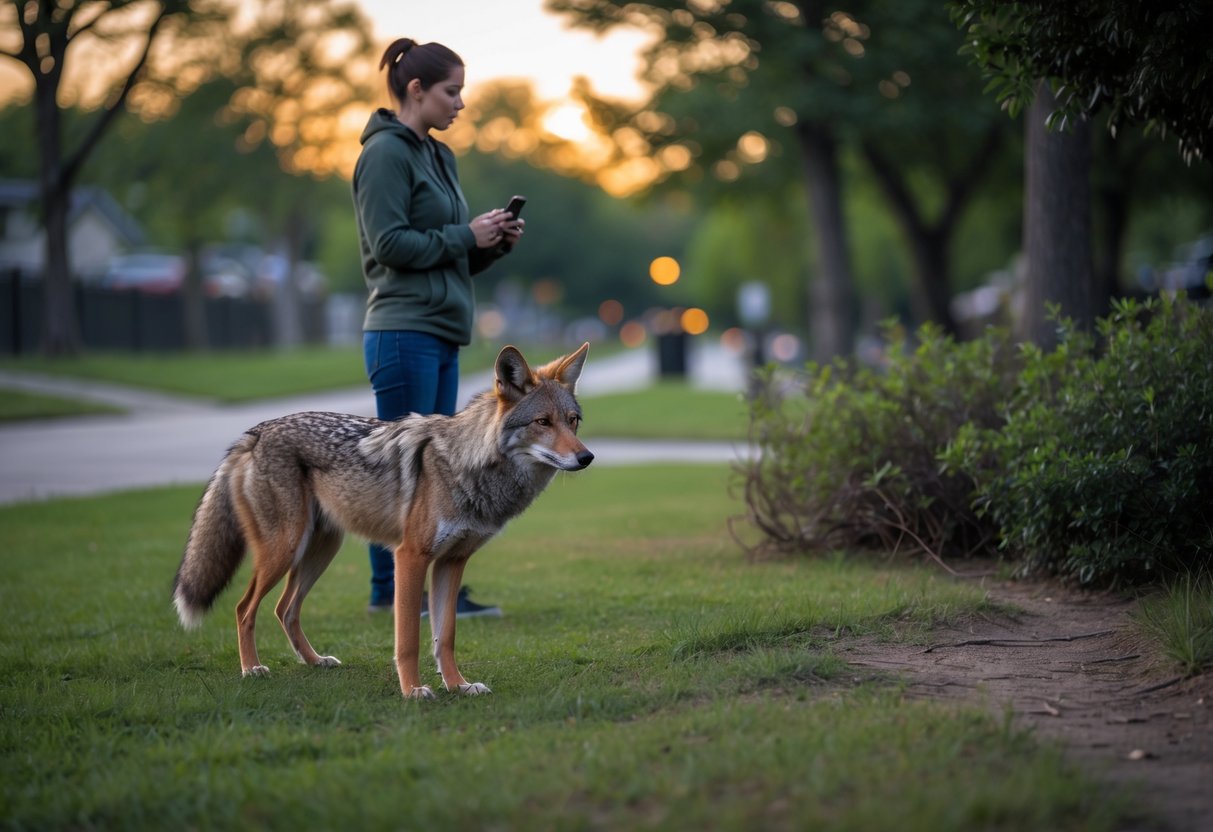
Coyotes have made themselves at home all over North America, both in cities and out in the countryside. Most of the time, they steer clear of people, but every now and then you might spot one in your neighborhood or a park.
How often do coyotes actually go after humans? That depends on things like where you live and whether the coyotes there feel safe around people.
How Often Coyotes Target Humans
You almost never hear about coyotes attacking humans. Most run-ins end without any drama.
Actual attacks on adults or kids are pretty uncommon, but they do happen now and then.
Researchers have looked at loads of coyote encounters, and only a tiny fraction involve attacks. It seems like attacks pop up more often where coyotes can easily get food from people.
If a coyote doesn’t see you as a threat, it’ll usually keep its distance.
It’s smart to stay alert and give coyotes their space, especially if you live somewhere they’re common.
Documented Attacks and Statistics
Over the last few decades, people have reported about 140 coyote attacks in the US and Canada. Around 160 folks got hurt in those incidents.
Most attacks fall into two buckets: predatory (where the coyote sees a person as prey) and investigative (where they’re just curious, testing things out).
Predatory attacks tend to involve kids more often. Most of these situations happen when coyotes lose their fear of humans—usually because they’ve found easy food.
If you want more details, check out coyote attacks on humans.
Why Coyotes Avoid People
Coyotes generally steer clear of us because, well, we’re big and unpredictable. That fear keeps them safe.
They’re usually shy and prefer to be out at night or early morning, which means most encounters are just a glimpse or a distant howl.
Coyotes don’t usually chase or attack unless they feel trapped or scared. You can help keep coyotes cautious by not feeding them or leaving food outside.
If coyotes can’t find food near people, they stay wild and wary.
Factors Increasing Coyote Aggression
Certain things can make coyotes act bolder around people. One big factor is easy access to food—like garbage, pet food, or even handouts.
Once coyotes get comfortable around humans, they might start showing up during the day or acting less afraid.
Urban spots with lots of shelter and food make daytime coyote activity more likely.
Coyotes might also lash out if they’re protecting pups or feel threatened by pets.
You can lower your risk by locking up trash, feeding pets indoors, and keeping small animals inside.
For more tips, take a look at how to keep your family safe around coyotes.
What Attracts Coyotes to Human Spaces
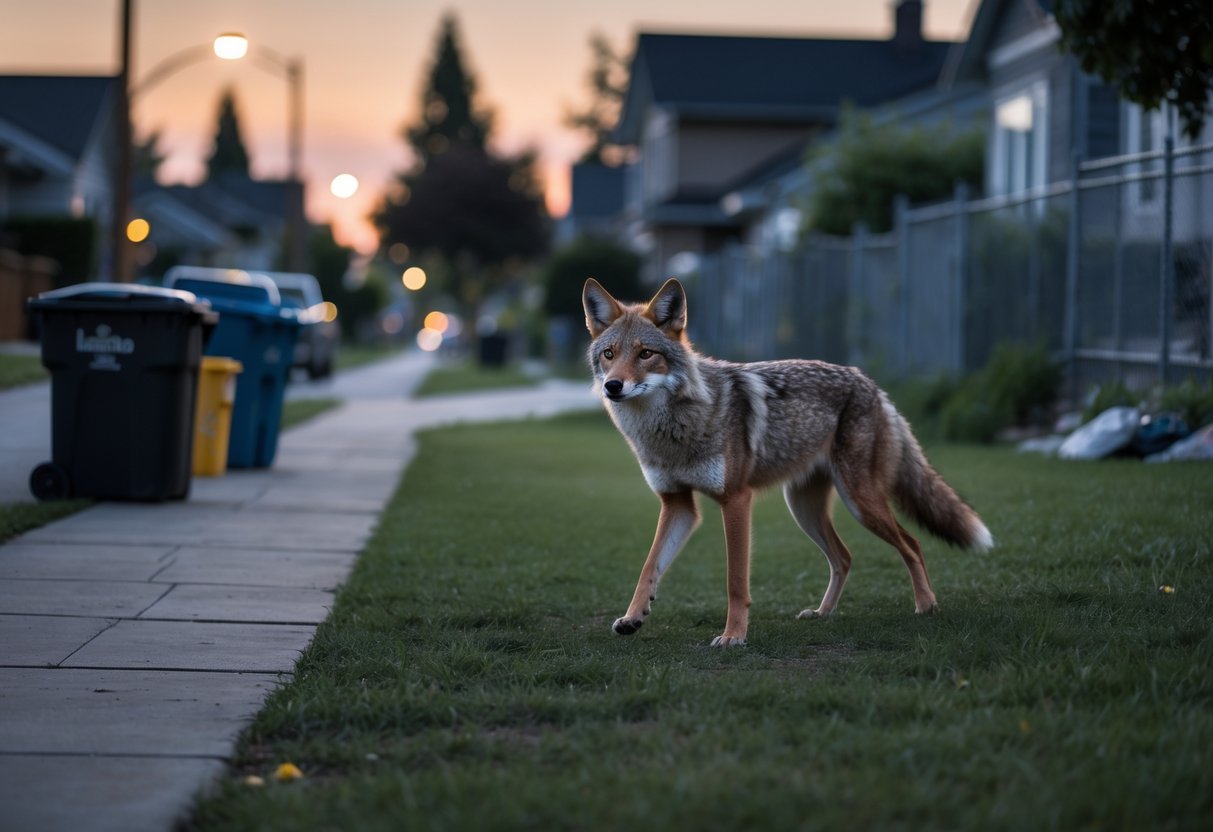
Coyotes hang around homes mostly because there’s food, shelter, and easy pickings like small animals. If you know what draws them in, you can do more to protect your yard and your pets.
Typical Coyote Diet Near People
Coyotes usually hunt small animals—mice, voles, rabbits, rats, and other little critters. These prey animals are everywhere in neighborhoods. Sometimes you’ll spot coyote scat that shows exactly what they’ve been eating.
In some areas, coyotes will also go after deer or scavenge leftovers. When natural prey gets scarce, they start relying more on food people leave behind.
This flexibility lets them survive near busy neighborhoods, even though they don’t really want to hang out with us. They’re smart and know how to adapt.
Role of Pet Food and Feeding Coyotes
Leaving pet food outside? That’s a coyote magnet. Food bowls or scraps left out can bring coyotes right up to your door and make them less afraid of people.
Sometimes folks feed coyotes on purpose, or just forget about trash, compost, or birdseed. That teaches coyotes to link humans with food, which can lead to more daytime visits and bolder behavior.
If you want fewer coyote visits, keep pet food inside and lock up your garbage. Never feed coyotes or try to make friends with them—trust me, that usually backfires and can make them act more aggressive.
Urban Coyotes Versus Rural Coyotes
Urban coyotes just don’t seem as afraid of people. Food and shelter pop up everywhere in cities, so they wander through neighborhoods and sometimes show up in the middle of the day.
They might not even bother to run off if you spot them.
Rural coyotes act differently. They tend to steer clear of humans.
These coyotes live farther out and go after natural prey like small rodents or deer.
Urban coyotes usually snack on pet food or dig through garbage. Rural coyotes, on the other hand, stick to hunting.
You can often spot the difference by how close a coyote gets or if you see one during daylight hours.
Both types adjust their behavior depending on where they live. Still, neither wants a dangerous run-in with people if they can help it.
For more on coyote behavior, check out coyote behavior and safety. There’s also info about how feeding coyotes changes things at Citizens for Los Angeles Wildlife.


