
If a coyote starts chasing you, it’s scary—no doubt about it. Still, what you do next really matters.
The key is to stay calm. Don’t run. Make yourself look as big and loud as you can. This lets the coyote know you’re not prey, and it usually makes them back off.
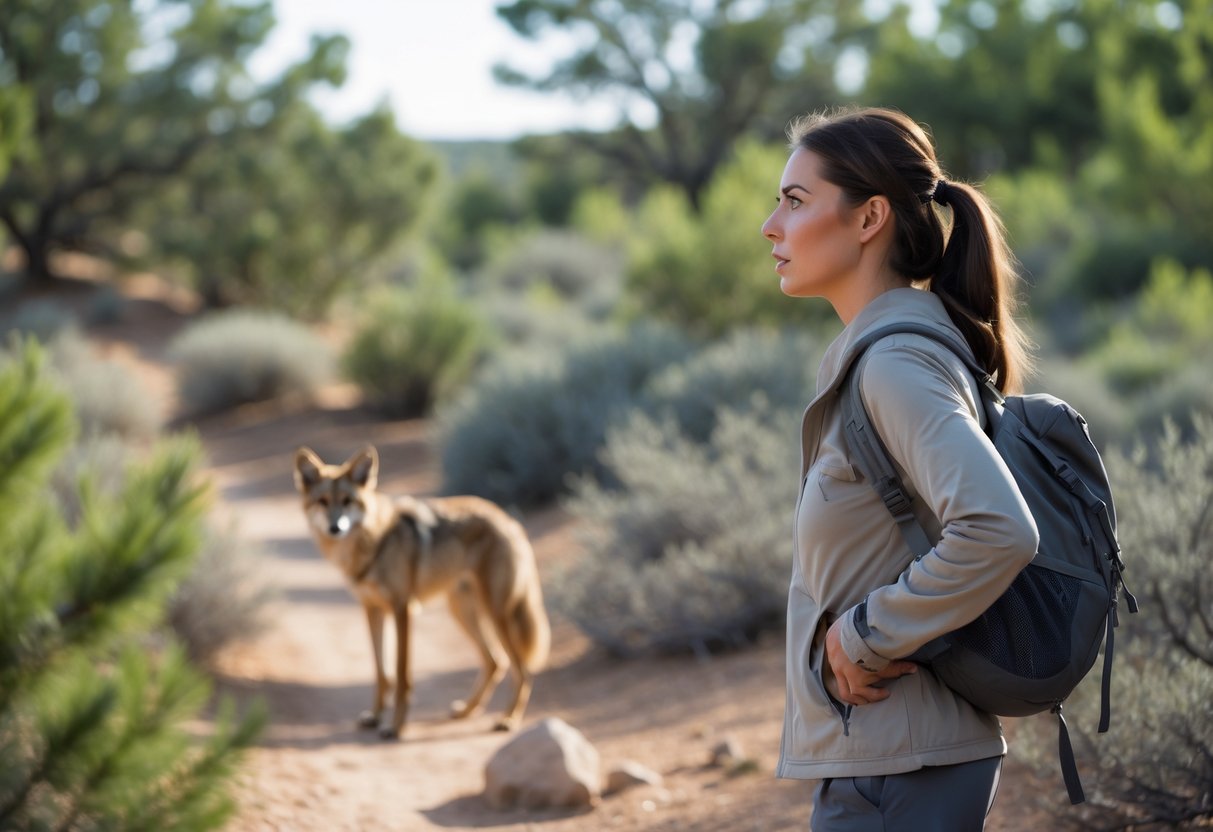
Face the coyote and keep eye contact. Back away slowly, but don’t turn your back.
Use your voice, wave your arms, or grab something to make noise. These things can help scare it off.
If you know what to do ahead of time, you’ll feel safer and more confident if you ever run into a coyote.
Let’s get into the steps you’ll want to know for staying safe and protecting yourself if a coyote chases you.
For more details, check out advice on what to do if a coyote starts chasing you.
Immediate Actions When a Coyote Chases You

When a coyote comes after you, your reaction really counts. Stay calm, look bigger, make loud noises, and move away with care.
That way, you show the coyote you’re not easy prey.
Stay Calm and Avoid Running
Don’t run if a coyote chases you. Running just flips their hunting switch and makes you look like a target.
Try to breathe slowly and deeply to steady your nerves.
Face the coyote straight on and keep your body steady. Don’t turn your back or bolt.
Your calm attitude shows the coyote you’re not weak.
Even if your heart’s pounding, do your best to stand tall. Coyotes often avoid trouble if they think you’ll put up a fight.
Staying calm also helps you think straight and act safely.
Make Yourself Look Bigger
Looking bigger can freak out a coyote. Raise your arms over your head or open your jacket wide if you have one.
If you’re carrying a backpack, lift it up or hold it out to the side. It makes you look larger.
Coyotes don’t want to mess with something that seems tougher than they are.
You want to look intimidating, but not like you’re picking a fight. That sends a clear signal you’re not easy to attack.
Usually, these moves make the coyote rethink chasing you.
Use Noise and Deterrents
Loud sounds can spook coyotes. Shout with confidence—say things like “Go away!” or “Back off!”
If you’ve got an air horn, whistle, or anything noisy, use it right away.
Bang sticks together or toss small rocks near the coyote (not at it). That surprise can make them hesitate.
Making noise shows coyotes that people aren’t easy targets. It can also keep them wary in the future.
Back Away Slowly and Safely
After you’ve made yourself big and noisy, start backing away slowly. Keep facing the coyote, but don’t stare it down.
Backing up gives the coyote room to lose interest without feeling trapped.
Never turn your back or run, or you might start the chase again.
Move one step at a time, and keep your voice steady if you need to. This careful retreat lets you get away safely.
For more on handling these situations, check out tips for preventing coyote problems.
How to Prevent Coyote Encounters and Protect Your Pets

A few smart steps around your home and when you’re out can cut down on coyote run-ins.
You can keep your pets safe by controlling where they go and what attracts coyotes.
How you set up your yard matters, too. Sometimes you’ll need help from animal control.
Keep Pets Leashed and Supervised
Always leash your pets outside, especially in areas where coyotes show up. Small dogs are at higher risk, so don’t let them wander or run ahead.
Supervise pets in the yard, even if it’s fenced. Coyotes can find their way in or wait nearby.
If you hear about coyotes in the area, bring pets inside—especially at dawn and dusk, when coyotes are most active.
Teach your pet to come when called. Practice commands like “come” or “leave it” so your pet listens, even if they’re spooked.
Remove Food Attractants and Avoid Feeding Coyotes
Coyotes love easy meals. Don’t leave pet food outside at night.
Pick up fallen fruit and clean up under bird feeders to avoid attracting wildlife.
Never feed coyotes or leave out scraps. Feeding them just teaches them to come closer and lose their fear of people.
Take away feeding stations in yards or parks to keep coyotes away.
Lock down garbage bins with tight lids or locks. Keep compost piles covered or far from your home.
Getting rid of these attractants makes your place less appealing to coyotes.
Secure Your Yard with Deterrents
Motion-activated lights or sound machines can startle coyotes and keep them at a distance.
These gadgets turn on when something moves, which can surprise coyotes and send them running.
Build a tall, sturdy fence (at least 6 feet) if you can. Add a wire extension that angles outward at the top to stop coyotes from climbing over.
Check your fence often for holes or gaps, especially near gates or underneath. Coyotes can squeeze through tight spots or dig under fences to reach your pets.
When to Contact Animal Control
If you spot coyotes acting aggressively or hanging around homes too often, go ahead and get in touch with your local animal control or wildlife agency. They know your area and can give advice that actually makes sense for your neighborhood.
Let them know about any close calls or if a coyote attacks a pet. Animal control keeps track of these reports, and sometimes they’ll warn the community or even organize efforts to keep things safer.
In suburban parts of North America, teaming up with animal control can really help people and wildlife live alongside each other without so much trouble. If coyotes are causing problems near your home, don’t wait—just reach out for help.


