
Deer don’t all live the same number of years—it really depends on where they end up and what sort of dangers they run into. Most wild deer only make it to about four to six years old, but if you keep a deer in captivity, it might stick around for a decade or even longer. There’s your quick answer before we get into the weeds.
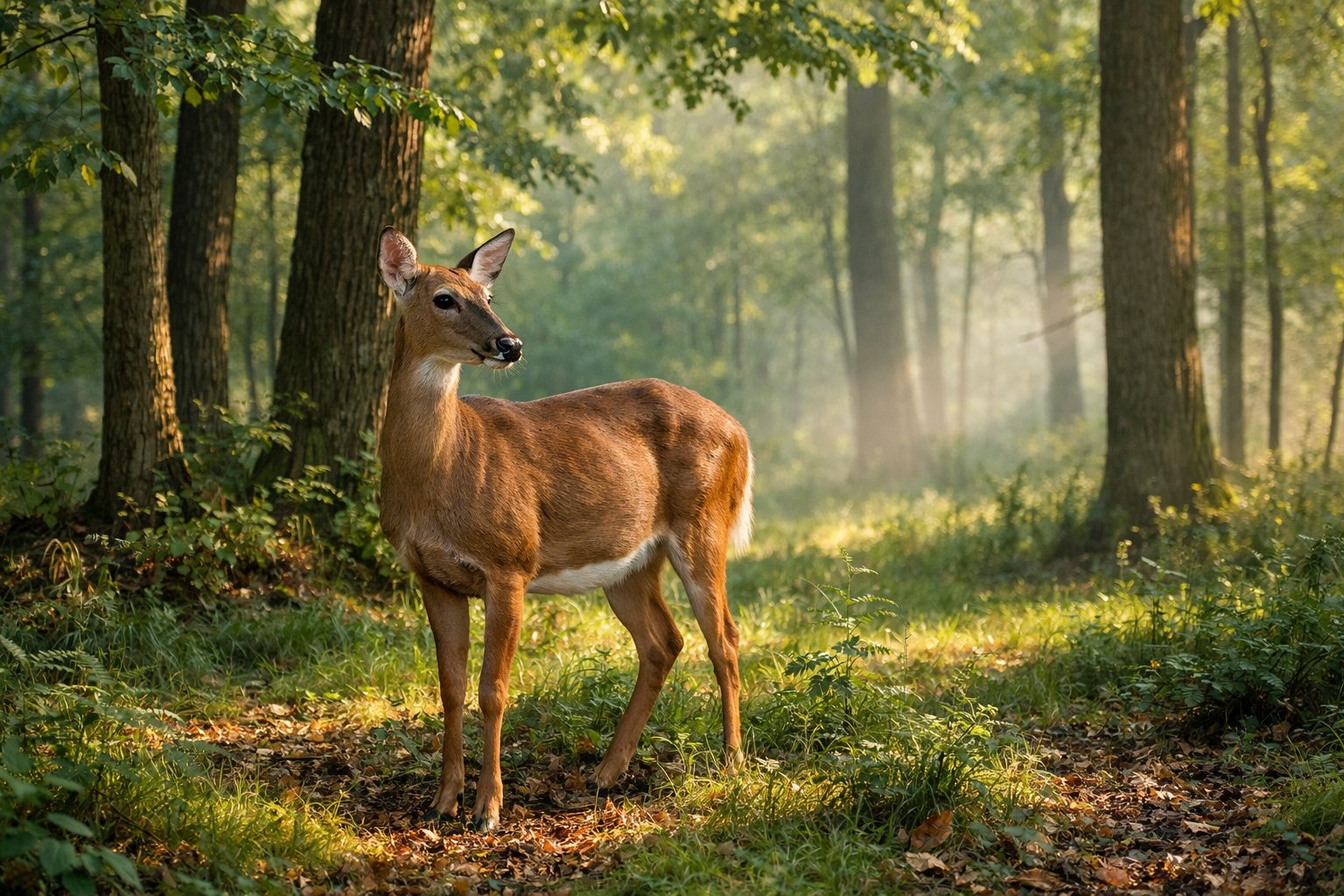
Why do wild deer usually die younger? And why does captivity boost their lifespan? I’ll break down those reasons, plus share how predators, disease, hunting, and food all play a part.
Average Deer Lifespan: Wild vs. Captivity
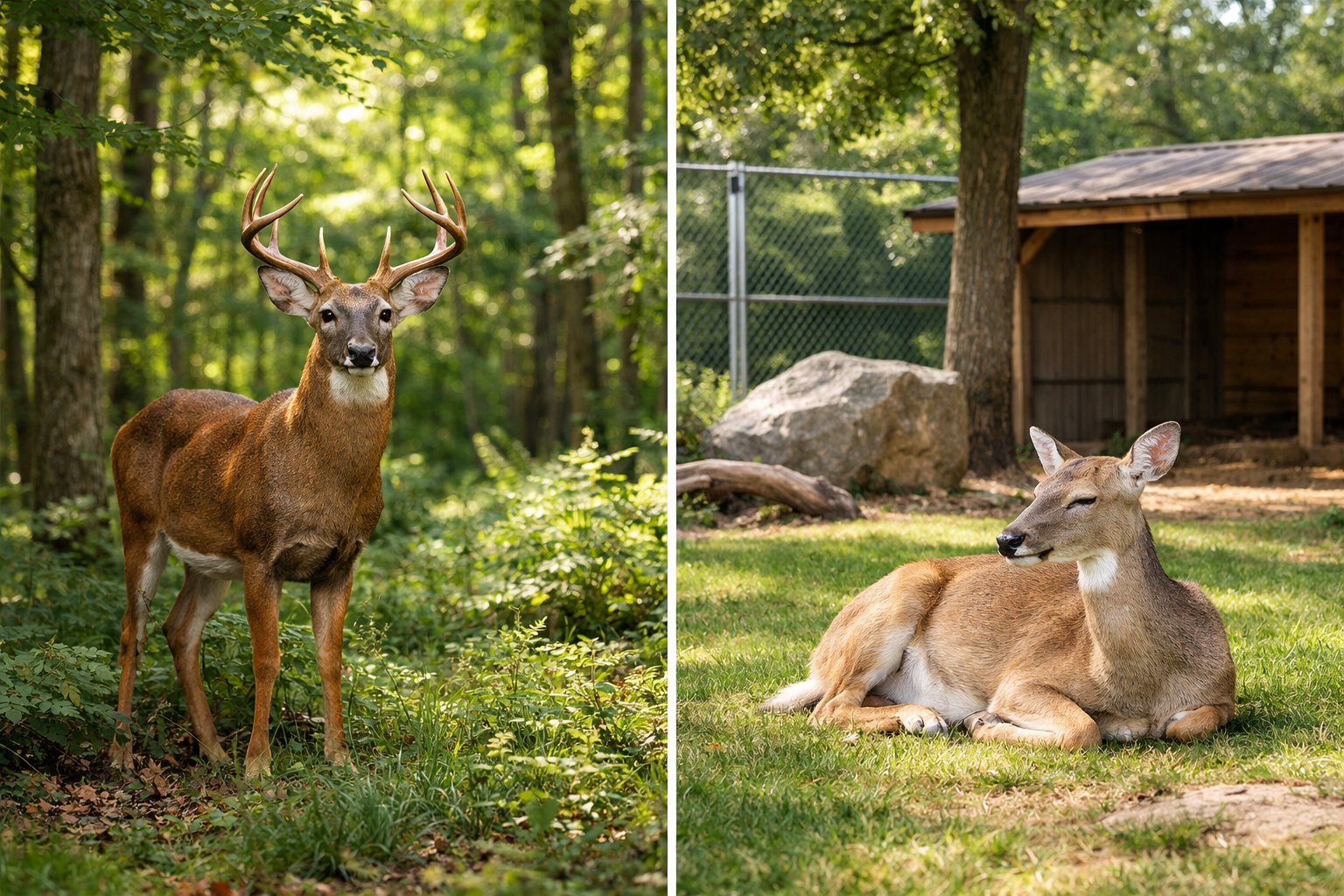
Where deer live and how people treat them make a big difference in how long they survive. Wild deer don’t last as long as those in captivity, and you’ll see a lot of variety between different species.
How Long Do Deer Live in the Wild?
Wild deer usually get about 3 to 6 years, but it depends on the species and location. In places with heavy hunting or lots of predators, white-tailed and mule deer often don’t make it past age 4.
Does have a better shot at surviving longer than bucks. Bucks take more risks during the rut and hunters target them more.
Disease, car accidents, and tough winters cut lives short all the time. Fawns, especially, have it rough—coyotes and mountain lions pick off a lot of them. If you’re near busy roads or small towns, you’ll probably see more deer-vehicle accidents, which drags down the local average.
Deer Lifespan in Captivity
Deer in captivity just live longer, plain and simple. Captive white-tailed deer sometimes reach their teens or even early twenties, thanks to regular meals, vet care, and no predators breathing down their necks.
Most captive deer live somewhere between 6 and 14 years, depending on the species and how well they’re cared for. Of course, captivity isn’t perfect—stress from enclosures or disease outbreaks can still happen if management slips up.
But overall, reliable food and medical care give captive deer a much better shot at a long life.
Oldest Deer on Record
The oldest deer we know about lived to 31—a Scottish red deer doe raised in captivity. That’s way beyond what you’ll ever see in the wild.
The oldest wild deer confirmed reached about 18 or 19 years, but that’s pretty rare. Does tend to win the longevity prize since they dodge some of the risks bucks face.
When you hear about record-breaking ages, those deer almost always lived with people or in protected areas where life was a lot safer.
Lifespan by Deer Species
White-tailed deer in the wild usually average around 4.5 years. Bucks often only make it to about 2.9 years, while does can reach 6.5 years if things go well.
Mule deer show similar averages, though region and hunting pressure can shift those numbers. Elk, which are bigger, often live into their teens if they’re protected.
Smaller species like roe deer average about 5–8 years in the wild, but some can get much older in captivity. Species, body size, local predators, and how people treat them all play a role.
If you’re comparing deer species, look at local hunting laws, predator numbers, and how good the habitat is—that’s where the differences really come from.
Factors Affecting Deer Lifespan
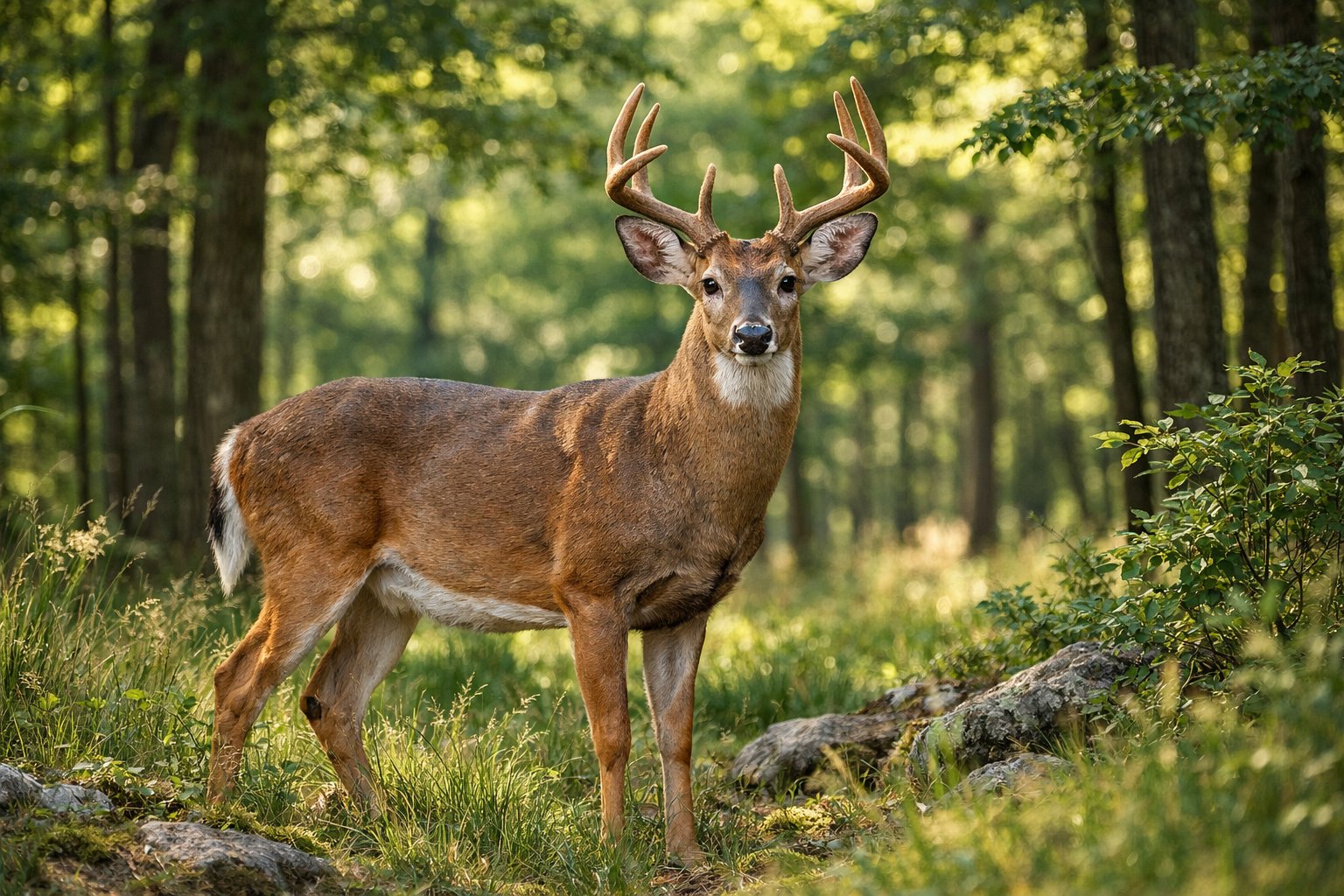
A handful of pressures really determine how long deer make it. Predators and accidents claim a lot of lives, diseases can sweep through herds, and food and habitat quality affect health in the long run.
People also change the game—hunting, roads, and land use all impact deer survival.
Predation and Natural Threats
Predators go after plenty of fawns and sometimes adults. Mountain lions, wolves, and bears target young or injured deer.
Coyotes and bobcats grab fawns in spring and summer. Even hawks or eagles might swoop in for the smallest or weakest fawns.
Adult deer usually escape, but a mature buck can still die in a rut fight or from injuries. When predator numbers are high, more fawns die and herds don’t grow as fast.
Predation risk changes how deer act. You might notice deer avoiding open fields or feeding mostly at dusk and night to stay out of trouble.
Impact of Disease on Deer Survival
Disease can wipe out deer fast. Chronic wasting disease (CWD) spreads through fluids and causes weight loss, poor coordination, and eventually death.
Epizootic hemorrhagic disease (EHD) brings fever and bleeding, and outbreaks can kill a lot of deer in one season. Both hit fawns and adults and can lower how many deer are born the next year.
Disease risk jumps when deer crowd together—like in winter yards or at feeding spots. Wildlife managers test herds and remove sick animals to slow things down.
Long-term, keeping wild and captive deer separate and monitoring herds helps keep disease in check.
Environmental Stresses and Food Availability
Food and weather really set the tone for survival each year. Harsh winters with deep snow force deer to burn fat and search harder for food, which means more adults and fawns die.
Drought stunts plant growth and cuts down on good forage, leaving does weaker and fawns smaller. If deer lose habitat or their range gets chopped up, they have fewer safe places to eat and less nutrition in the summer.
You might see deer traveling farther or facing more danger in areas with little understory or fenced fields. Good habitat with shrubs, mast trees, and edge cover gives deer a real shot at surviving and dodging predators.
Human Influences on Deer Mortality
People shape deer survival at every stage of life. Every hunting season, hunters take out plenty of mature bucks and a number of does too.
Hunting doesn’t just lower local deer numbers—it messes with their age structure and how they act. You’ll see a spike in deer-vehicle crashes on roads, especially around dawn and dusk, since that’s when deer seem to love wandering out.
When folks feed or bait deer, it packs the animals together and spreads disease faster. Suburban sprawl chops up their habitat, so deer end up in yards and crossing busy streets, which just leads to more accidents and run-ins.
Deer management plans, regulated hunting, and those road-crossing signs? They can help cut down on these problems and give deer a better shot at surviving.


