
When learning about Arctic foxes, one interesting aspect is their pregnancy. The gestation period for Arctic foxes typically lasts about 52 days. During this time, the female fox focuses on preparing for the arrival of her kits.
This crucial period helps ensure that the young are born healthy and ready to thrive in their cold habitat.
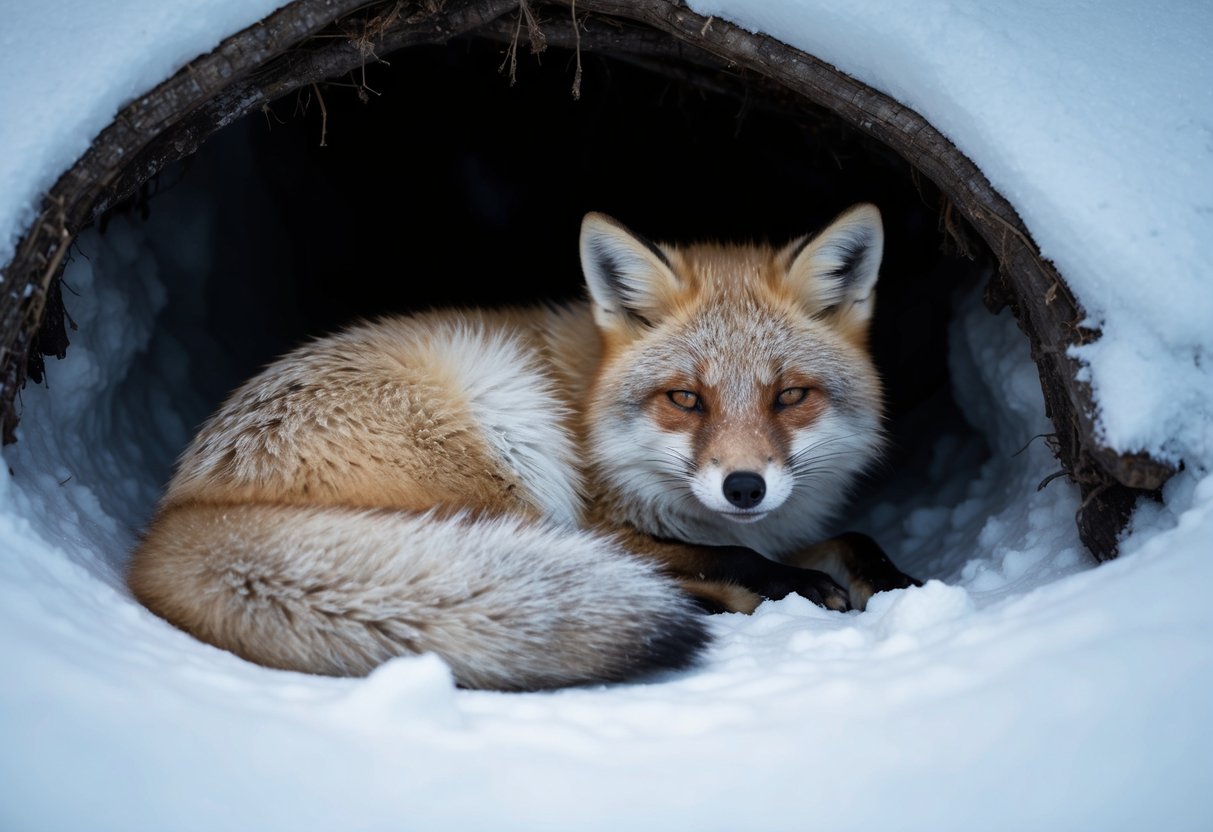
As an Arctic fox parent, both the mother and father take part in caring for the young. After birth, the kits are born blind and depend on their parents for food and warmth.
The survival of these kits is vital for the Arctic fox population, as their numbers can fluctuate based on environmental conditions and food availability.
Understanding the life cycle of Arctic foxes, especially their gestation period, gives you a deeper appreciation for these resilient animals. Their ability to adapt and nurture their young plays a key role in maintaining their population in the harsh Arctic environment.
Understanding the Reproduction Cycle of the Arctic Fox
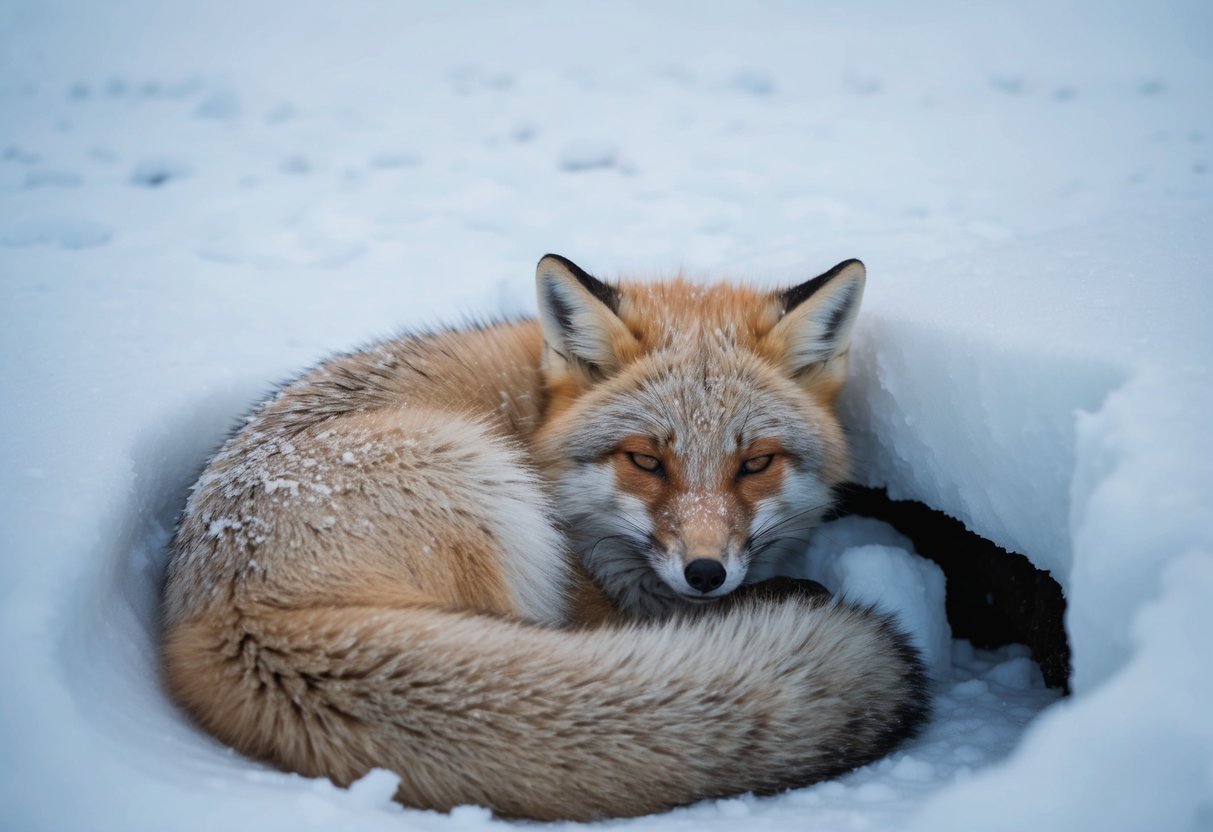
The reproduction cycle of the Arctic fox is fascinating and essential for their survival in harsh environments. This includes specific details about mating, the breeding season, gestation, and their remarkable litter sizes.
Mating and Fertilization
During the mating season, which usually occurs between late winter and early spring, Arctic foxes mate for life. They have a strong bond and often engage in elaborate courtship behaviors.
Mating involves the male and female foxes communicating through various vocalizations and physical displays.
Once mating occurs, fertilization takes place. The male fox transfers sperm to the female, and she can retain it until her body is ready for pregnancy.
This ability to control fertilization helps ensure that the young are born when conditions are more favorable for survival.
Breeding Season Specifics
The breeding season is crucial for Arctic foxes. It runs from February to April, depending on the region. During this time, females seek out suitable dens for giving birth.
These dens are often dug into the snow or soil, providing protection from predators and harsh weather.
The timing of breeding and birthing aligns with the availability of food sources, such as lemmings. This ensures that when the young are born, there is enough food to support both the mother and her pups.
The female exhibits nurturing behaviors, taking care of the young while the male helps gather food.
Gestation Period and Litter Size
The gestation period for Arctic foxes lasts about 52 days. This short pregnancy enables the mother to have pups in the spring, when resources are more abundant.
Litter sizes can vary, but Arctic foxes typically have between 5 to 8 pups. In some cases, larger litters of up to 19 pups have been reported, especially during years of high prey availability.
Once born, the pups rely heavily on their mother for food and care until they are mature enough to venture out on their own, usually around 10 weeks of age.
Arctic Fox Pregnancy and Birth
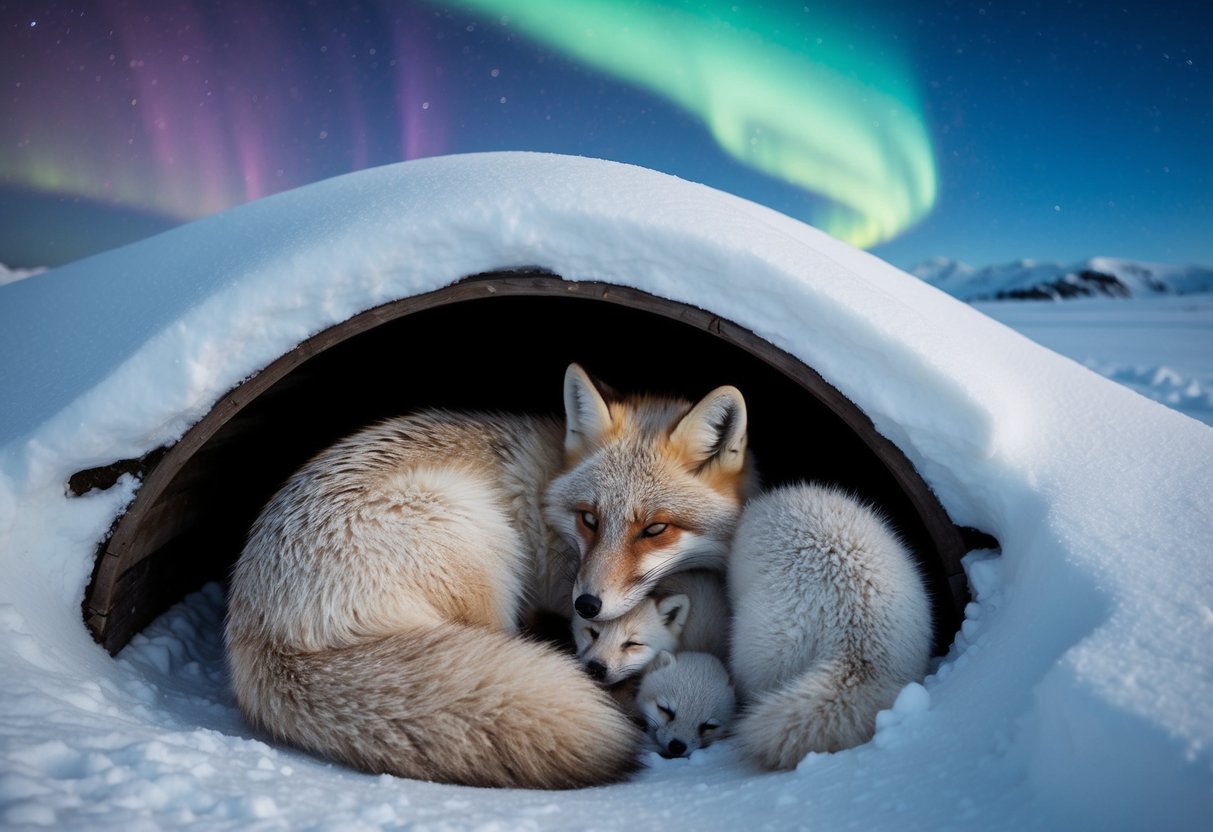
Arctic foxes have a unique process for pregnancy and giving birth. Knowing how they develop in the uterus and how they create and use dens can help you understand their life cycle better.
Development in the Uterus
When an Arctic fox becomes pregnant, the gestation period lasts about 52 days. During this time, the embryos develop in the mother’s uterus. The typical litter size is between 5 and 10 kits, though some litters can have more.
As the pregnancy progresses, the mother does not hunt for food, so the father fox takes on this responsibility. He brings food to her to ensure she stays healthy and strong.
This teamwork helps both the mother and the kits thrive once they are born.
The developing kits are protected and nourished inside the mother until it is time to be born. Once the gestation period is over, the kits are ready to make their entrance into the world.
Creating and Using Dens
Arctic foxes prepare for birth by digging a den. This den is essential for protecting their young from predators and harsh weather. Dens can be simple burrows or more complex tunnels with multiple chambers.
Once the kits are born, they stay in the den for the first few weeks of life. The mother keeps them safe while they nurse.
After about 4 weeks, the kits begin to explore outside the den, gradually getting used to their surroundings.
Dens are not only a safe place for the young, but they also serve as a shelter for the family unit. The father continues to help by bringing food to the den, making sure everyone stays well-fed.
Post-Birth: Kits’ Growth and Weaning
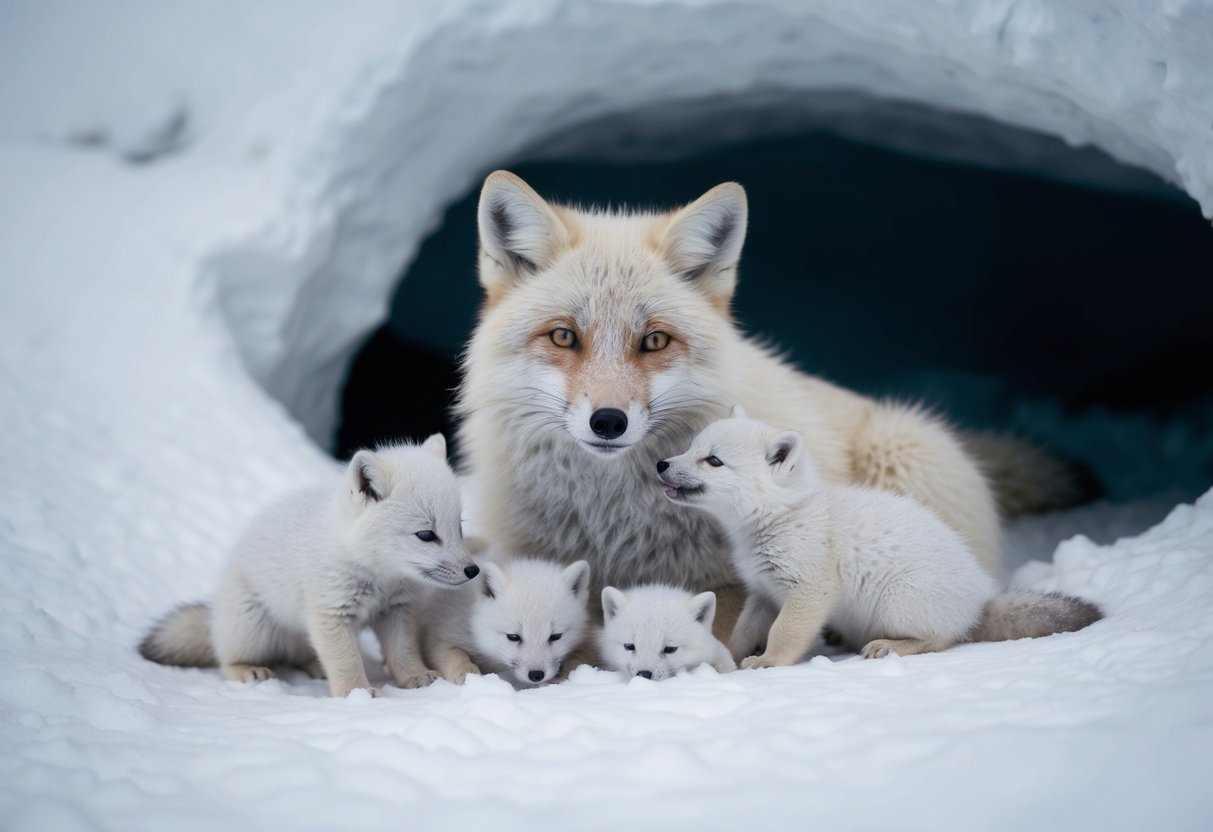
After birth, Arctic fox kits go through important stages of growth and development. Their early life and the weaning process are crucial for their survival and independence.
Early Life Stage
In the first few weeks, baby foxes are very vulnerable. They rely entirely on their mother’s milk for nutrition.
During this early life stage, kits are born blind and deaf, weighing about 70 to 120 grams.
As they grow, they gradually begin to explore their surroundings while still depending on their mother. You may notice that the mother stays close by, ensuring her kits are safe.
The kits start to develop their senses, and by three weeks, their eyes begin to open.
Key Milestones:
- Weeks 1-2: Rely on mother’s milk.
- Week 3: Eyes open, beginning to explore.
- Weeks 4-5: Start to play with siblings and learn.
Weaning and Initial Learning
Weaning usually happens between four and five weeks after birth. Kits begin to eat solid food made up of small mammals like lemmings. They watch and learn from their mother, gaining skills essential for survival.
This process is gradual. During this time, kits must learn how to hunt and interact with their environment. Mothers bring food back to the den, allowing the kits to practice eating. Their playful nature helps them develop hunting skills through games and interactions with each other.
Weaning Phases:
- 4 weeks: Introduction of solid food.
- 5 weeks: Begin eating less milk.
- By 8 weeks: Fully weaned and exploring further.
This period is crucial for developing the independence and skills they need as they grow.


