
If you’ve ever wondered whether Arctic foxes can indulge in chocolate, you’re not alone. Many people are curious about what these adorable creatures can and cannot eat. The direct answer is that Arctic foxes should never eat chocolate. This sweet treat contains a substance called theobromine, which is highly toxic to foxes and can lead to serious health issues.
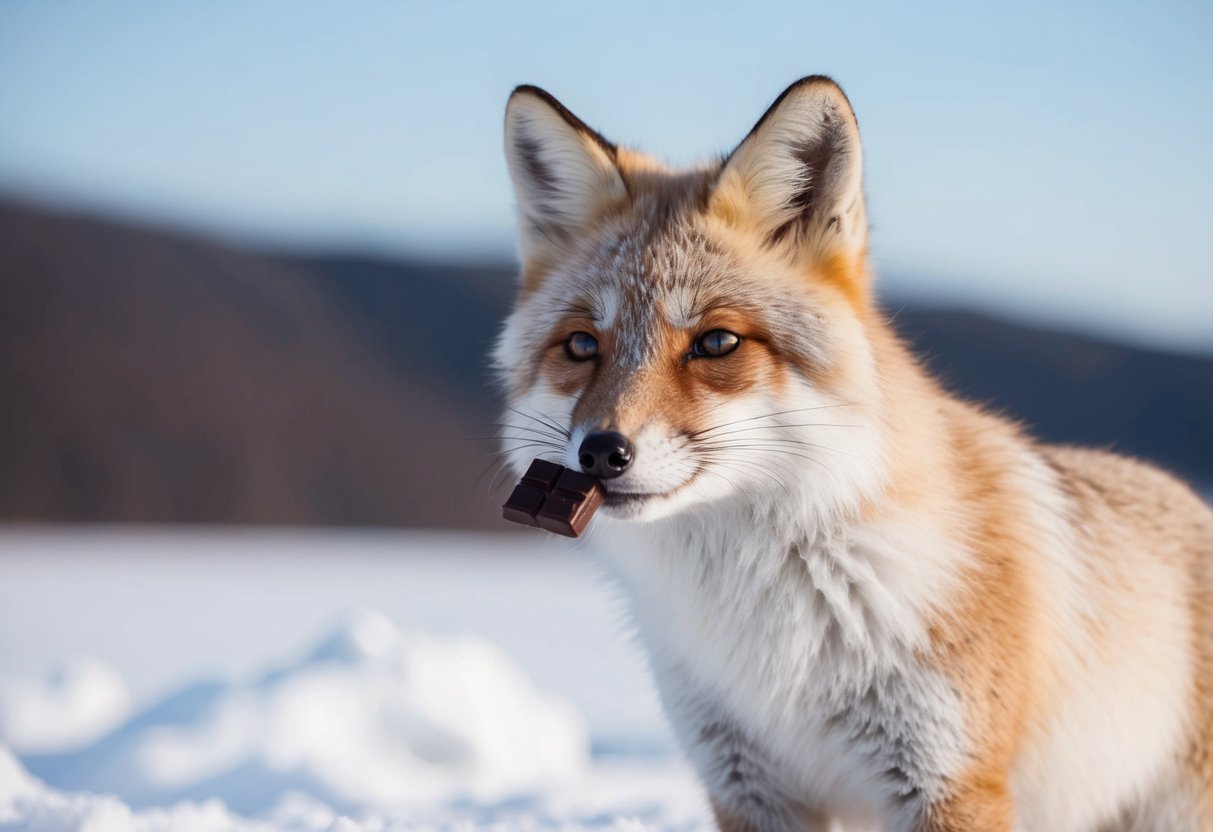
Understanding what Arctic foxes can safely consume is important for their well-being. These fascinating animals thrive mainly on small prey like lemmings and rodents, along with some vegetation.
Providing safe, suitable treats that align with their natural diet is essential, especially if you encounter one in the wild or are caring for a pet fox.
So, if you ever find yourself with leftover chocolate, remember to keep it far away from these playful animals. They are much better off with healthier snacks more suited to their needs!
Understanding Chocolate Toxicity in Animals

Chocolate can be harmful to many animals, including Arctic foxes. The key components in chocolate that lead to toxicity are theobromine and caffeine. These substances can cause serious health problems for animals that consume chocolate.
The Dangers of Theobromine and Caffeine
Theobromine is a chemical found in chocolate that affects the nervous system. Animals metabolize it much slower than humans. This slow process can lead to a dangerous buildup in their system.
Caffeine is another harmful component of chocolate. It can increase heart rate and cause hyperactivity in pets.
Symptoms of toxicity in animals may include:
- Restlessness
- Tremors
- Seizures
- Death in severe cases
Dark chocolate and baking chocolate contain higher levels of theobromine than milk chocolate or white chocolate, making them especially dangerous.
How Chocolate Affects the Health of Arctic Foxes
Arctic foxes are not designed to consume chocolate. Theobromine and caffeine can lead to severe health issues. Even small amounts can cause vomiting, diarrhea, or abnormal heart rhythms.
If you suspect an Arctic fox has ingested chocolate, act quickly. Symptoms typically manifest within a few hours. It’s crucial to take this seriously, as prompt veterinary care may be necessary.
To keep Arctic foxes safe, avoid giving them any type of chocolate. Instead, offer healthy treats that align with their natural diet, such as fruits or specialized fox food. Keeping chocolate away from them will protect their health and well-being.
The Dietary Habits of Arctic Foxes

Arctic foxes have a varied diet that reflects their adaptability in harsh environments. They are omnivores, meaning they eat both animals and plants. Understanding what they eat can help you appreciate their role in the ecosystem and the risks of feeding them domestic foods.
Natural Diet Components
The diet of Arctic foxes consists mainly of small mammals, particularly lemmings, which are a key food source. They can eat about 12 lemmings each day, depending on availability.
Besides lemmings, they also hunt voles, birds, and their eggs.
During the warmer months, foxes include berries, nuts, and insects in their diet. They are known to scavenge on carrion, or the remains of dead animals, which can provide essential nutrients.
Insects like caterpillars, earthworms, and even frogs may also be part of their meals. This diverse diet helps them thrive in the challenging Arctic environment.
Risks of Feeding Domestic Foods to Wildlife
Feeding Arctic foxes domestic foods can be harmful to their health. Human foods are often high in sugar and fats, which aren’t suitable for wild animals.
Consuming these foods can lead to severe health issues like obesity and malnutrition.
Wild animals, including foxes, should stick to their natural diet to remain healthy. It’s vital to avoid giving them things like chocolate, which is toxic to many animals. For the well-being of Arctic foxes, it’s best to leave their diet to nature, ensuring they can find what they need in the wild without dependence on human food.
Safe Alternatives to Chocolate for Foxes
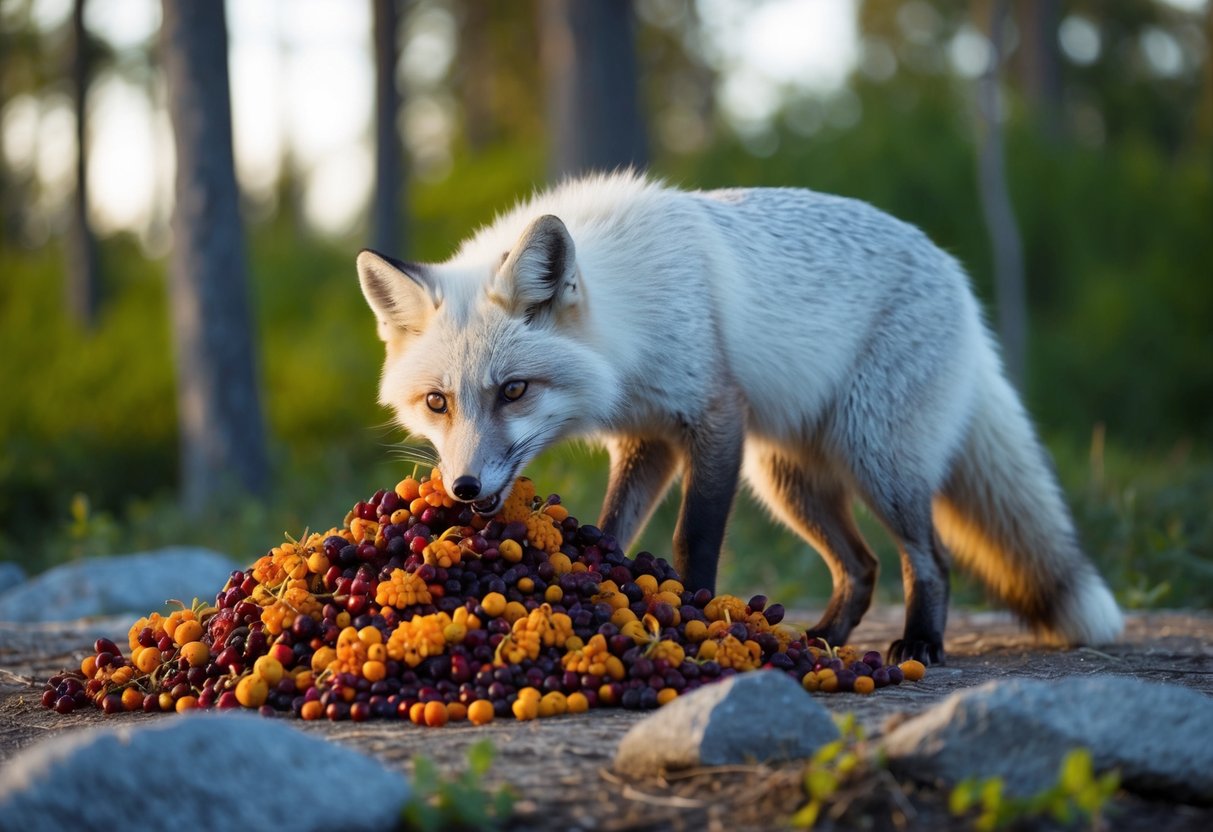
When it comes to treating foxes, there are plenty of safe and healthy options to consider. These alternatives can provide nutrition while keeping your fox safe from harmful substances.
Natural Treats and Their Benefits
You can offer a variety of natural treats that are both enjoyable and safe for your fox.
Fruits like apples and berries are excellent choices. They provide vitamins and minerals while being low in calories. Just remember to remove any seeds from apples, as they can be harmful.
Small mammals and insects also make great snacks. These protein sources mimic what foxes would find in the wild. You might consider offering mealworms or crickets for a fun and protein-rich treat.
Lastly, eggs are another nutritious option. They are rich in protein and can be given cooked or scrambled. These safe alternatives help keep your fox healthy and happy.
Case Studies and Incidents of Chocolate Ingestion
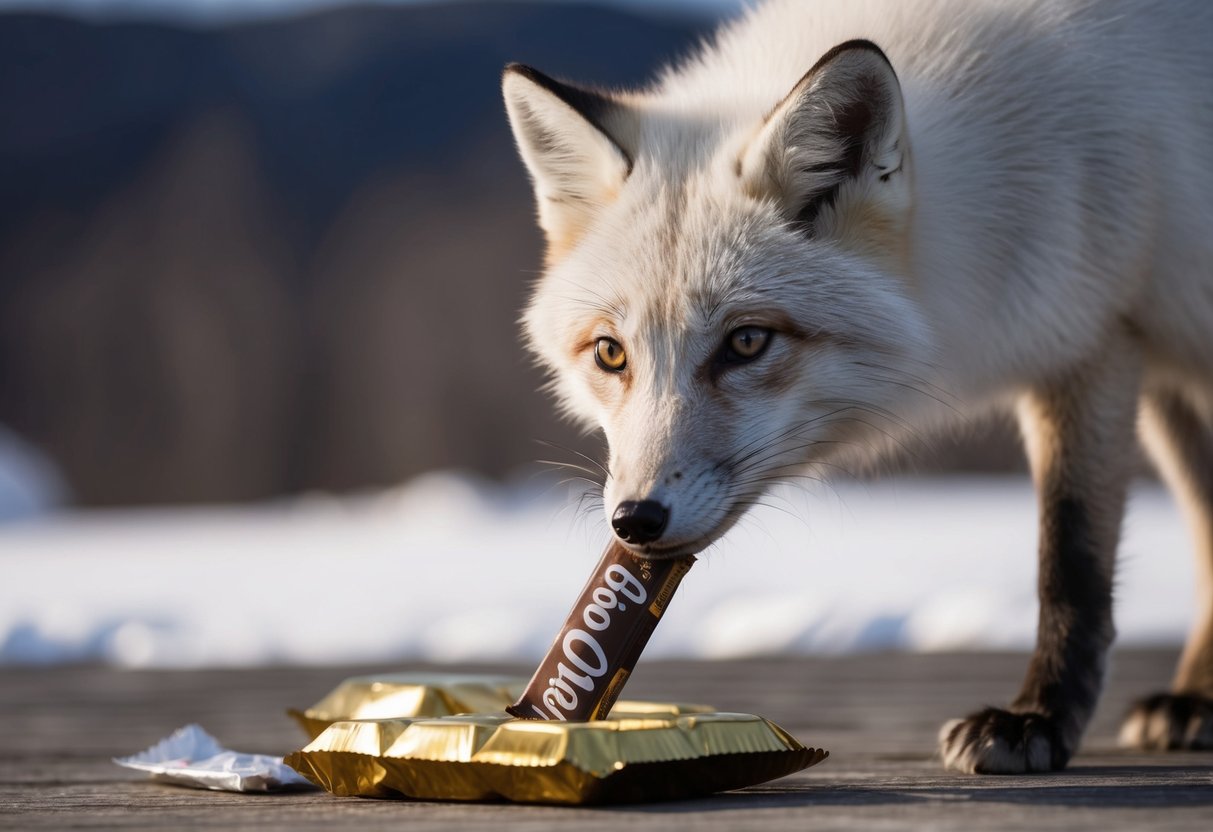
When it comes to chocolate ingestion in Arctic foxes, the consequences can be serious. Understanding recovery processes and preventive measures is key for pet fox owners. Here’s what you need to know.
Recovery and Veterinary Care for Arctic Foxes
If an Arctic fox ingests chocolate, quick action is crucial. Symptoms of chocolate toxicity can include agitation, rapid heart rate, and even seizures.
You should take your fox to the vet immediately. The veterinary team may induce vomiting if the ingestion was recent.
Activated charcoal might also be administered to limit further absorption of toxins like theobromine.
Treatment may include intravenous fluids to keep your fox hydrated. Close monitoring is essential. In some severe cases, hospitalization might be necessary.
You can help by providing the vet with details of the chocolate type and how much was ingested.
Early detection and professional care can significantly improve recovery chances.
Preventive Measures for Pet Fox Owners
Prevention is always better than cure. Ensure that you always keep chocolate out of reach from your pet fox. Familiarize yourself with the dangers of chocolate toxicity. Even small amounts can lead to serious health issues.
Consider informing family and friends about the risks to avoid accidental feeding. You can create a designated space for your pet where no chocolate is allowed.
Feeding your fox safe treats, like fruits or specially formulated fox food, protects their health. Regular check-ups with a veterinarian are wise, especially if you have baby foxes or kits. Knowing what to avoid is key in keeping your pet fox happy and healthy.


