
Have you ever wondered about the ancient ancestors of today’s Arctic fox? These fascinating creatures have a rich history that dates back millions of years. The oldest Arctic fox ever discovered is Vulpes qiuzhudingi, which lived in Tibet around 3 to 5 million years ago. This remarkable species is believed to be the closest relative to the modern Arctic fox, Vulpes lagopus, known for its adaptability in extreme cold.
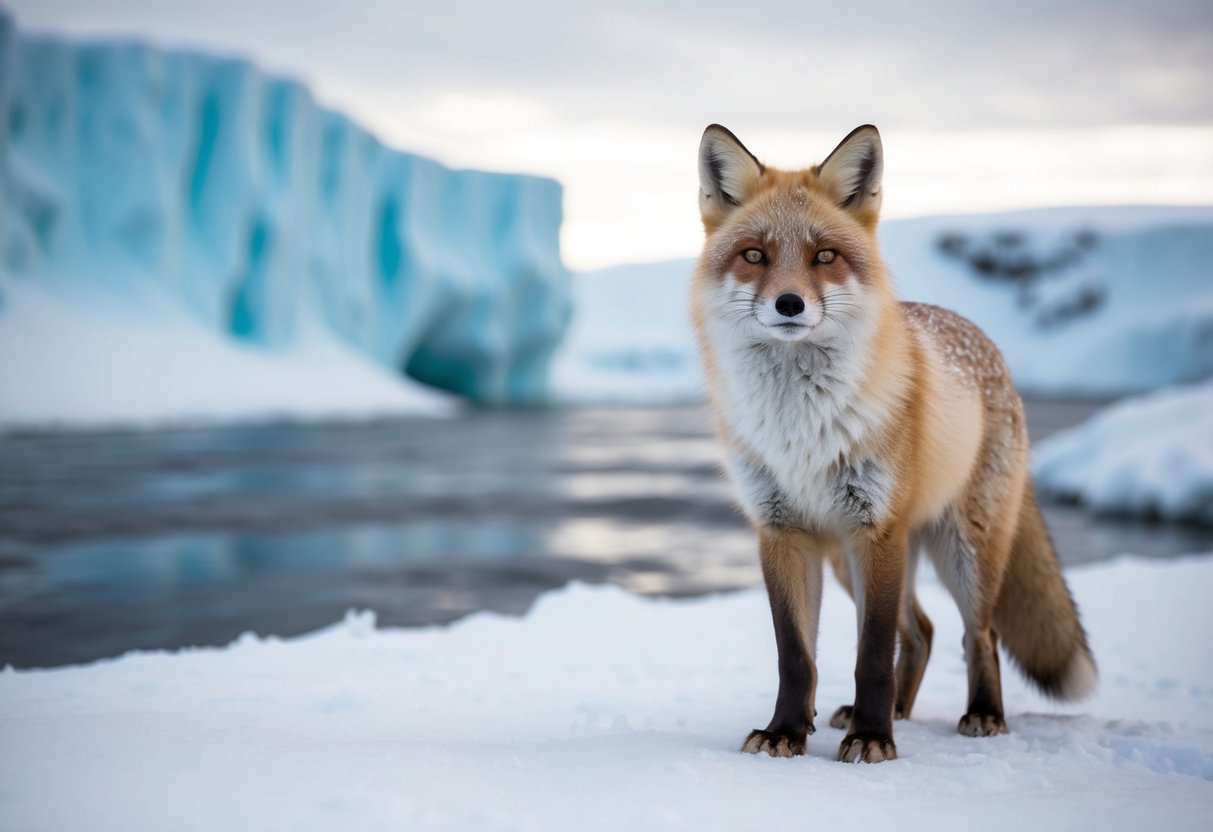
Understanding the evolution of the Arctic fox can give you insights into how these animals have survived harsh climates and changed over time. Fossils of Vulpes qiuzhudingi show features similar to present-day Arctic foxes, highlighting a long-standing connection between the past and the present.
By exploring the history of this ancient fox, you’ll discover how it shaped the lives of its descendants and their survival strategies.
Curiosity about animals often leads to a deeper appreciation of nature. As you learn more about the oldest Arctic fox and its evolution, you may find yourself wanting to explore other aspects of Arctic wildlife and their adaptations.
Dive into the fascinating journey of the Arctic fox and uncover how its past plays a role in its future today.
Ancestral Origins
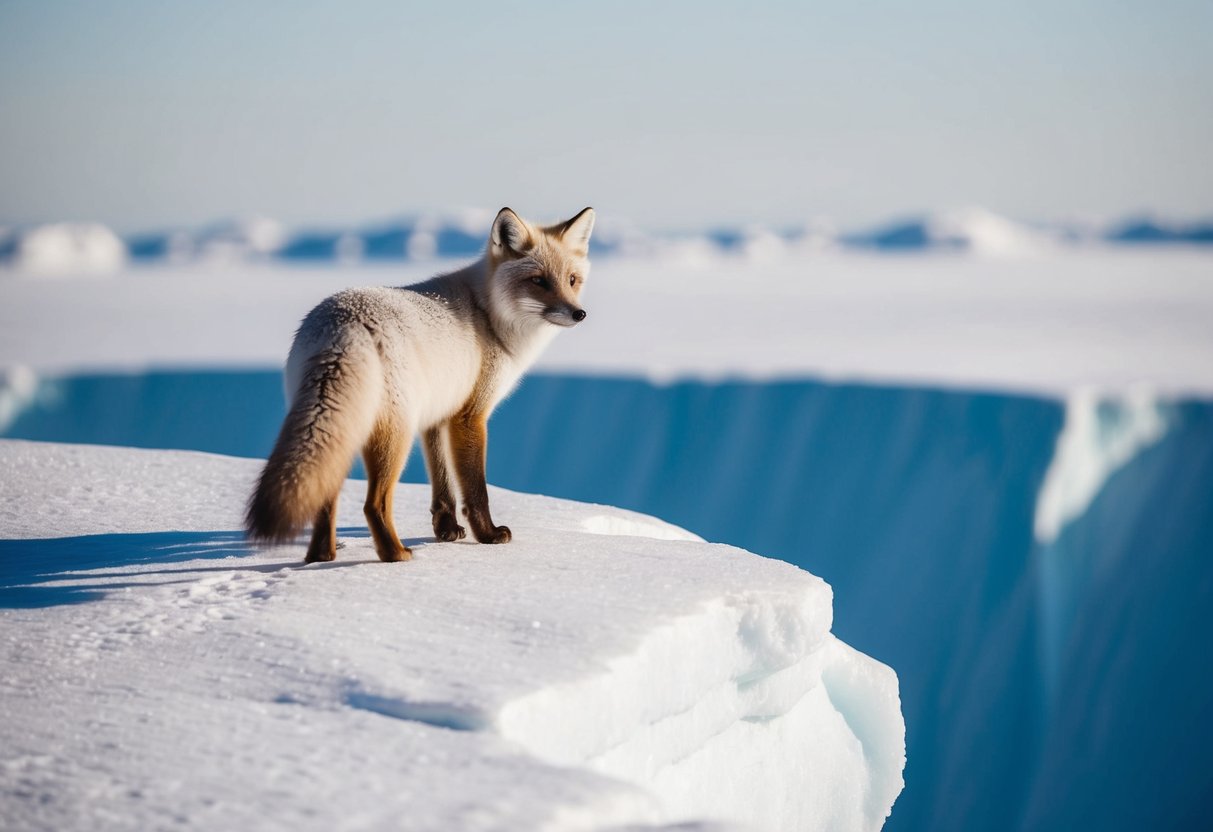
Understanding the roots of the Arctic fox takes you deep into the past, particularly in the Pliocene Epoch. It’s fascinating to discover how ancient species led to the modern Arctic fox we recognize today.
Pliocene Epoch and Vulpes Qiuzhudingi
During the Pliocene Epoch, around 3.6 to 5 million years ago, a significant discovery was made in Tibet. The fossil remains belong to a species called Vulpes qiuzhudingi. These fossils provide crucial evidence linking ancient foxes to modern Arctic foxes.
Vulpes qiuzhudingi showcases teeth and physical traits similar to today’s Arctic fox. This connection emphasizes its role as a potential ancestor.
The Zanda Basin in Tibet is where these fossils were unearthed. These findings support the idea that this region was crucial in the evolutionary journey of Arctic foxes.
Tibetan Beginnings
Tibet, particularly the Tibetan Plateau, is thought to be the birthplace of modern Arctic foxes, according to the “Out of Tibet Hypothesis.” This theory suggests that climate changes pushed foxes from this region into more northern habitats.
As glaciers expanded during different periods, these foxes adapted to survive in colder environments. Over time, their migration led to the development of traits suited for Arctic life.
The Tibetan origins reveal how climate and geography shaped what the Arctic fox is today. Your exploration of these ancestral ties highlights the incredible journey of this resilient species.
Evolutionary Journey
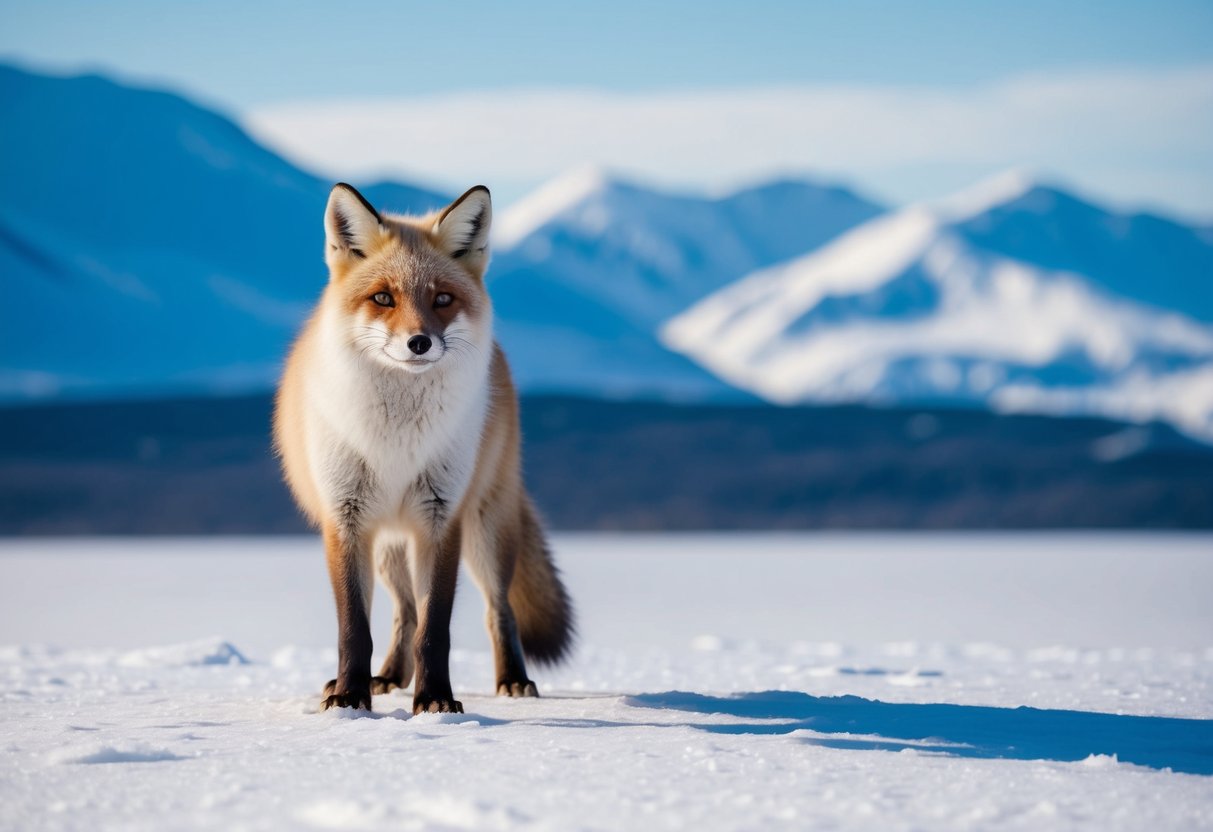
The evolutionary journey of the Arctic fox is a fascinating tale of survival and adaptation in harsh conditions. It highlights how these animals evolved traits that helped them thrive in extremely cold environments, especially during the ice ages.
Adapting to the Cold
As temperatures dropped during the last ice age, cold-adapted mammals like the Arctic fox developed specific traits for survival.
Its thick fur and bushy tail help provide insulation against frigid temperatures. The Modern Arctic Fox, a descendant of ancient foxes, became smaller and more agile over time. This adaptability allowed it to hunt efficiently and escape larger predators.
The fox’s fur also changes color with the seasons, offering better camouflage in snowy landscapes.
In addition to physical adaptations, the Arctic fox developed a unique diet. It can consume a variety of foods, ranging from small rodents to carrion. This flexibility is crucial for survival in environments where food can be scarce.
Ice Age Survival
The Ice Age brought various challenges for Arctic foxes and many cold-loving mammals. As megafauna like woolly mammoths roamed the Earth, the Arctic fox made use of their leftovers.
During this time, the Arctic fox demonstrated impressive hunting skills. It used its keen sense of hearing to locate prey hidden beneath the snow. This ability was vital, as finding food could be the difference between thriving and surviving.
As the climate warmed and the ice receded, the fox’s adaptations continued to prove useful. It was able to expand its territory and find new habitats. This resilience showcases the incredible journey of evolution that the Arctic fox has undergone over millions of years.
Fossil Discoveries
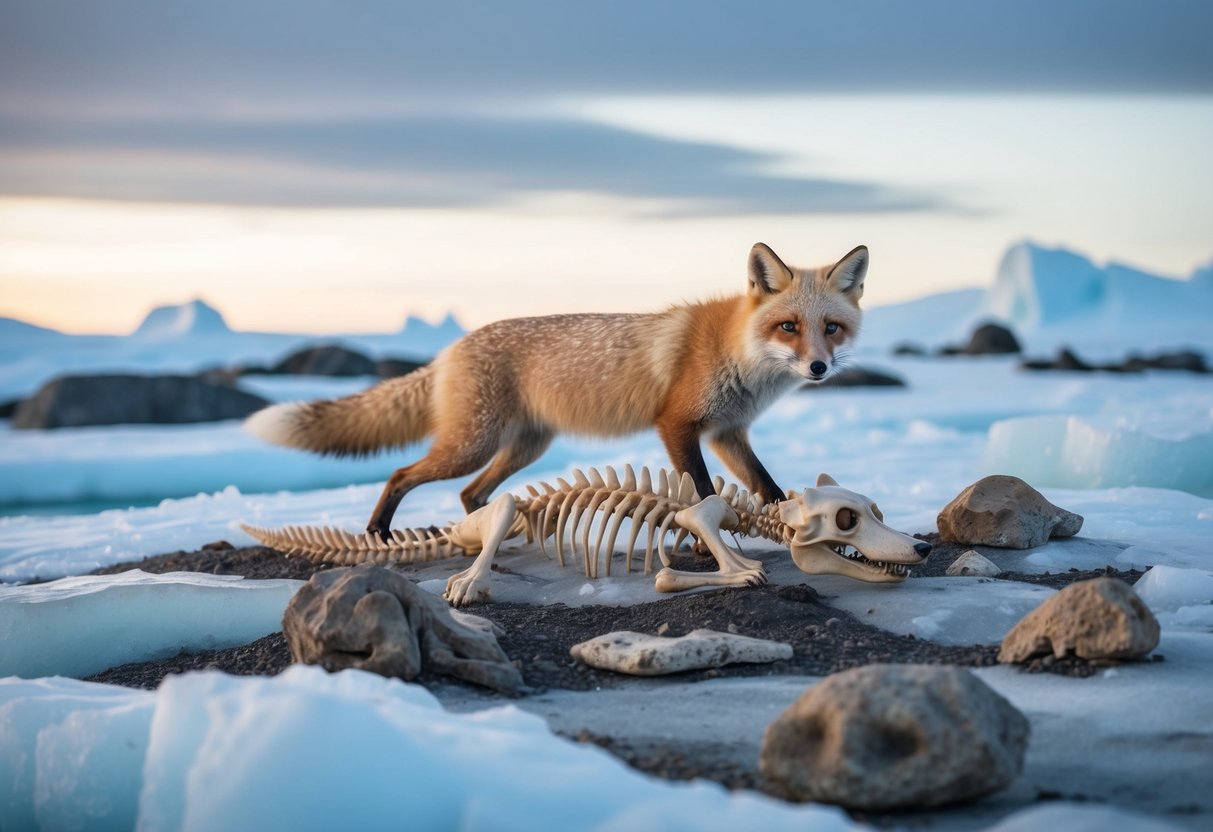
Fossil discoveries give you a glimpse into the past, revealing ancient species and their environments. The remains of a 5-million-year-old fox have provided valuable insights into the evolution of the Arctic fox.
Significant Findings
In Tibet, researchers found fossils of a fox called Vulpes qiuzhudingi, which lived 3.6 to 5.08 million years ago. These fossils include jaw fossils and other remains that link this species to modern Arctic foxes.
The discovery supports the idea that these ancient foxes adapted to cold climates. Fossils are crucial, as they help scientists understand how species like the Arctic fox evolved from hypercarnivorous ancestors.
Other significant fossils from that era include remains of ancient snow leopards, suggesting a rich ecosystem existed in the Himalayas. These findings help create a fuller picture of the habitats and climates of the past.
Analyzing the Teeth
The teeth of a 5-million-year-old fox provide important clues. Unlike modern foxes, these teeth were sharper and better suited for a meat-based diet. This adaptation indicates that the ancient species was likely a hypercarnivore.
Scientists analyze fossilized teeth to understand diet and behavior. They can tell how the fox hunted and what its environment was like.
The sharp teeth suggest it hunted small mammals, similar to how modern Arctic foxes do today.
By studying these dental features, researchers gain insights into the evolution of hunting strategies. This shows how ancient foxes adapted to their surroundings, paving the way for the Arctic fox we know now.
Modern-Day Arctic Foxes
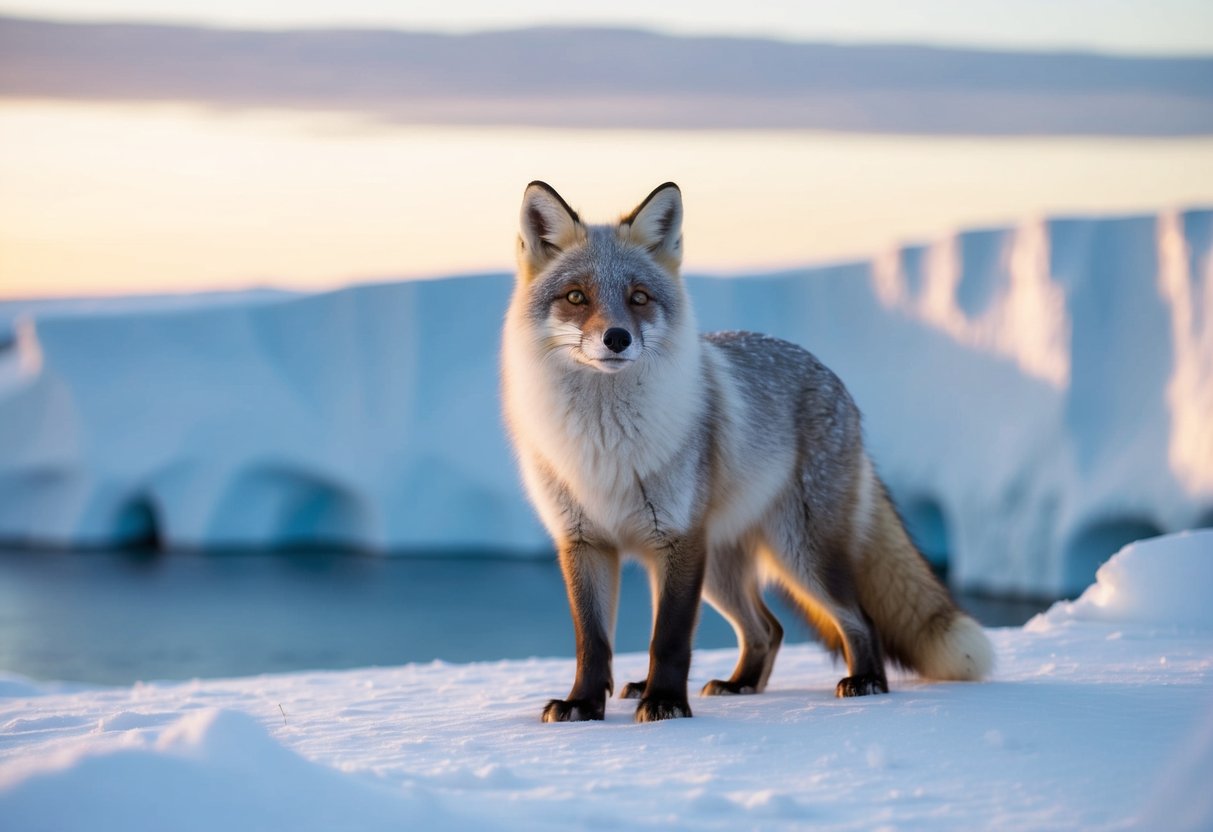
Modern-day Arctic foxes are remarkable animals that have adapted to live in some of the harshest conditions on Earth. Understanding their adaptations helps you appreciate how they thrive in the Arctic tundra. They also face various challenges that threaten their survival, making conservation efforts important for their future.
Adaptation and Habitat
Arctic foxes are well-adapted to the extreme cold of the Arctic. They have thick fur that provides insulation against low temperatures.
Their fur changes color with the seasons: it is white in winter for camouflage in snow and brown in summer to blend in with the tundra.
These foxes have short ears and a compact body, which helps reduce heat loss. They also have a keen sense of hearing, allowing them to hunt small animals beneath the snow.
You can find Arctic foxes across the Arctic regions, including parts of Alaska, Canada, Greenland, and Russia. They primarily inhabit tundra areas, where they dig dens in the ground to raise their young.
Challenges and Conservation
Today, several significant challenges are faced by Arctic foxes. Climate change is majorly affecting their habitat, causing the melting of sea ice and altering food availability.
The climate changes, red foxes are expanding into Arctic fox territory, competing for food and space. This competition for resources can be tough for Arctic foxes.
Other threats include habitat destruction from human activities and oil exploration in the Arctic.
Conservation efforts are vital to protect these unique creatures. Supporting initiatives focused on habitat preservation and sustainable practices can help create a better future for Arctic foxes and their environment.


