
If you just got stung by a bee, you’re probably wondering how long you should keep an eye out for serious problems. Most allergic reactions show up within minutes to an hour after the sting, so that’s when you really need to pay attention.
You might notice mild swelling and pain for a few days, but these usually fade on their own.
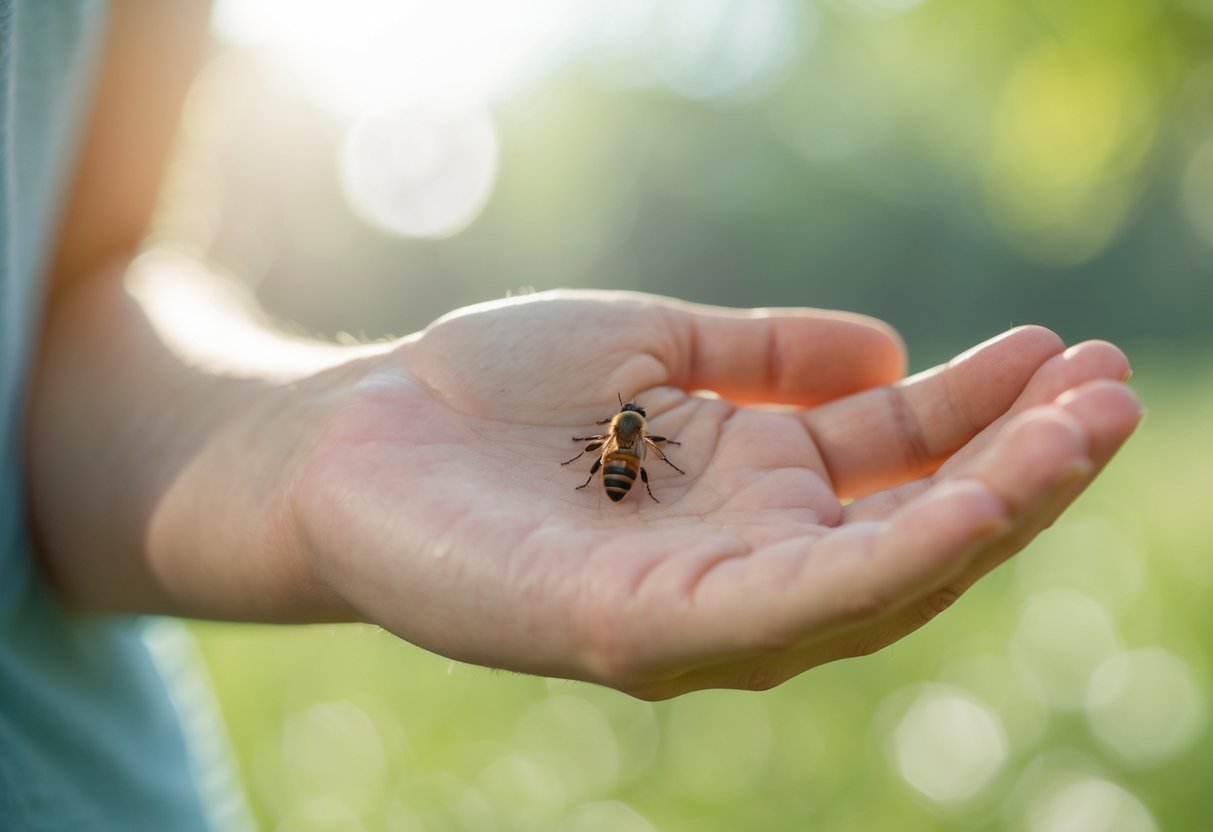
Sometimes, symptoms like trouble breathing, a swollen face or throat, or a rash can pop up fast and require emergency help. If you don’t see those signs right away, you’re less likely to have a severe reaction later on.
Honestly, knowing when to worry just helps you relax a bit and stay safe after a sting.
When to Worry After a Bee Sting

Right after a bee sting, pay attention to how your body feels. Most people only get mild reactions, but sometimes things can get worse pretty quickly.
If you know what to look for, you can act fast if something’s wrong.
Recognizing Normal Versus Severe Reactions
Usually, bee stings cause pain, redness, and swelling right where you got stung. That’s normal, and it tends to go away in a few hours or days.
You can treat it with ice, painkillers, or antihistamines. A little lump or itch? Totally normal.
If the swelling spreads far from the sting, or you spike a fever, you might be dealing with an infection. Got stung by more than one bee? You could see more swelling or pain.
If you suddenly feel wiped out, dizzy, or notice your heart racing, you need to see a doctor.
Timeline of Symptoms and When to Seek Help
Stay alert for serious symptoms in the first one or two hours after a sting. Mild swelling or redness usually gets better over the next day or two.
If you notice worsening swelling, spreading redness, or new symptoms after the first day, call your doctor. Trouble breathing or swallowing can show up within 15 minutes to an hour.
Don’t wait around if serious signs start.
Warning Signs of Anaphylaxis
Anaphylaxis can hit fast and it’s dangerous. Watch for these red flags:
- Trouble breathing
- Swelling of your face, tongue, or throat
- Difficulty swallowing
- Rash or hives
- Chest tightness or wheezing
If you spot any of these, grab your epipen if you have one. Call 911 or get to the ER right away.
Quick action really matters with severe bee sting allergies.
For more on what to do in an emergency, check out when to worry after a bee sting.
Essential First Steps and Prevention

Knowing what to do right after a sting can help cut down pain and swelling. Handling mild reactions quickly—and figuring out how to deal with wasp or other insect stings—keeps you safer.
The right treatment and a little prevention go a long way.
Immediate Actions to Take After a Sting
First, remove the stinger as soon as you can. Use a credit card edge or your fingernail to gently scrape it out.
Try not to use tweezers, since squeezing the stinger might push more venom in.
Wash the area with soap and water to help prevent infection. Then, press a cold pack or some ice wrapped in a cloth on the sting for about ten minutes.
That should help with pain and swelling.
If you have insect repellent, it won’t stop the reaction, but it can keep other bugs away while you’re dealing with the sting. Stay calm and try not to scratch.
Treatment for Mild Reactions
You can take an over-the-counter antihistamine for mild swelling, redness, or itching. That’ll help bring down the itch and puffiness.
Calamine lotion or hydrocortisone cream can also make your skin feel better. Dab it on the sting as needed.
If you’re hurting, go for ibuprofen or acetaminophen. Keep an eye out for any serious allergic reaction signs, like trouble breathing or swelling in your face.
Managing Wasp Stings and Other Insect Stings
Wasp stings usually hurt more and sometimes trigger stronger reactions. Wasps don’t leave a stinger behind, so there’s nothing to pull out.
Just clean the area and put a cold compress on it, like you would for a bee sting. You might find that antihistamines ease the itching or any allergy symptoms.
If you know you’re allergic to wasp or other insect stings, keep an epinephrine auto-injector with you. Use it right away if you get stung.
Try wearing light-colored clothes outside and use insect repellent, especially if you’re heading somewhere with lots of wasps.


