
Getting stung by a bee hurts—and honestly, it can be a little scary when the spot starts to puff up. The best thing you can do right away? Take out the stinger, wash the area, and slap on a cold compress. That’ll help keep the venom from spreading and might keep the swelling in check.

You might see the swelling get worse over the next day or two. That’s actually pretty normal.
Try antihistamines or even a baking soda paste if it’s itchy or puffy. Keep an eye out for infection or any signs of a big allergic reaction—if you spot those, you’ll want to get help.
Curious about what else you can do at home or when you should call a doctor? Keep reading for some down-to-earth advice to help you stay calm and handle the sting safely.
Immediate Steps to Take After a Bee Sting Swells Up
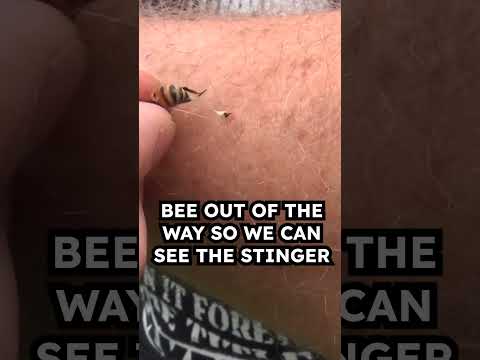
When a bee sting swells, it’s all about acting fast. Taking the right steps can help with pain and keep the swelling from getting out of hand.
Focus on getting the stinger out, cleaning up, and calming your skin with some easy treatments.
Remove the Stinger Quickly and Safely
Start by removing the bee stinger as soon as you can. The stinger pumps out venom, and the longer it’s there, the more it hurts.
Grab a credit card or use your fingernail to gently scrape it out. Try not to pinch it with tweezers—squeezing can push in more venom.
Once you get it out, wash your hands before you touch the swollen area. That’ll help you avoid infection.
Cleanse and Soothe the Area
After you’ve removed the stinger, wash the spot with soap and water. This gets rid of bacteria or dirt that could cause trouble.
Dry the area with a clean towel or just let it air dry.
If it’s itchy or sore, put on a cool, damp cloth. You can also use calamine lotion or hydrocortisone cream—they’re great for calming down redness and itch.
Try not to scratch, even if it’s tempting. Scratching can make things worse or even cause cuts.
Apply a Cold Compress to Reduce Swelling
Cold compresses really help with swelling and pain. Just wrap some ice in a thin cloth or grab a cold pack.
Hold it on the sting for 10 to 15 minutes, then give your skin a break.
The cold slows blood flow and cuts down inflammation, which should help with the swelling.
You can repeat this every few hours during the first day. It’s a simple trick but surprisingly effective.
Consider Over-the-Counter Treatments
If you’re still uncomfortable, try some over-the-counter meds. An oral antihistamine like diphenhydramine (Benadryl) can help with itching and allergic reactions.
You can also put hydrocortisone cream on the spot up to four times a day to bring down swelling.
Pain relievers like ibuprofen or acetaminophen might help if it’s really sore. Just follow the instructions on the box.
If the swelling keeps getting worse or you notice any serious symptoms, don’t wait—get medical help.
For more info, check out these tips on treating bee sting swelling here.
When to Seek Medical Help for Severe Swelling

If the swelling from your bee sting spreads quickly or goes beyond the sting site, it might be something serious. It’s good to know when to get help so you don’t mess around with your health.
Recognizing Signs of an Allergic Reaction
Keep an eye out for signs your body’s not happy. Look for hives—those red, itchy bumps that can show up anywhere, not just the sting.
Sometimes your skin might turn really pale or super flushed. Swelling in your face, lips, or eyes should make you pause.
Feeling dizzy, faint, or nauseous? Or maybe your heart’s racing? Those are big warning signs.
Your immune system could be going into overdrive. If you spot any of these, get medical help right away—serious allergic reactions can get dangerous fast.
Managing Anaphylaxis with an Epipen
Anaphylaxis is a severe allergic reaction that’s honestly pretty scary. If you know you’re allergic to bee stings, always carry an EpiPen.
This little device gives you a shot of epinephrine, which helps with swelling and breathing.
Use your EpiPen immediately if you have trouble breathing, feel your throat tightening, or notice swelling in your tongue or lips.
After using it, call 911 or head to the ER. Epinephrine acts quickly, but you’ll still need doctors to keep an eye on you since symptoms can come back.
Symptoms That Require Emergency Attention
Some symptoms after a bee sting mean you need emergency care right away. Watch out for these:
- Difficulty breathing or swallowing
- Swelling of your throat or tongue
You should also pay attention to:
- Severe dizziness or fainting
- Rapid or weak pulse
If you notice confusion or someone loses consciousness, that’s a big red flag.
When your bee sting swelling suddenly gets worse or spreads fast, don’t wait—get help. These signs might mean anaphylaxis, which demands urgent treatment.
Most bee stings just cause mild pain and swelling. But if you spot any of these serious symptoms, call emergency services without delay.
If you want more details about bee sting swelling or when to see a doctor, check this medical guide.


