
If you ever peer into a honeybee hive, spotting the queen among all those buzzing worker bees can feel like a real challenge. But hey, once you know what to look for, picking her out gets a lot easier.
The queen bee’s bigger, with a long, narrow abdomen that pokes out past her wings. She even moves differently—almost like she knows she’s in charge.

You might spot her shorter wings and sometimes a darker back compared to regular bees. Her job’s pretty special—she’s the main egg layer, really the heart of the hive.
If you keep these clues in mind, you’ll have an easier time picking out the queen in a crowd.
Curious about the details? Want to know more about her behavior and what exactly sets her apart? Check out this guide on how to tell the difference between a queen bee and a regular bee.
How to Identify a Queen Bee Versus a Regular Bee
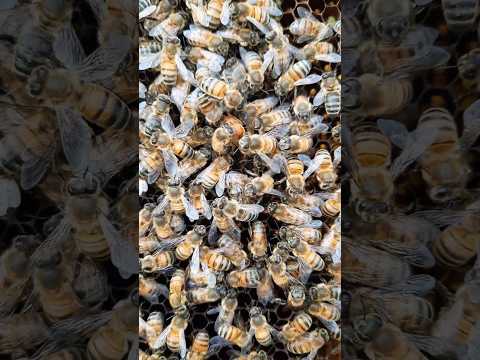
You can spot a queen bee by checking out her size, shape, and a few key body features. The queen’s usually bigger, with a longer abdomen and wings that look a bit different.
Her color and markings can help too, especially when you compare her to worker bees and drones.
Size and Shape Differences
The queen bee stands out as the largest bee in the colony. She measures around 20 millimeters long—almost twice as big as a worker bee.
Worker bees usually reach about 11 to 15 millimeters. Drone bees, the males, come in a bit bigger than workers but still smaller than the queen.
Her body’s more slender and stretched out, not round like the worker bees. The queen’s abdomen is extra long and smooth.
It often sticks out well past her wings. Worker bees have shorter, fuzzier abdomens.
Abdomen and Wing Structure
If you look closely, you’ll notice the queen’s abdomen is shiny and tapered. She doesn’t have the fuzzy hair that covers worker bees.
This smooth belly makes her much easier to spot, even in a busy hive. Her wings are short compared to her body.
They only cover part of her abdomen. Worker bee wings almost reach the end of their abdomens.
Drone bees look bulkier and have bigger eyes, but their wings fit their size. Watching the wing length compared to the abdomen helps you tell the queen from the others.
Coloration and Markings
The queen usually shows off a more uniform and glossy body color. She might look a little darker, with fewer stripes than worker bees.
Worker bees have clear, visible stripes across their abdomens. Some queens have a golden or lighter tone, but honestly, it depends on the species.
Drones look duller and bulkier. The queen’s markings blend smoothly, while worker bee stripes are more obvious.
If you really look, the queen’s shiny surface stands out in the hive’s busy chaos.
Want more on queen bee traits? Here’s a handy link: How to Identify a Queen Bee.
Unique Roles and Behaviors of Queen Bees and Regular Bees

Queen bees and regular bees have totally different jobs inside the hive. The queen focuses on reproduction, while the other bees do everything else to keep the colony running.
Their behaviors really show these differences.
Egg-Laying and Reproduction
The queen bee lays eggs—sometimes up to 2,000 a day. She places these eggs carefully in the honeycomb cells.
Only the queen is fertile, so she’s the one producing worker bees and drones. Young queens get fed special food called royal jelly, which helps them grow bigger and live longer.
Beekeepers raise queens in special queen cells, which are larger than normal cells.
Worker Bee Duties in the Hive
Worker bees stay busy with all sorts of jobs. They clean cells, build honeycomb, gather nectar, and even guard the hive.
Worker bees don’t reproduce. Instead, they help raise the queen’s eggs into new bees.
They also feed the young larvae royal jelly at first, then switch to a mix of pollen and honey. Drones, the male bees, focus mostly on mating and don’t pitch in with the chores.
Signs of the Queen’s Presence
You can usually spot a queen in the hive just by watching how the workers behave. If the queen’s healthy, worker bees stay calm and move in a pretty organized way.
You’ll often see a bunch of them clustering around her, forming what’s called a retinue. They protect her and spend a lot of time grooming her, which is kind of fascinating to watch.
Look for smooth, well-kept honeycomb without any queen cells. If you notice workers building new queen cells, they’re probably trying to raise another queen because something’s wrong with the current one.
Guard bees might act extra jumpy if there’s danger, especially when the queen’s pheromones seem weak or totally missing.
If you’re curious about all these roles, you can dive deeper into bee types and their roles.


