
If you’re living with arthritis, you might wonder if bee venom could actually help ease your joint pain and stiffness. Some research shows bee venom can reduce inflammation and swelling, which might bring relief for certain people dealing with arthritis.
This natural approach has started to get more attention. People are curious because it interacts with the immune system and might help control the inflammation behind joint discomfort.

Bee venom therapy usually involves controlled bee stings or creams with venom, targeting sore spots. Some studies and real-life stories suggest it could help improve mobility and reduce pain.
But honestly, it doesn’t work the same for everyone, and there are some risks. If you’re thinking about alternative options for arthritis, it’s worth learning how bee venom works so you can decide if it’s something you want to try.
How Bee Venom Works for Arthritis
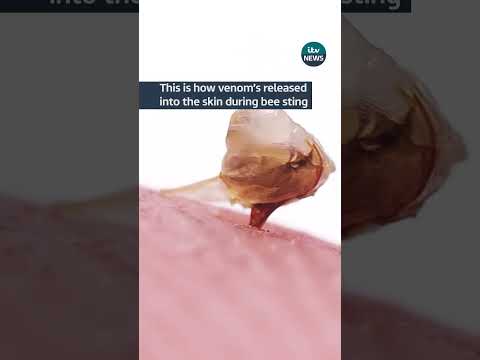
Bee venom can influence arthritis symptoms by working on inflammation, joint pain, and swelling. It’s packed with compounds that change how your immune system reacts and help reduce stiffness and discomfort in your joints.
Mechanisms of Action
When you apply bee venom to your skin or get it injected, your immune system reacts in a way that lowers inflammation. One big effect comes from how bee venom interacts with cytokines—those proteins that control inflammation.
Bee venom helps lower the levels of these pro-inflammatory cytokines. That can mean less joint swelling and pain.
It also blocks enzymes that cause joint damage, like PLA2 (phospholipase A2). By keeping these enzymes in check, bee venom slows down the process that leads to joint stiffness and discomfort.
This action actually helps protect your joints from more harm.
Key Compounds in Bee Venom
The main active ingredient in bee venom is melittin. Melittin makes up about half the venom’s dry weight and has a big impact.
It can disrupt the cell membranes of inflammatory cells, which helps lower inflammation in the joint area.
There’s more to it, though. Bee venom also contains enzymes and small proteins that support its anti-inflammatory effects.
All these substances work together to calm joint inflammation and help prevent damage to cartilage and tissues.
Anti-Inflammatory and Pain-Relieving Properties
Bee venom has powerful anti-inflammatory properties that reduce swelling and redness in your joints. By quieting the immune response, it can make joint pain and stiffness less intense.
Besides fighting inflammation, bee venom also has pain-relieving properties. The venom affects nerve signals tied to pain, helping ease the discomfort arthritis brings.
This combo can give your joints more flexibility. You might find it easier to move without as much pain.
If you want to dig deeper, here’s a detailed overview of bee venom’s role in easing arthritis symptoms.
Bee Venom Therapy: Safety, Efficacy, and Treatment Options

Bee venom therapy shows up as an alternative treatment for managing arthritis symptoms like pain and inflammation. You’ll want to know how it compares to traditional methods, how you can get it, and what risks you might face before making any decisions.
Clinical Evidence and Research
Research on bee venom therapy for rheumatoid arthritis, osteoarthritis, and gout is still limited, but it’s growing. Some studies say it might reduce inflammation and improve joint function by changing how your immune system responds.
But let’s be honest—large-scale clinical trials still haven’t confirmed these benefits or shown how effective it really is.
Bee venom contains compounds that might help lower autoimmune activity and calm inflammatory arthritis symptoms. The evidence is mixed, though, and doctors usually only suggest it after you’ve tried more standard treatments like methotrexate, NSAIDs, or corticosteroid injections.
You should keep an eye out for well-designed studies, since a lot of reports come from small trials or lab research. Staying updated with clinical research helps you figure out if this therapy could fit your treatment plan.
Want more details? Check out this research on the clinical effectiveness and adverse events of bee venom therapy.
Comparison with Traditional Treatments
Traditional arthritis treatments include drugs like NSAIDs, corticosteroids, biologics, and physical therapy. These methods come with well-known effects and safety profiles.
Bee venom therapy is different. People still consider it experimental, and it hasn’t been studied as much.
Methotrexate or biologics target your immune system throughout your whole body. Bee venom therapy tries to train your immune system directly using controlled stings or injections.
Its possible pain relief and inflammation control might appeal to you if you’re looking for something outside the usual options.
Still, don’t swap out proven treatments without talking to your doctor. Sometimes, you can use this therapy alongside other approaches, like acupuncture or physical therapy, but for most people, it’s not the first thing to try.
Methods of Administration
You can get bee venom therapy in a few ways: live bee stings, injections, or bee venom acupuncture. Each method gets venom peptides into your body to trigger immune responses and reduce symptoms.
- Live bee stings: Bees are placed on your skin to sting, releasing venom right where you need it.
- Injections: Professionals inject purified venom under your skin in controlled doses.
- Bee venom acupuncture: This combines traditional Chinese medicine with venom, targeting specific points.
Your dosage and how often you get treated depends on your condition and how much you can tolerate. Professionals should adjust your plan carefully to avoid overdosing or worsening side effects.
Potential Risks and Side Effects
Bee venom therapy comes with some real risks, especially allergic reactions. These can range from mild swelling to severe anaphylaxis, which sounds scary for good reason.
If you have allergies or asthma, you probably shouldn’t try this—or at least, you should be extremely careful.
People usually notice redness, itching, or pain where they got stung or injected. Sometimes things get more serious, and if that happens, you need medical help right away.
We don’t have a ton of safety data yet. So, reporting any bad reactions really helps everyone understand the risks better.
It’s important to find a healthcare provider who actually knows what they’re doing with bee venom therapy. They can check your risks and keep an eye on you during treatment.
Allergy testing and emergency plans matter a lot here. These steps help prevent things from going wrong.
You can find more details in this overview of bee venom benefits and side effects.


