
You spot itchy red bumps and start wondering—could those be flea bites? Flea bites usually pop up as small, red spots, and they often show up in clusters or little lines.
Most of the time, you’ll see them on your lower legs—think feet, ankles, and calves.

You can spot flea bites by looking for tiny bumps with a reddish or discolored ring around them. These bites make you itch, and if you scratch, you might notice some swelling.
Knowing these signs helps you figure out if fleas are to blame or if it’s something else, like mosquitoes or bed bugs.
Where the bites are and how they look can really help you sort things out.
You might want to check your pets and living space for fleas or flea dirt, too. That’s a solid clue if you’re seeing weird bites on your skin.
How to Identify a Flea Bite
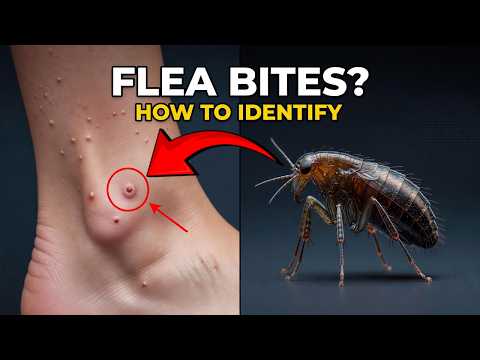
Flea bites have some pretty specific signs that help you tell them apart from other insect bites. You’ll usually notice tiny red bumps, where they show up on your body, and how your skin reacts.
If you’ve got pets, they might start scratching more than usual. That’s another hint you might have fleas around.
Visual Characteristics of Flea Bites
Flea bites look like small, red bumps—usually with a red ring or halo around them. These bumps tend to show up in clusters or lines.
They’re super itchy and can get swollen or inflamed if you scratch too much.
The bumps are tiny, about the size of a pinhead. Sometimes you’ll notice tiny black dots near the bites.
Those little specks are flea dirt—basically flea droppings made of digested blood. Spotting flea dirt is a big sign you’ve got fleas on you or your pets.
Common Bite Locations on the Body
You’ll mostly find flea bites on your lower legs and feet, especially around the ankles, calves, and sometimes your toes.
Fleas seem to go for thinner skin where they can get to your blood more easily.
You don’t usually find flea bites above your knees—unless you’ve been sitting or lying down a lot.
The bites show up in groups or straight lines, which is a handy clue for telling flea bites apart from mosquito or bed bug bites.
Typical Symptoms and Reactions
The biggest symptom? Intense itching right where you got bitten.
You’ll notice a raised bump that might sting or burn a bit.
The area around the bite often turns red and can get inflamed if you scratch.
Some people react more and see the bites swell up or even blister.
If you scratch too much, you might get an infection.
Flea bites don’t usually spread disease to humans, but they sure can be uncomfortable and make your skin irritated for days.
Signs of Flea Bites on Pets
If your pets have fleas, you’ll probably see them scratching and biting themselves a lot.
Look for small red bumps or scabs, especially around the neck, belly, and legs.
Finding flea dirt on their fur is a clear sign. These look like tiny black specks, but if you wipe them on a damp paper towel, they turn reddish because it’s dried blood.
Fleas multiply fast on pets, so spotting these signs early helps you stop a flea problem before it takes over your home.
For more details on spotting flea bites, see how to detect them on humans and pets at 3 Ways to Detect Flea Bites.
Distinguishing Flea Bites from Other Insect Bites

Flea bites can look a lot like other insect bites, which can make things confusing. But if you pay attention to where they show up, the pattern, and how they feel, you can usually tell the difference.
That helps you pick the right treatment and avoid more bites down the line.
Comparison with Mosquito Bites
Flea bites usually show up in clusters or lines on your lower legs and ankles. They’re small, red, and super itchy, with a tiny red dot in the middle.
Mosquito bites, on the other hand, are bigger and puffier, and they don’t usually form clusters. You’ll find them on exposed skin like your arms, neck, and face.
Mosquito bites swell up fast and can itch or even feel sore. Flea bites tend to itch more, and some people get small blisters.
If your bites are mostly low on your body and grouped together, fleas are probably the culprits. For more details, check this expert guide on flea and mosquito bites.
Differences from Bed Bug Bites
Bed bug bites are usually bigger than flea bites and show up on your arms, neck, and torso. Flea bites stick to your ankles and feet most of the time.
Bed bug bites happen in lines or clusters, but they’re more scattered and not as tiny as flea bites.
You’ll often notice bed bug bites after you’ve been sleeping or resting, since bed bugs feed at night.
Unlike fleas, bed bug bites can swell and sometimes blister. The irritation from bed bug bites tends to hang around longer, and you might feel more discomfort overall.
To dig deeper into the differences, see this bed bug bites vs. flea bites resource.
Recognizing Bite Patterns of Other Insects
Other insects, like spiders or ants, can leave bites that sometimes look a bit like flea bites, but they usually have their own quirks. Spider bites often leave just one painful mark. Sometimes, you’ll notice swelling or even a blister.
Ants? Their bites or stings hurt and usually turn into small, raised bumps. You might even spot a little pus.
Flea bites, on the other hand, almost always show up in groups. They itch like crazy, but they don’t really hurt. If you see clusters on your lower legs, that’s a pretty solid hint.
It’s worth paying attention to these patterns. That way, you can figure out what bit you and avoid treating the wrong thing. If you want to see some real-life examples, check out this page about identifying insect bites.


