
Most female bees have stingers, but not all. Honey bees and bumblebees, for example, have stingers because what we call a stinger is actually a modified egg-laying organ.
Only female bees have stingers, but some species of female bees barely use them—or can’t sting at all.
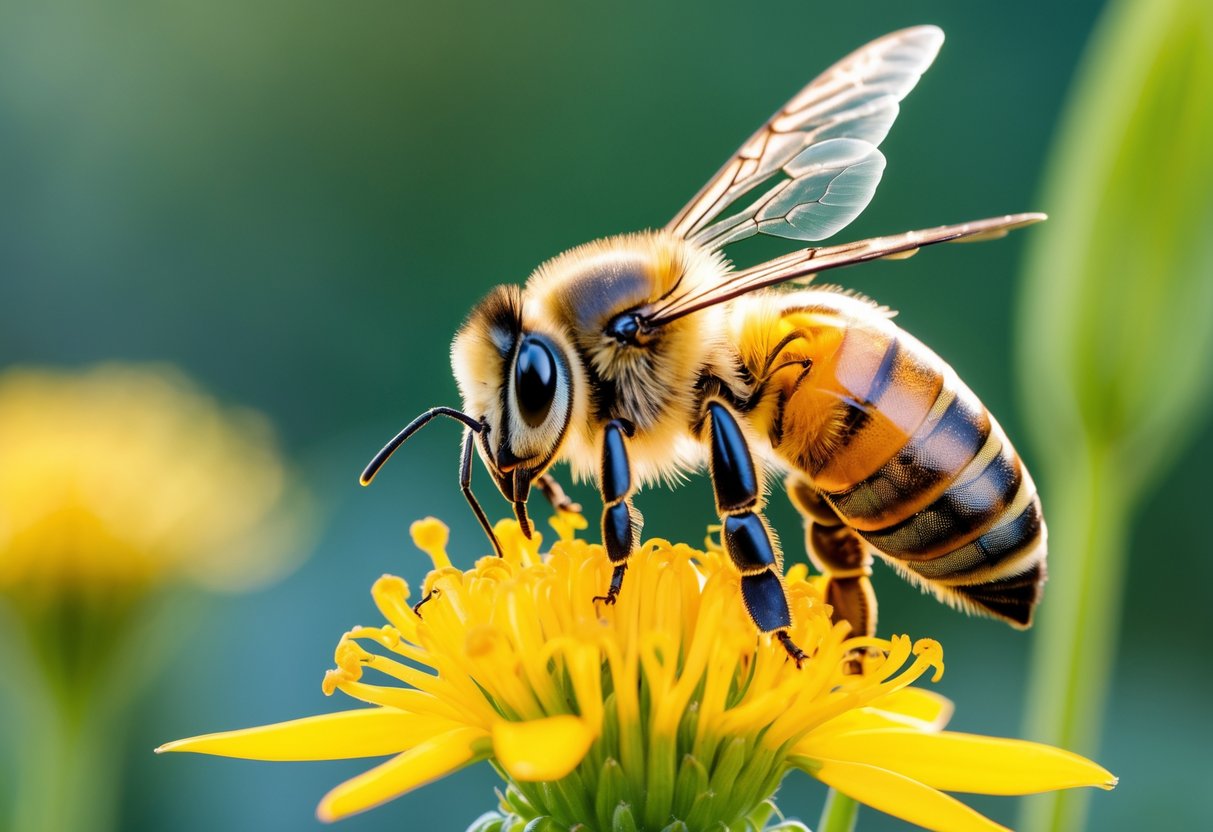
You might be surprised, but male bees don’t have stingers at all. They’re built for mating, not for defending the hive.
If you’ve ever wondered why only some bees sting, it really depends on the species and how that female bee’s stinger evolved.
Knowing which bees can sting can help you stay calm around them. Most stingers belong to females, and honestly, some of them never use their stingers anyway.
If you’re curious about which female bees have stingers, check out this guide on female bees and their stingers.
Do All Female Bees Have Stingers?

Most female bees can sting, but not all of them do. It really comes down to how their bodies are built and what they need to do to survive.
Some female bees have special tools for biting or defense, but others don’t have stingers at all.
Difference Between Female and Male Bees
Male bees, or drones, don’t have stingers. Their bodies just don’t come with that feature, since the stinger is actually a modified egg-laying organ.
Female bees have this organ because they need it for hive protection and other tasks.
The female bees you usually spot—worker bees and queen bees—both have stingers, but they don’t use them the same way.
Worker bees usually sting once and then die, since their stingers get stuck in skin. The queen, though, can sting more than once because her stinger is smoother.
Role of Ovipositor in Female Bees
A female bee’s stinger is really a changed ovipositor. In ancient bee species, it mostly laid eggs.
Now, for most female bees, it does double duty: it helps lay eggs in some cases, and it works as a defense weapon.
Only females can sting because only females lay eggs. The ovipositor hooks up to venom glands, so when a female bee stings, venom gets released.
This helps the hive fight off predators or any other threats.
Exceptions: Stingless Bees
Some female bees don’t have stingers at all. Stingless bees from the Meliponini tribe (like Melipona species) lost their stingers through evolution.
Instead of stinging, these bees bite or use other ways to defend themselves. You’ll find stingless bees mostly in tropical areas, and they’re still important pollinators.
So, when you see a female bee, remember—it might not be able to sting, depending on its species.
Want to dig deeper into why only certain female bees have stingers? Check out beekeepercorner.com.
Varieties of Bee Stingers and Stinging Behavior
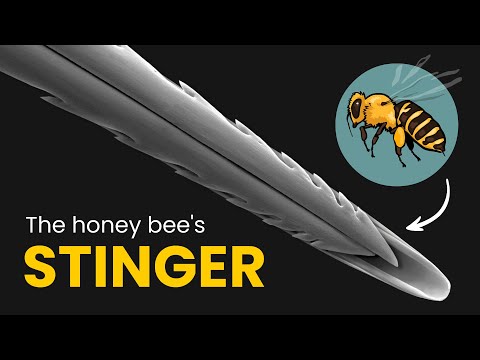
Bee stingers aren’t all the same. Some bees have barbed stingers, while others have smooth ones.
How a bee stings—and what happens afterward—really depends on the species.
Not every female bee can sting, so it helps to know which ones can and how their stingers work.
Barbed Versus Smooth Stingers
There are basically two main types of bee stingers: barbed and smooth. Honey bees have barbed stingers.
These barbs make the stinger get stuck in your skin if the bee stings you. When this happens, the stinger pulls out with part of the bee’s abdomen, which usually kills her.
The stinger keeps pumping venom into you for a little while, even after the bee’s gone.
Queen honey bees, on the other hand, have a smoother stinger. This means they can sting more than once without losing their stinger or dying.
Some bees, like bumblebees, also have smooth stingers and can sting repeatedly. Knowing the difference between barbed and smooth stingers explains why some bee stings are worse for the bee than others.
How Bee Stings Work
A bee’s stinger connects to a venom sac inside her body. When she stings, venom flows through tiny tubes into your skin.
This venom contains peptides that make you feel pain and cause swelling. In honey bees, the stinger also releases an alarm pheromone, calling other bees to help defend the hive.
Female bees mostly use their stingers for protection. Some species only sting if they feel threatened or if you get too close to their home.
The venom is a mix made to stop predators, but it’s usually not deadly unless you’re allergic. How the venom gets delivered depends on the stinger type and the kind of bee.
Species That Can and Cannot Sting
Not every female bee has a stinger, and honestly, some just never use it. You’ll probably run into honey bees, bumblebees, or those infamous Africanized honey bees—the ones with a reputation for stinging. Their stingers let them protect themselves and their colonies.
Meanwhile, a bunch of solitary bees, like mason bees, barely ever sting. Some don’t even have strong stingers. Male bees, or drones, never come with stingers—so they’re harmless in that way.
Certain bees, called “stingless bees,” live in tropical places. The females in those species don’t have working stingers at all.
Quick list of stinging behaviors:
- Honey bees: Have barbed stingers and die after stinging once
- Queen honey bees: Use a smooth stinger, so they can sting more than once
- Bumblebees: Also have smooth stingers and can sting repeatedly
- Solitary bees (like mason bees): Rarely sting, and often don’t
- Drones (male bees): Don’t have stingers
- Stingless bees: Females can’t sting
Knowing this makes it easier to figure out when you actually need to worry about getting stung. Sometimes, the threat is way lower than you’d think.


