
If you’ve ever spent time in Texas, you’ve probably caught on that folks say “coyote” in a way that stands out from the rest of the country.
Most Texans just say “kai-oat,” skipping that last syllable you might expect. You’ll hear this especially around places like Wichita Falls, where the high school mascot is literally called the “Kai-Oats.”
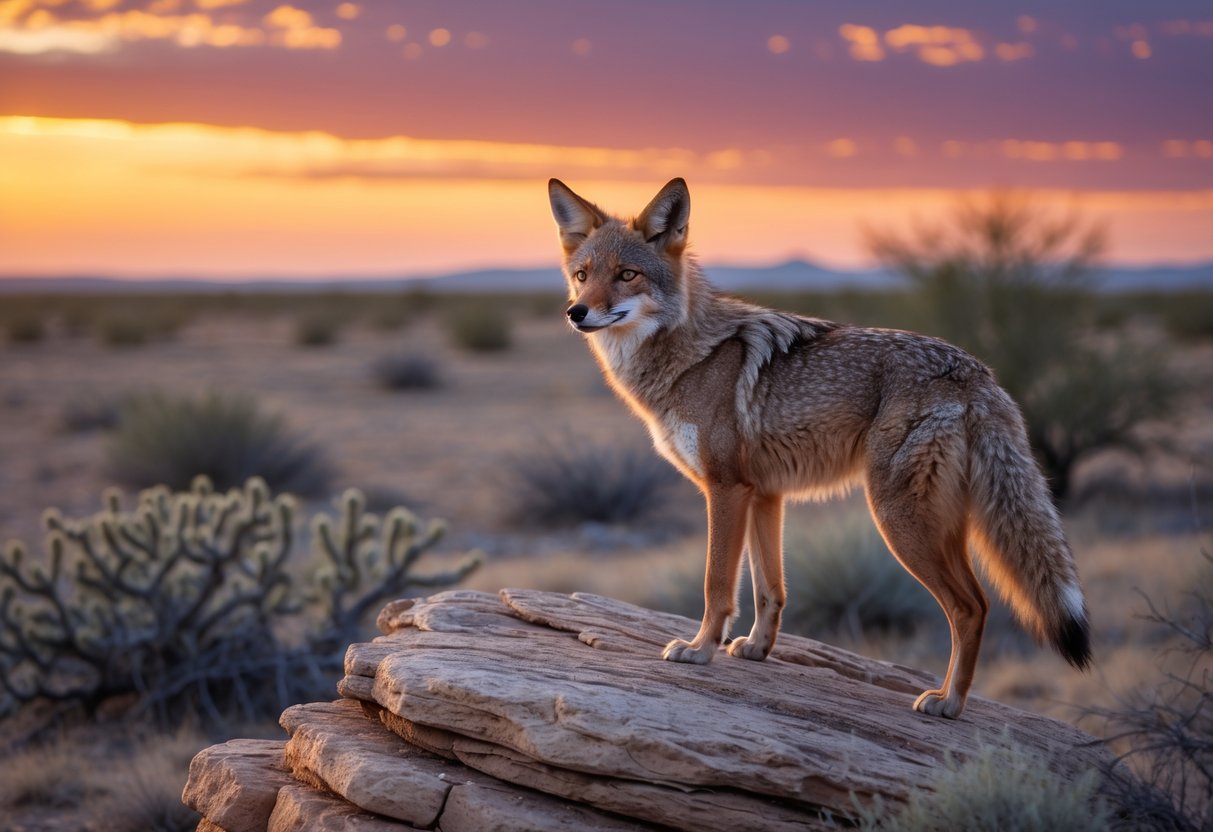
Other regions in the U.S. might say “kai-oh-tee,” but “kai-oat” is a dead giveaway you’re chatting with a Texan.
If you want to blend in or just understand Texans a little better, picking up this pronunciation trick will definitely help.
How Texans Pronounce Coyote

Texans say “coyote” in ways that reflect where they live and the culture around them.
The pronunciation usually sounds different from what you’ll hear in other parts of the country.
You’ll even see local high school mascots using this word, which kind of proves how much it’s woven into daily Texas talk.
Texas Regional Variations
In Texas, some people say “coyote” like kai-o-tay instead of the more common kai-o-tee.
You’ll hear this version a lot in western and southwestern Texas, probably because of older local speech and maybe even some Native American language roots.
Urban areas, though, tend to use kai-o-tee more.
Where you grew up or hang out seems to make a big difference.
Sometimes you’ll notice both versions in the same town, which is honestly kind of fun.
People generally accept both, but the kai-o-tay style feels special in places with strong cowboy history.
Comparison to Standard American Pronunciation
Most Americans pronounce coyote as kai-o-tee, with three syllables.
That’s what you’ll find in dictionaries, and it’s what you hear on TV or in movies.
Texans in rural areas often drop the last syllable, turning it into just two: kai-o-tay.
That twist comes from older influences, including Spanish and Native American languages.
Language really does adapt to local tradition, doesn’t it?
If you’re new to Texas, kai-o-tay might sound odd, but down here, it’s just how people talk.
Wichita Falls High School Mascot Example
Wichita Falls, Texas, is a perfect example of the kai-o-tay pronunciation.
The high school mascot is the Old High Coyotes, and nobody says kai-o-tee there.
The whole town uses the two-syllable version.
This tradition probably comes from the old cowboy song “Bury Me Not on the Lone Prairie,” where they say kai-o-tay.
That song has been part of Texas culture for ages.
If you ever visit Wichita Falls or hear about the Old High Coyotes, you’ll spot that Texan twist right away.
It’s a local identity marker that stands out.
Want to dive deeper? Check out this Wichita Falls pronunciation discussion.
Texan Pronunciation in Everyday Life

If you hang around Texas for a while, you’ll notice all sorts of words and names sound different.
That comes from the state’s history, culture, and famous places shaping how people talk.
Unique Local Words and Places
Texans usually say “coyote” as kai-yote instead of kai-yo-tee.
You’ll hear this especially in rural areas and from older folks.
Chat with farmers or people in small towns, and you’ll probably catch the shorter, two-syllable version.
It’s not just “coyote,” though.
Texas has plenty of place names with unexpected pronunciations.
Take “Boerne,” for example—it’s pronounced burn-ee.
These quirks give Texas its own unique sound.
You end up getting used to these words because they’re such a big part of life here.
Learning them makes visiting or moving feel a whole lot easier.
Similar Texas Pronunciation Quirks
Texas speech has a bunch of other quirks beyond “coyote.”
In some spots, “oil” sounds more like all, and “pen” can come out as pin if someone’s talking fast.
You’ll mostly hear these shifts in rural or southern Texas.
Syllables sometimes get dropped or blended, depending on who’s talking.
The mix of accents means you’ll run into all sorts of ways Texans say even simple words.
Sometimes you have to pause and wonder, “Wait, did I hear that right?”
These changes show how regional speech keeps evolving.
If you pay attention, you’ll catch more local jokes and meanings, and maybe even start picking up a few quirks yourself.
Cultural Icons: whataburger
Whataburger stands out as a Texas icon that even changes the way folks talk. Texans adore this burger chain, and honestly, its name just slides off the tongue.
Most people say it fast, almost like it’s a single word—whata-burger. It’s basically part of the local vocabulary.
When friends invite you out, you’ll probably hear, “Let’s grab a Whataburger,” and that’s all you need to know. No extra explanation required.
Big brands like this really do shape how locals speak, don’t they? Whataburger blends right into Texan life, mixing language and culture in a way that feels pretty unique.


