
Ever wondered what happens when coyotes mate? You might be surprised to learn that coyotes do tie during mating — the male and female actually lock together for up to 20 minutes. This “tie” keeps them connected, usually back-to-back, and it’s a pretty important part of their reproductive process.
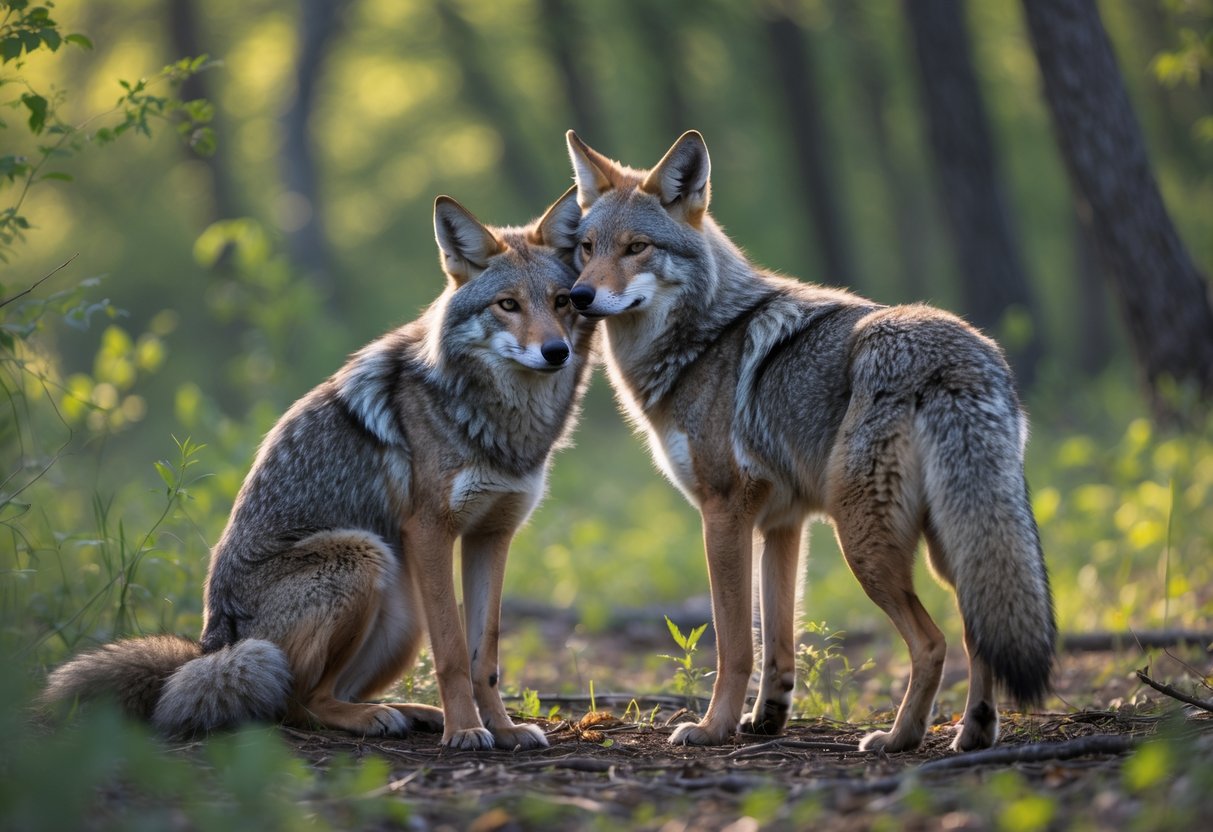
It might seem odd or even awkward, but it’s just nature doing its thing. The tie helps make sure reproduction is successful.
While they’re locked together, coyotes are pretty vulnerable. They can’t easily move apart, which puts them at risk—something a lot of wild animals deal with during mating.
If you’re curious about what goes on during coyote mating season, which runs from January to March, this behavior is a big part of it. Want to know more about how the tie works and why it matters? Let’s dig in.
Do Coyotes Tie When Mating?
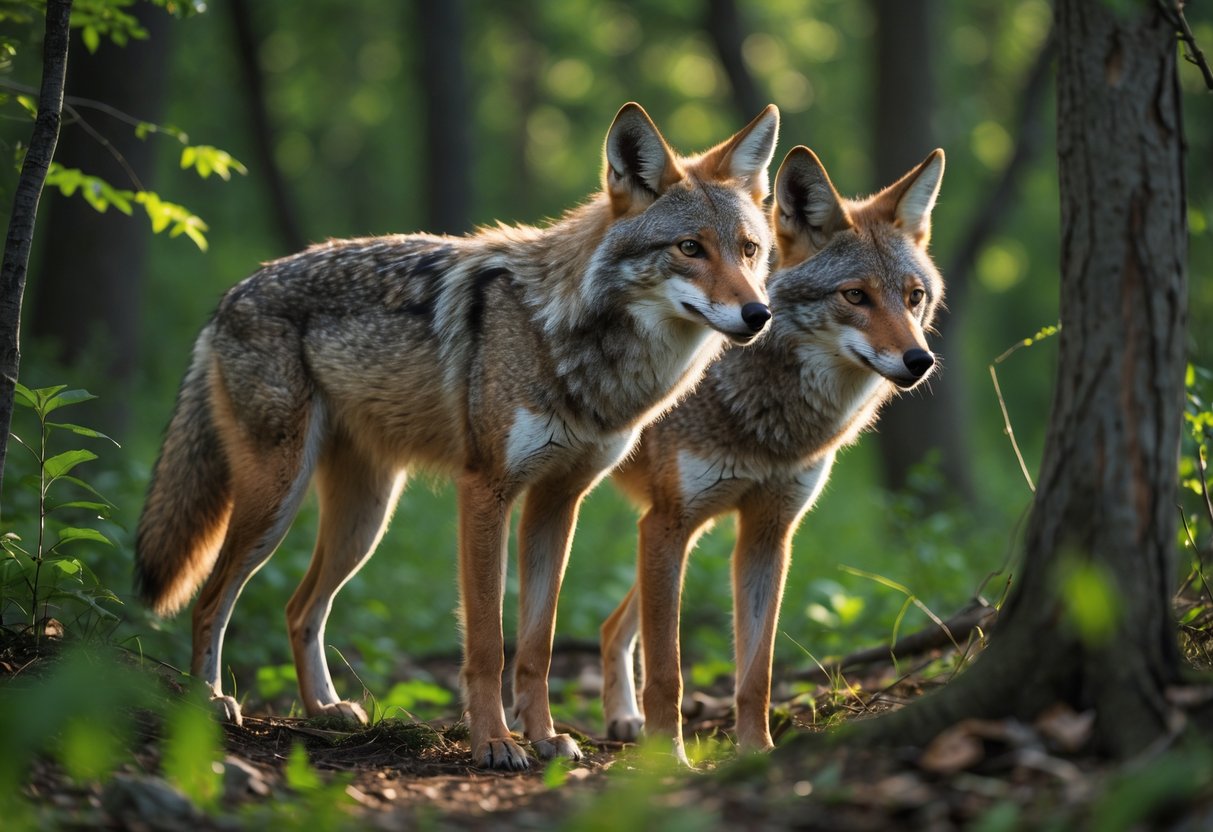
When coyotes mate, they go through a process where they physically connect for a while. This connection, called a tie, really matters for their ability to reproduce.
Let’s break down what the tie is, how it works, and how it compares to other animals like dogs and wolves.
What Is the Tie in Coyote Mating?
A tie happens when a male and female coyote lock together back-to-back during mating. The male’s penis swells inside the female, so they stay physically joined.
This tie keeps them together while sperm is transferred and helps make fertilization more likely.
The tie starts right after the male mounts the female and copulation begins. It’s just part of normal coyote courtship.
You might notice they stay this way for quite some time. That’s different from a lot of other animals, where mating is much quicker.
Comparison to Other Canids’ Mating Behaviors
Coyotes aren’t alone in this. Domestic dogs and wolves also experience the tie during mating.
The tie helps all these animals align for sperm transfer, which boosts the chances of pregnancy.
Not every canid ties for the same length of time, though. Coyotes usually stay locked for about 15 to 20 minutes, which is pretty similar to domestic dogs.
Wolves tie too, but the duration can change depending on the situation.
In every case, the tie helps the male’s genes get passed on and keeps the female from immediately mating with someone else.
Duration and Purpose of the Tie
Coyotes usually stay tied for 10 to 20 minutes. While locked, they either stand or sit with their backs touching.
The bulbus glandis, a part of the male’s anatomy, swells and causes the lock.
The main goal? Increase the chances of pregnancy. Staying connected gives the male’s sperm the best shot at reaching the female’s eggs.
The tie also stops other males from sneaking in to mate right after.
Implications for Coyote Vulnerability During the Tie
The tie definitely leaves coyotes open to danger. For about 15 to 20 minutes, they can’t separate quickly to escape.
Predators or other threats could take advantage of this, which seems like a risky tradeoff.
Coyotes usually pick safe, sheltered spots for mating—places where they’re less likely to get ambushed. They stay cautious before and after mating, just in case.
It’s kind of wild how nature puts so much focus on reproduction, even when it puts animals at risk.
Want to learn more? Check out this detailed study on coyote mating.
Coyote Mating Season and Behavior

Coyotes mate once a year during a specific season. Around this time, they get more active and vocal.
You might hear more yips and howls, and they mark their territory more than usual. If you know what to look for, you can keep yourself and your pets safer.
Timing and Signs of Coyote Mating Season
Coyote mating season runs from mid-January through early March. During these weeks, you’ll probably hear more yipping, howling, and barking.
Coyotes use these sounds to find mates and warn others away. You might also spot pairs spending extra time together.
Coyotes form strong pair bonds and usually stick together until their pups are born in spring. If you see more scent marking or coyotes roaming near boundaries, the season is probably in full swing.
Changes in Coyote Activity During Mating
Coyotes get bolder and more active when it’s mating season. Sometimes you’ll even see them out during the day.
Males patrol their territory more aggressively to keep rivals away. During mating, the male and female perform a “tie,” staying locked together for anywhere from 5 to 45 minutes.
This lock boosts the odds of successful breeding. Coyotes might mount several times before the tie actually happens.
Their routines shift a bit—hunting and socializing become less important than reproduction.
Coyote Sightings and Territoriality
Coyotes mark their territory with urine and feces, especially during mating season. This keeps other coyotes from intruding.
If you notice more coyote sightings, it probably means they’re defending their area. You’ll likely spot them near forest edges, parks, or open spaces that serve as territories.
They get most vocal at dawn and dusk, when they’re out patrolling. Their drive to protect mates and pups makes them extra territorial, so it’s smart to be a bit more careful if you’re outside.
Strategies for Deterring Coyotes During Mating Season
If you want to avoid trouble with coyotes during mating season, try these practical moves:
- Remove food sources: Lock up your garbage and skip leaving pet food outside.
- Use hazing techniques: Make loud noises, flash bright lights, or just wave your arms around—coyotes usually don’t like any of that.
- Keep pets close: Always walk your pets on a leash. Letting them wander, especially early in the morning or at dusk, isn’t worth the risk.
- Clear brush: Trim back thick brush and get rid of places where coyotes could hide near your home.
Honestly, just staying aware of what coyotes are up to can make a big difference. If you want more tips on handling coyote encounters, check out coyote mating season.


