
Rabbits are friendly and social creatures that thrive on companionship. You may wonder how they choose their favorite person. Rabbits often pick their favorite based on trust and comfort, which develops from shared experiences like playtime and gentle handling.
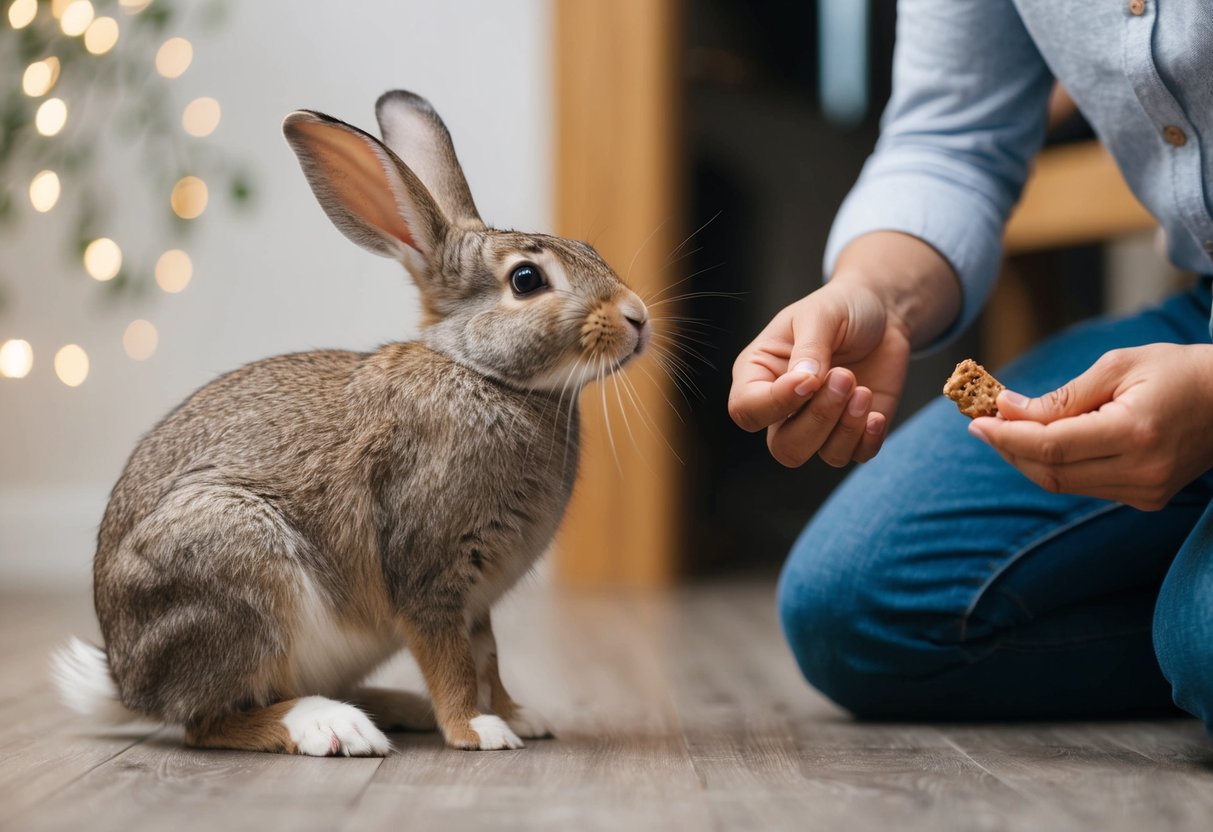
When a rabbit feels safe and happy with you, it may show affection through behaviors like chinning or following you around. These actions indicate a strong bond between you and your rabbit, making it clear that you hold a special place in their heart.
Understanding these signs can deepen your relationship and enhance your time spent together.
Exploring the reasons behind a rabbit’s choice can be fascinating. It can help you strengthen the rabbit-human bond and create an environment where your furry friend feels loved and secure. Get ready to learn how to become your rabbit’s favorite person!
Understanding Rabbit Behavior

Rabbits are social creatures, and understanding their behavior is key to forming a strong bond with them. You can find signs of affection and learn how they express themselves, which helps you connect better.
Social Behaviors and Affection Signs
Rabbits show affection in various ways. One common sign is grooming. If your rabbit licks you, it’s a way of showing love and care.
Another sign is head bumping. When a rabbit nudges your hand or leg, it’s asking for attention or affection.
Chinning is also important. Rabbits have scent glands under their chins and will rub their chin on you or objects they like. This behavior indicates they see you as part of their family.
Spending time together is crucial, as it builds trust and strengthens your bond.
Body Language and Communication
Rabbit body language tells you a lot about how they feel. A relaxed rabbit will lie flat on its belly or flop over. If your rabbit is thumping, it’s alerting you to danger or is unhappy.
Tail movements can also be telling. A wagging tail often indicates excitement or playfulness. If your rabbit’s ears are perked up, it means they are curious or engaged.
Observing these cues allows you to respond appropriately and engage with your rabbit in a way they appreciate.
Rabbit Behavior with Humans
Rabbits can form deep connections with their human caregivers. Each rabbit has its own personality and may bond with one person more than others. Spending daily time with your rabbit can help establish this bond.
Engaging in activities like gentle petting or playing encourages trust. Remember, patience is key. Some rabbits may take longer to warm up. Understanding their unique behavior will help you create a nurturing environment where they feel safe and loved.
Creating a Bond with Your Rabbit

Building a strong bond with your rabbit involves understanding their needs and preferences. You can create trust and comfort while also engaging in fun activities together. Fostering consistent care and interaction will help deepen your companionship.
Establishing Trust and Comfort
Trust is essential for a happy rabbit and human relationship. You can help your rabbit feel safe by allowing them to approach you on their own terms.
Sit quietly, and let them explore their space. Gently pet your rabbit when they show signs of readiness. Use a soft voice and provide treats as positive reinforcement.
Regularly spending time together will help your rabbit see you as a trusted companion.
Avoid sudden movements or loud noises, as these can startle your rabbit. Gradually, they will learn to associate you with comfort and safety.
Consistent Care and Interaction
Consistency is key when it comes to caring for your rabbit. Establish a daily routine for feeding, cleaning, and playtime.
This predictability helps your rabbit know what to expect from you. Making time for regular interaction is important too.
Spend at least 15 to 30 minutes each day with your rabbit. This helps to reinforce your bond and shows them that you are a reliable presence.
Be mindful of rabbit body language. This will help you respond appropriately to their needs, whether it’s for affection or alone time. When they feel understood, they are more likely to form a strong bond with you.
Bonding Activities and Training
Engaging in bonding activities is a fantastic way to connect with your rabbit. Simple games like hide and seek or gentle chasing can be fun for both of you.
Consider teaching your rabbit basic commands through training. Using positive reinforcement, like treats, encourages your rabbit to participate.
Start with short sessions to keep them focused and interested. You can also enrich their environment with toys or tunnels. These create stimulating experiences that enhance your rabbit’s happiness.
Encouraging exploration allows you to bond while keeping their curious nature active.
Recognizing Affection from Rabbits

Rabbits show affection in distinct ways. By understanding these signs, you can strengthen your bond and create a happier environment for your furry friend. Pay attention to their behavior to know when they feel a special connection with you.
Signs of Rabbit Affection
Rabbits often express their feelings through various behaviors. One clear sign is nudging. When your rabbit nudges you with their nose, it means they seek your attention or want to be close.
Another sign is binkying, which is a joyful leap with twists in the air. If you see your rabbit binkying, they are likely happy in your presence.
Nuzzling is also common; when rabbits rub against you, it’s a sign of affection.
In addition, watch for your rabbit following you around. This shows that they enjoy being with you. Other signs include purring sounds and relaxed body language, indicating comfort and trust.
Grooming and Licking as Affection
Grooming and licking are strong signs of affection among rabbits. When your rabbit licks you, it’s akin to a small kiss! This behavior indicates trust and a desire to bond.
Sometimes, rabbits groom each other as a way to show love. If your rabbit licks or gently pulls at your clothes, they may see you as part of their family.
This can also happen after you’ve spent quality time together. Keep in mind that grooming can be a way for your rabbit to mark you with their scent. This shows their comfort and attachment to you as their favorite person.
Understanding these signs of affection can help you better connect with your beloved pet.
Enriching Rabbit Environments
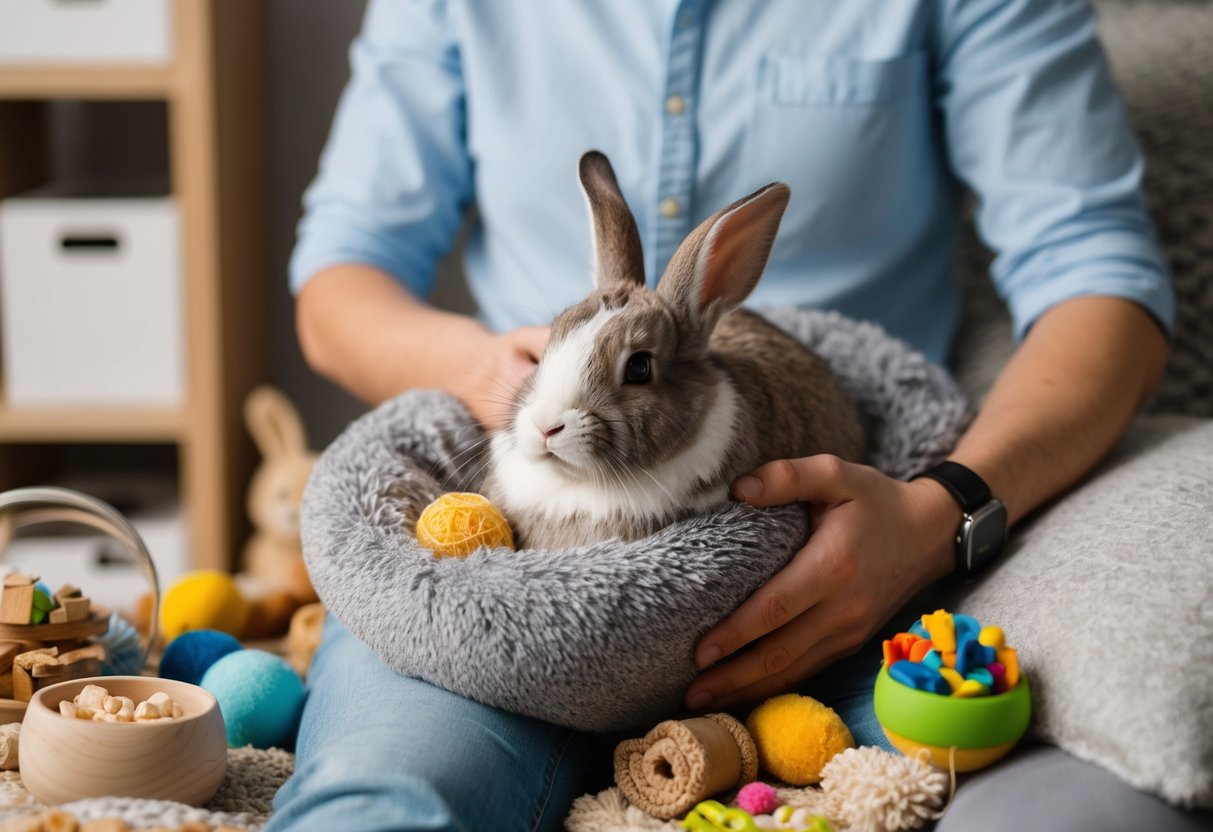
Creating a stimulating environment for your rabbit is important for their happiness and development. You can do this by focusing on safety, quality time, and the right toys and treats. These elements help strengthen the bond between you and your furry friend.
Safe Environment and Quality Time
Your rabbit needs a safe space where they can explore and play. Start by securing the area, removing any hazards like wires or toxic plants. Use baby gates to create a rabbit-proof zone.
Spending quality time with your rabbit is also essential. Sit close and allow them to come to you. Playing together can include gentle petting or quiet time on the floor.
This encourages trust and comfort. Regular interactions can help build a strong bond, making your rabbit feel loved and secure.
Providing Rabbit-Safe Toys and Treats
Choosing the right toys is vital for your rabbit’s mental stimulation. Look for rabbit-safe options like wooden chews, soft balls, or tunnels. Avoid anything with small parts that could be swallowed.
You should also consider treats to enrich their diet. Use rabbit-safe treats like small pieces of fresh veggies or herbal snacks. Introduce these slowly to prevent tummy issues.
Treats can promote positive interactions when given during playtime or training sessions. Enjoy watching your rabbit happily explore their toys and enjoy their rewards!


