
If you’re a rabbit owner, you might wonder about what treats are safe for your furry friend. Yes, bunnies can eat tomatoes, but only in moderation and under certain conditions. These juicy fruits can be a delicious addition to your rabbit’s diet, but it’s important to know how to feed them safely.
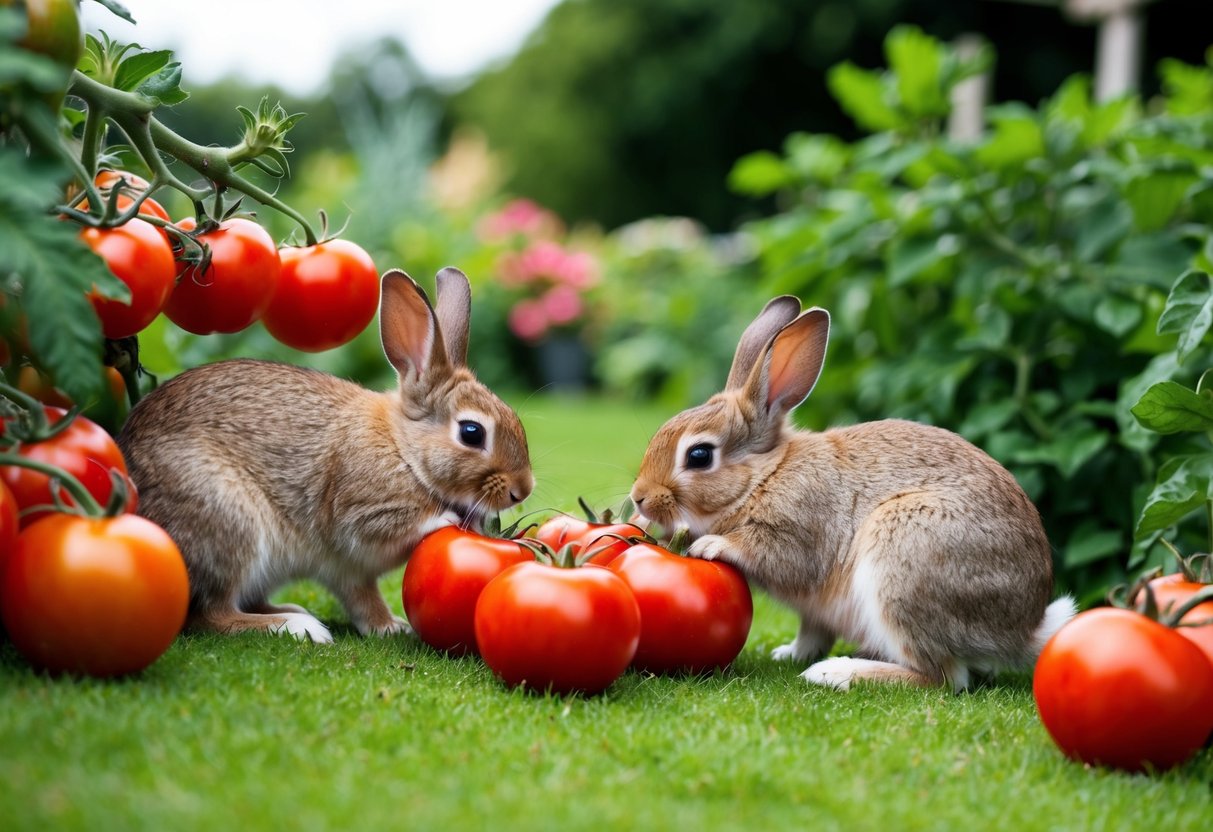
When considering tomatoes for your pet, remember that not all parts of the plant are safe. You should only offer the ripe fruit, while avoiding the green parts, as they can be toxic to rabbits. Ensuring your bunnies have a balanced diet is key for their health, so keep tomatoes as an occasional treat rather than a staple food.
As you explore the benefits and risks of adding tomatoes to your bunny’s diet, you’ll find helpful tips to make the best choices for your pet’s nutrition.
With proper care and knowledge, you can keep your bunnies happy and healthy while satisfying their taste buds!
Understanding Rabbit Diet and Nutrition
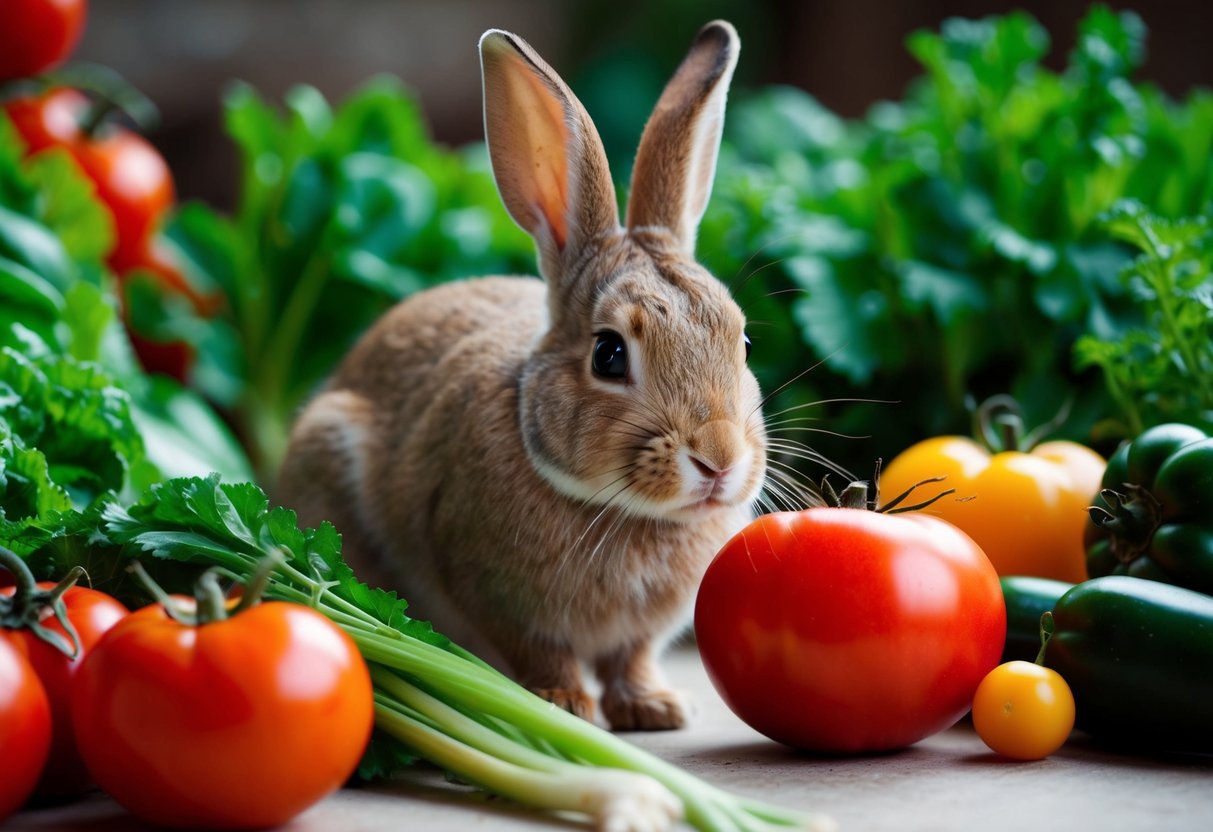
A well-balanced diet is essential for your bunny’s health. This section covers the main elements that contribute to a nutritious rabbit diet, focusing on fiber, the herbivorous nature of rabbits, safe vegetables and fruits, and the importance of hay and pellets.
Importance of Fiber for Rabbits
Fiber is crucial for your rabbit’s digestive health. It helps keep their gut moving and prevents gastrointestinal issues. Without enough fiber, your bunny may face severe health problems, such as bloating and diarrhea.
Aim for a diet where 70-80% consists of hay. The most recommended types are timothy, orchard grass, and meadow hay. These hays are not only rich in fiber but also help wear down your bunny’s continuously growing teeth.
Fiber also assists in nutrient absorption. When providing veggies and fruits, ensure they are high in fiber too. This contributes to better digestion and overall well-being.
Rabbits as Herbivores
Rabbits are strict herbivores, meaning their bodies are designed to process plant-based foods. This diet mainly consists of hay, fresh vegetables, and specially formulated pellets. Your bunny’s teeth and digestive system have evolved to break down tough plant material.
Feeding your rabbit animal protein or high-fat foods can lead to health risks. Stick to a plant-based diet to ensure your bunny is healthy and happy. Understanding that your rabbit requires various textures and types of foods will help you create a balanced diet.
Safe Vegetables and Fruits for Rabbits
When selecting vegetables and fruits for your rabbit, it’s essential to choose safe options. Leafy greens like romaine lettuce, kale, and cilantro are excellent choices. Other safe vegetables include bell peppers and carrots, but they should be given in moderation due to higher sugar content.
As for fruits, options like apples, strawberries, and blueberries can be provided as treats. Always wash fruits and veggies thoroughly before serving. Remember, treats should make up only about 10-15% of your bunny’s diet.
The Role of Hay and Pellets
Hay serves as the foundation of your rabbit’s diet. It should be accessible at all times. Pellets can complement hay, but they should be offered in limited amounts. Choose high-fiber pellets tailored to your rabbit’s needs.
Look for pellets with at least 18% fiber and low levels of protein and fat. This combination helps maintain a healthy weight and promotes digestion. Be mindful that too many pellets can lead to obesity.
Can Rabbits Eat Tomatoes Safely?
Feeding tomatoes to your rabbit can be a tasty treat, but there are important factors to consider. Knowing the benefits, risks, and proper portions can help you make the best choice for your pet.
Nutritional Benefits of Tomatoes for Rabbits
Tomatoes can offer several health benefits for your rabbit. They are packed with vitamins, especially vitamin A, which supports good vision and immune health. Tomatoes also contain antioxidants, which help protect against cell damage.
Moreover, the juicy fruit has some fiber that aids digestion. Incorporating fresh tomatoes into your rabbit’s diet can add variety. However, it is crucial to remember that tomatoes should only be an occasional treat, not a staple food.
The Risks of Feeding Tomatoes to Rabbits
While tomatoes can be tasty, they also come with risks. The green parts of the tomato plant contain harmful substances. Two key toxins are tomatine and solanine, which can cause health issues in rabbits.
These toxins can lead to digestive problems and other serious health concerns if consumed in large amounts. Always ensure you are feeding only the ripe red fruit, avoiding the stems, leaves, and unripe tomatoes.
Appropriate Tomato Portions for Rabbits
When feeding tomatoes to your rabbit, moderation is key. A good rule of thumb is to limit treats like tomatoes to about 10% of their daily diet. This helps prevent any digestive issues and maintains a balanced diet.
A small piece of fresh tomato, around the size of a cherry, is usually sufficient. Avoid large portions, as too much sugar from tomatoes can lead to obesity and other health problems. Always monitor your rabbit after introducing new foods.
Understanding Tomatine and Solanine in Tomatoes
It’s essential to understand the harmful compounds found in tomatoes. Tomatine is mostly found in the green parts of the plant and can affect your rabbit’s health negatively. Symptoms may include an upset stomach and lethargy.
Solanine is another toxic compound that exists in unripe tomatoes. Both toxins can impact a rabbit’s health if ingested. Ensure your rabbit only eats the ripe, red fruit to avoid these risks and provide a safe treat. Always wash tomatoes thoroughly before serving to your rabbit.
Feeding Practices for Bunnies

When it comes to feeding your bunny tomatoes, there are several important practices to keep in mind. Knowing which types are safe, how to deal with baby rabbits, and understanding potential reactions will help ensure your bunny’s health.
Types of Tomatoes and Their Safety
You can safely feed your rabbit small amounts of ripe tomatoes, including cherry tomatoes. These are more appealing and contain essential vitamins. However, avoid feeding your bunny unripe tomatoes and any part of the tomato plant, such as the leaves and stems. These parts contain solanine, which is toxic to rabbits.
When serving ripe tomatoes, consider offering seedless varieties. Tomato seeds can cause digestive issues in some rabbits. Always wash tomatoes thoroughly to remove any pesticides before giving them to your pet. Moderation is key; limit this treat to once or twice a week.
Considering Baby Rabbits and Their Diets
Baby rabbits, or kits, have different dietary needs than adult rabbits. Their stomachs are still developing, so it’s best to be extra cautious with any new foods. Ripe tomatoes can be given, but only after they reach around 12 weeks of age, and it should be in very small amounts.
For baby bunnies, hay and a specialized pellet diet should be the focus until they are older. If your kit shows any signs of digestive upset after trying tomatoes, it’s best to remove them from their diet entirely. Always introduce new foods gradually to avoid upsetting your bunny’s stomach.
The Importance of a Vet’s Dietary Advice
Consulting with your vet is crucial when it comes to your bunny’s diet. They can help you determine the right amount of tomatoes to give based on your rabbit’s age, weight, and health. A vet can also give specific recommendations tailored to your pet’s needs.
Additionally, your vet can provide insights into any other fruits or vegetables that are safe for your bunny. Regular check-ups will ensure that your rabbit stays healthy, especially if you decide to introduce new treats like tomatoes.
Identifying Allergic Reactions and Digestive Problems
Always watch for signs of allergies or digestive issues when introducing tomatoes. Symptoms like diarrhea, bloating, or changes in appetite can indicate a problem. If you notice any of these signs after feeding your rabbit tomatoes, stop feeding them immediately and consult your vet.
Every rabbit is different. Some may enjoy tomatoes without issues, while others might not tolerate them well. Keeping a close eye on how your bunny reacts to new foods helps maintain their health and happiness.
Stay informed about what works for your pet, and always prioritize their well-being.


