
If you’re considering adding a furry friend to your home, you might wonder, “How long do pet rabbits live?” The average lifespan of pet rabbits is between 8 and 12 years. Understanding how long your future pet might live is important for planning and care. Rabbits can be delightful companions, and knowing their lifespan helps you ensure they have a happy and healthy life.
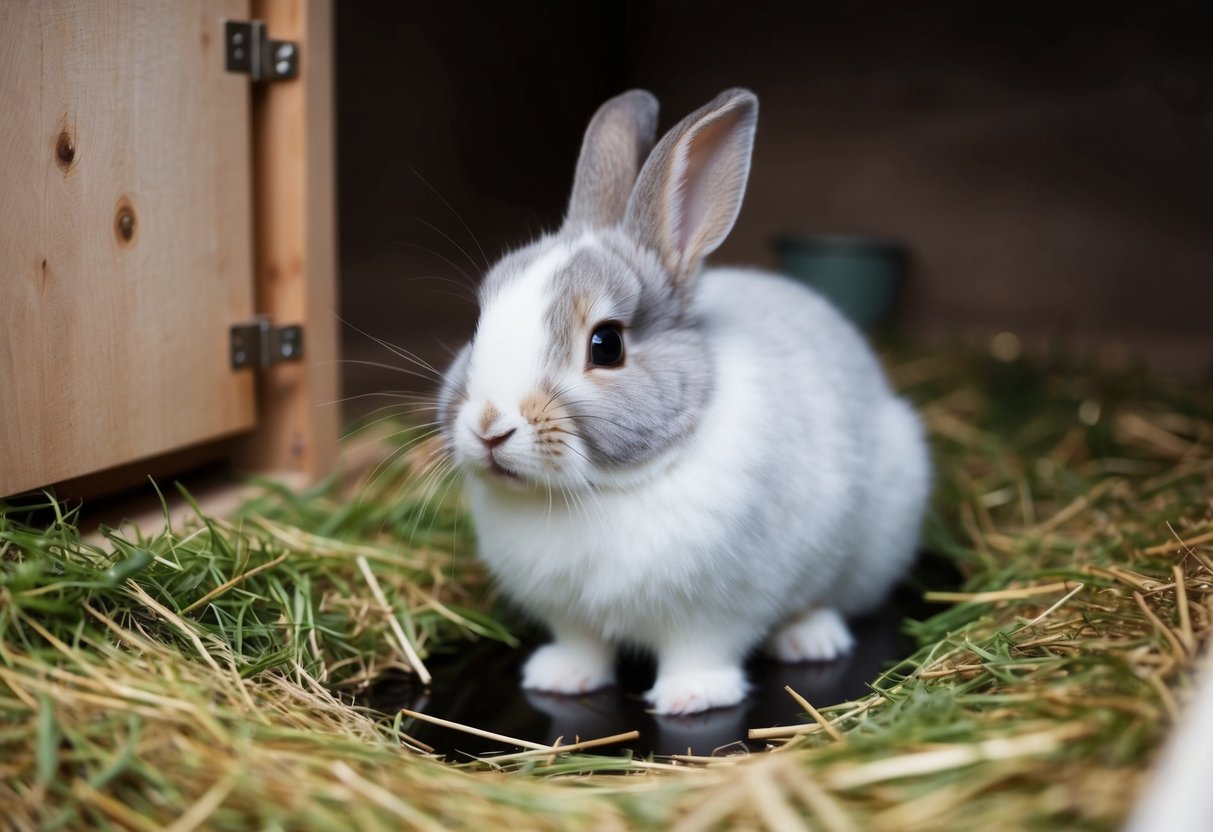
Different breeds can affect how long your rabbit lives. For instance, smaller breeds like Holland lops often live longer than larger ones like Flemish giants. You’ll want to think about your rabbit’s diet, environment, and medical care since these factors play a big role in their lifespan.
By choosing the right breed and caring for them well, you can enjoy many years with your pet rabbit. Exploring the factors that influence their lifespan can help you make the best decision for your new friend and prepare for their needs over time.
Understanding Rabbit Lifespan

When you care for a pet rabbit, it’s important to know how long they might live. Several factors can affect their lifespan, and different breeds can have varying life expectancies. Understanding these details helps you provide the best care for your bunny companion.
Factors That Influence Lifespan
The lifespan of your rabbit can depend on a few key factors. First, diet is crucial. A balanced diet with hay, fresh vegetables, and limited pellets promotes health.
Second, housing matters. Indoor rabbits tend to live longer than outdoor ones. Indoor pets are safer from predators and harsh weather.
Stress levels are also important. A calm and comfortable environment helps reduce anxiety. Regular veterinary check-ups can catch health issues early, enhancing your rabbit’s life.
Because of these factors, many pet rabbits live between 7 to 12 years, but some can reach even longer ages with proper care.
Lifespan Variations Among Rabbit Breeds
Different rabbit breeds can have different lifespans. For example, dwarf breeds, like Holland Lops, often live around 10 to 12 years.
On the other hand, larger breeds, such as Flemish Giants, usually have shorter lives, averaging just 8 to 9 years.
Most pet rabbits, if well-cared for, can live between 5 to 12 years, whereas wild rabbits typically only reach 1 to 2 years due to predators and harsh conditions. The oldest recorded rabbit lived over 16 years!
When choosing a breed, consider these lifespan differences along with your lifestyle and care routines to ensure your furry friend lives a happy, long life.
Optimal Care for Longevity

To help your pet rabbit live a long and healthy life, focus on their diet, exercise, and proper living conditions. Each aspect plays a crucial role in their well-being and lifespan.
Proper Nutrition and Diet
A balanced diet is essential for your rabbit’s health. Offer high-quality hay as the main part of their diet. Hay provides fiber, which aids digestion and keeps their teeth healthy. Fresh vegetables like leafy greens should make up a significant portion of their diet as well.
Limit treats to only occasional small amounts of fruits to avoid obesity. Always provide fresh water daily. Establish a routine to maintain their diet. Good nutrition can help prevent health issues and support a longer life.
The Importance of Spaying and Neutering
Spaying and neutering your rabbit can significantly impact their health. These procedures help prevent certain cancers and reduce aggressive behaviors.
By spaying female rabbits, you lower the risk of uterine cancer, which is common in unspayed females. Neutering male rabbits can help minimize hormonal behavior and territorial aggression.
These surgeries also contribute to a calmer pet, making socialization easier. Consult your veterinarian for the right timing and aftercare for these procedures.
Regular Exercise and Mental Stimulation
Daily exercise is vital for your rabbit’s physical and mental health. Provide a safe area for them to hop around and explore.
Aim for at least 2-3 hours of exercise outside their hutch each day. This can be indoors or in a secure outdoor space. Use tunnels, boxes, and toys to create an engaging environment.
Mental stimulation is just as important. Introduce puzzle toys or hide treats in their living space. These activities keep your rabbit active and prevent boredom, which can lead to destructive behavior.
Housing and Safety
Your rabbit’s living conditions must be safe and comfortable. Indoor rabbits thrive in spacious areas with plenty of room to move around.
Ensure they have a cozy space for resting and a clean litter box. Use rabbit-safe materials to avoid harmful substances. If your rabbit is outdoors, provide a sturdy hutch with protection from predators and harsh weather.
Safety is key. Regularly check their area for hazards like wires or toxic plants. Proper housing will keep your rabbit secure and happy, contributing to a longer life.
Health and Wellness
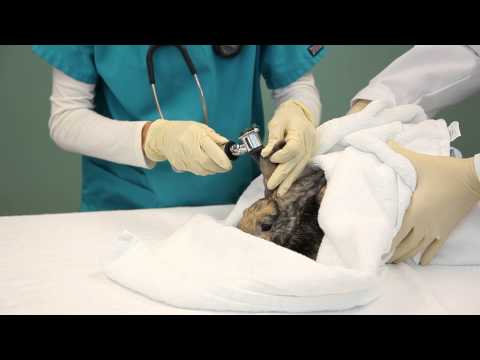
Keeping your rabbit healthy is key to a long and happy life. By understanding common health issues and ensuring proper veterinary care, you can help your pet thrive.
Common Health Issues in Rabbits
Rabbits can face several health problems. Some of the most common issues include:
-
Dental Problems: Rabbits’ teeth grow continuously. If they don’t wear down properly, it can lead to painful dental disease.
-
Gastrointestinal Stasis: This condition stops the digestive system and can be serious. It often results from diet changes or lack of fiber.
-
Obesity: Many rabbits become overweight if not given enough exercise or proper diet. This can lead to other health issues.
-
Respiratory Infections: Rabbits can catch diseases easily from poor living conditions. Signs include sneezing, runny nose, and lethargy.
Regularly check your rabbit for any signs of illness. Weight management and proper diet can prevent many issues.
Veterinary Care and Checkups
Routine veterinary care is vital for rabbit health. Here are important points to remember:
-
Initial Vet Visit: Schedule a vet visit soon after bringing your rabbit home. They will check for any immediate health concerns.
-
Spaying or Neutering: Consider having your rabbit spayed or neutered. This can prevent health issues and help control behavior.
-
Annual Checkups: Take your rabbit for yearly vet visits. These checkups can spot problems early before they become serious.
-
Vaccinations and Treatments: Keep your rabbit’s vaccinations up to date. Your vet might recommend treatments for parasites and other health risks.
Being proactive about your rabbit’s health and wellness ensures they live a long and happy life.
The Social Life of Rabbits

Rabbits are truly social animals. They thrive on interaction, both with other rabbits and with you. If you have a pet rabbit, providing companionship is important for their happiness.
Rabbits are prey animals. In the wild, they live in groups for safety. This instinct leads them to seek out friendships even in a home environment. Your rabbit may enjoy the company of other rabbits, so consider adopting a pair if possible.
Social interaction can help keep your rabbit mentally stimulated. They love to play and explore with their friends. You might see your rabbit grooming another rabbit or hopping around together, which shows they feel safe and happy.
As house pets, rabbits need your attention too. Spending time petting or playing with your rabbit can help strengthen your bond. Make sure to give them a cozy space where they can feel secure.
Here are some ways to enrich your rabbit’s social life:
- Provide a buddy: If you have space, consider getting a second rabbit.
- Playtime: Allocate time daily for interactive play.
- Safe exploration: Let your rabbit explore new areas in your home.
By fostering a social environment, you help your rabbit live a joyful and fulfilled life. Remember, the more love and attention you give, the happier your furry friend will be!


