
Knowing when your dog is ready to sleep in his own bed can be a big step for both of you. You might wonder if your puppy is ready to transition from the crate to a comfy bed.
Look for signs of comfort and confidence, like your dog being able to relax and stay calm away from the crate.

You should also pay attention to how well your dog is sleeping at night. If he seems settled and sleeps through the night without needing to go out frequently, that’s a good indicator he may be ready for this new change.
Watching your dog’s behavior closely will help you make the best decision for his comfort.
Getting your dog accustomed to a new sleeping space can take time, but understanding his needs will make the transition smoother. When the moment feels right, a cozy dog bed will help him feel secure and happy in his new sleeping spot.
Understanding Dog Sleep Patterns

Dogs have unique sleep patterns that can help you gauge when they are ready to settle down in their bed. By paying attention to their behaviors and understanding the influence of their breed size, you can create a more comfortable environment for their rest.
Signs of Sleep Readiness in Dogs
You might notice several signs that indicate your dog is ready for sleep. These can include:
- Yawning: Just like us, dogs yawn when they feel tired.
- Finding a Cozy Spot: If your dog starts to circle or nest in their bed, it’s a clear sign they want to sleep.
- Droopy Eyes: Watch for their eyelids becoming heavy or drooping.
Other behaviors may include pacing, licking their lips, or seeking out a quiet place. If your dog seems less active or suddenly slows down, it might be time for a nap. Being attentive to these signs can help you understand their sleep needs better.
Influence of Breed Size on Sleep Requirements
The breed size of your dog influences how much sleep they typically need. Small breeds tend to require more sleep than larger breeds. For example:
- Small Breeds: Dogs like Chihuahuas and Dachshunds can sleep up to 18 hours a day.
- Medium and Large Breeds: Breeds like Labrador Retrievers usually need around 12-14 hours of sleep.
These differences often result from energy levels and metabolism. Smaller dogs may play less vigorously and need extra rest. Understanding these differences means you can adjust their sleeping arrangements accordingly.
Creating a Comfortable Sleep Environment
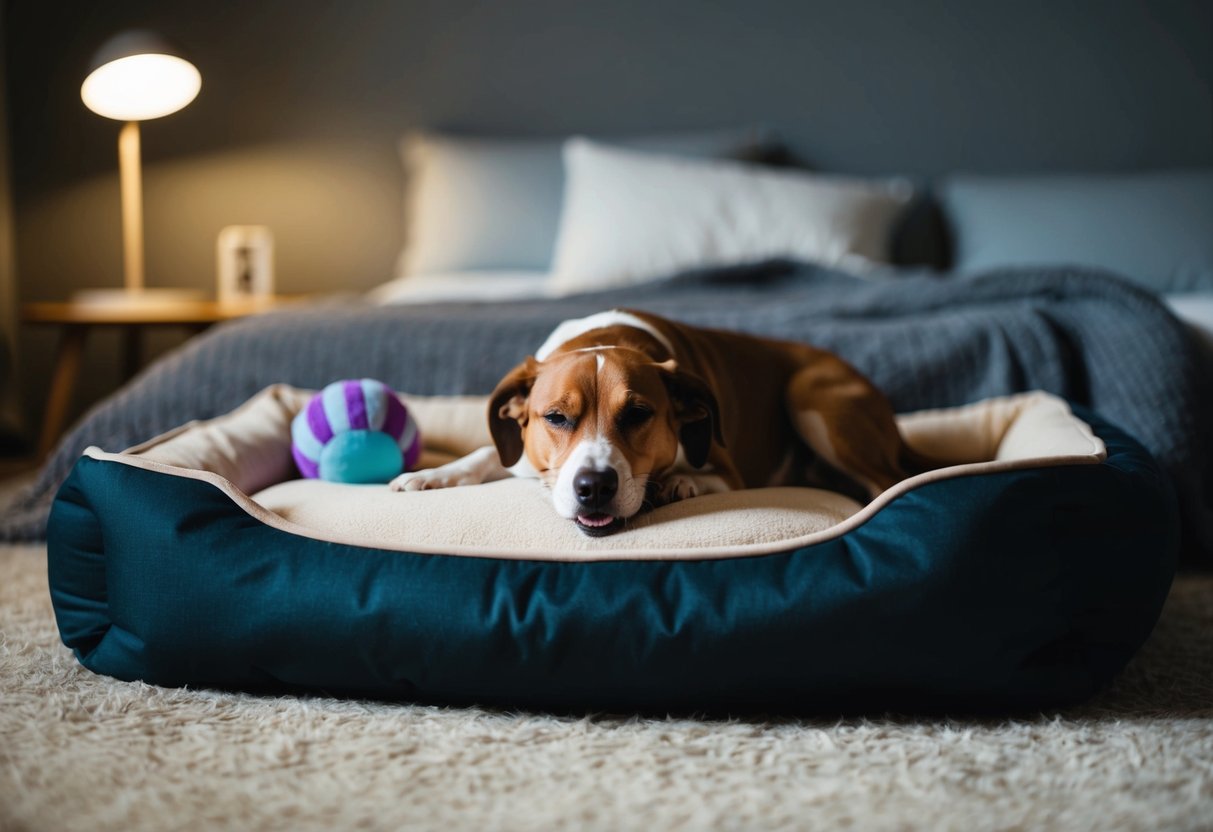
Creating a cozy sleep space for your dog is important for their well-being. A comfortable dog bed and the right placement can help your pet feel secure and ready to sleep soundly.
Choosing the Right Dog Bed
When picking a dog bed, comfort is key. Look for a bed that offers support for your dog’s size and sleeping style.
- Size: Make sure the bed is big enough for your dog to stretch out.
- Material: Choose a quality dog bed made from soft, durable materials.
- Support: Beds with memory foam or orthopedic support can help older dogs or those with joint issues.
Check if it’s washable too. A clean bed promotes good health and comfort if your dog is prone to allergies or dirt.
Placement of Dog Bed
Where you place your dog’s bed matters just as much as the bed itself.
- Quiet Area: Find a spot away from high-traffic areas. This helps minimize noise and distractions.
- Temperature: Avoid placing the bed near drafts or heating vents. A stable temperature creates a cozy sleeping environment.
Consider natural light and dimness too. A room with blackout curtains can help your dog sleep better by reducing glare.
Training Your Dog to Sleep in His Bed

Training your dog to sleep in his own bed is an important step for building his independence. Using positive reinforcement techniques can make this process smoother. Establishing a consistent routine will help your dog know what to expect during bedtime.
Introducing the Bed to Your Dog
Start by introducing your dog to his bed in a positive way. Place the bed in a quiet area where he feels comfortable. Use treats to encourage him to explore it. You can say “go to bed” or similar phrases while guiding him.
Make the bed inviting by adding a favorite blanket or toy. This helps him associate the bed with comfort. If your dog approaches the bed, give him lots of praise. Continue this process until he feels secure and willing to lay down.
Utilizing Crate Training Techniques
If you have crate-trained your dog, use that knowledge to help him feel safe in his bed. Crate training teaches your dog that his space is secure. You can place the bed near the crate to help him make a connection between the two.
When he shows interest in the bed, reward him with treats or affection. This positive reinforcement helps him learn that the bed is a good place. Remember, don’t force him to go there. Allow him to enter and exit freely to maintain a sense of control.
Establishing a Bedtime Routine
Creating a consistent bedtime routine is key. Start winding down about the same time each evening. This signals to your dog that it’s time to settle down.
You might enjoy a short walk before bed, then allow some quiet time. This helps him relax. Use the same commands consistently, such as “time for bed.”
As he adjusts, follow through with encouraging him to go to his bed. Use treats and praise when he follows through. Sticking to this routine helps him understand that bedtime is important and builds trust.
Addressing Possible Challenges
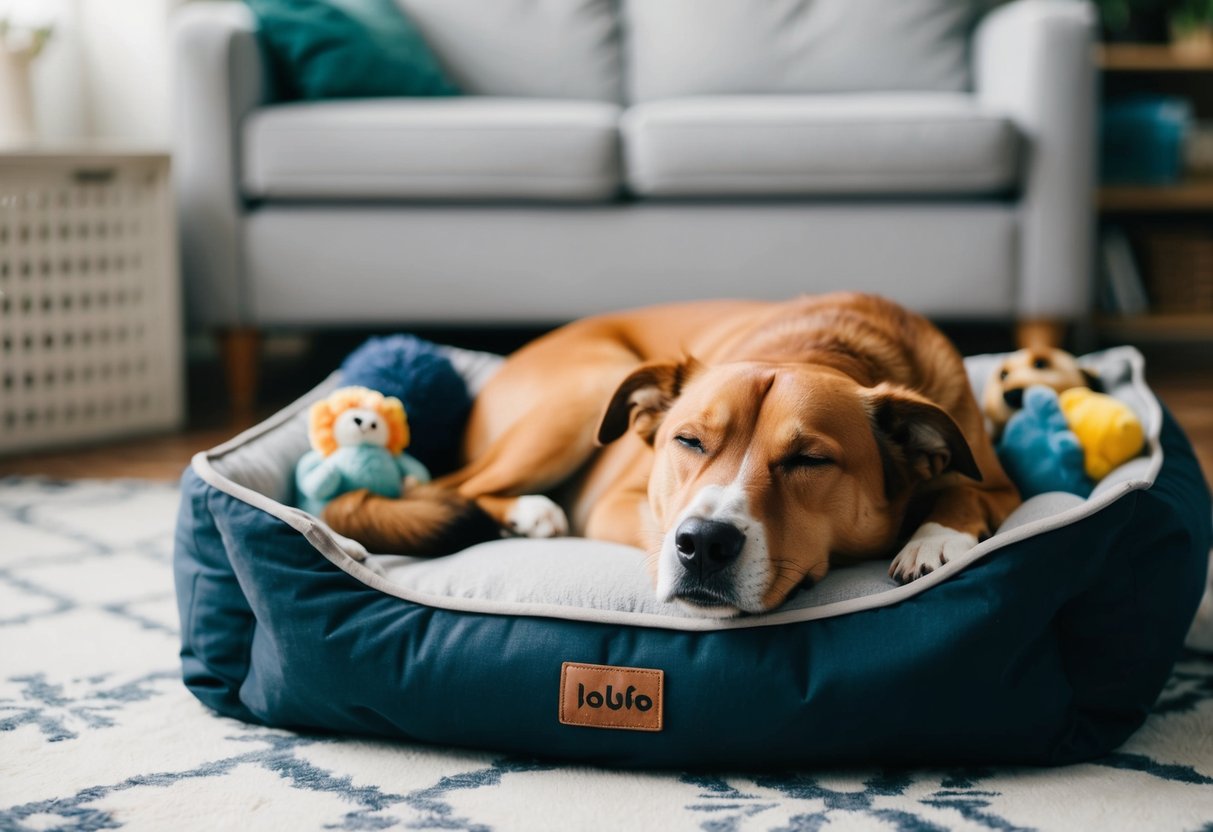
Transitioning your dog to sleep in his own bed may come with some challenges. You might face issues like separation anxiety or deal with accidents if your dog is still being potty trained. Here are some tips to handle these situations effectively.
Handling Separation Anxiety at Night
Separation anxiety can affect your dog when you start encouraging him to sleep in his own bed. To help ease his anxiety, create a comforting bedtime routine.
- Establish a consistent bedtime that makes it easier for him to know what to expect.
- Use calming sounds, like soft music or white noise, to soothe him.
- Place his bed near yours at first, gradually moving it further away as he gets more comfortable.
If he becomes anxious, try giving him a favorite toy or blanket to provide comfort. Rewards and positive reinforcement will also help him associate his bed with safety and comfort.
Dealing with Accidents for Puppies
If you’re potty training your puppy, accidents can happen as he adjusts to sleeping in his own bed. To minimize these incidents, consider the following:
- Take your puppy outside for a bathroom break before bedtime. This ensures he empties his bladder and reduces nighttime accidents.
- In the early stages of training, use a puppy pad near his bed. This option gives him a place to go if he can’t hold it.
- Remain patient and never punish him for accidents. Instead, clean up calmly to avoid creating anxiety around potty training.
Using these methods helps your puppy understand appropriate bathroom behavior while he transitions to sleeping independently.


