
Many dog owners wonder about the emotional health of their pets, especially when it comes to feelings of loneliness. Huskies can experience separation anxiety, which means they may become distressed when left alone. This condition can lead to various behaviors that are not only hard for you to manage but can also be stressful for your furry friend.

Understanding how separation anxiety manifests in Huskies is essential. You might notice signs such as excessive barking, destructive chewing, or even refusal to eat.
Recognizing these behaviors can help you provide the necessary support your Husky needs when it comes to feeling secure in their environment.
If you suspect your Husky suffers from separation anxiety, there are many ways to help. From establishing a routine to using special toys, you can take practical steps to ease your dog’s stress.
Keep reading to learn more about managing and reducing separation anxiety in Huskies, ensuring both you and your pet experience more peaceful moments apart.
Understanding Husky Separation Anxiety

Separation anxiety is a common issue for Huskies, often linked to their pack mentality. This condition can lead to various behaviors that indicate your dog is struggling when left alone. Recognizing these signs and understanding their causes can help you manage and support your furry friend.
Common Signs of Separation Anxiety in Huskies
When your Husky experiences separation anxiety, you may notice several signs. Excessive barking and howling are among the most typical behaviors. Your dog might become vocal as a way to express distress when you leave.
Destructive behavior is another red flag. This can include chewing furniture, digging, or scratching at doors. These actions often stem from stress or boredom, as the dog feels anxious when alone.
Other symptoms can include depression and a refusal to eat. If your dog tries to escape when you leave, that’s also a serious sign. These behaviors highlight your dog’s emotional state and need for companionship.
Causes of Anxiety in Huskies
The causes of separation anxiety in Huskies can vary. One major factor is their pack mentality. Huskies are social animals, and being apart from their owners can create fear or stress.
Changes in routine can also trigger anxiety. If you recently altered your schedule or moved to a new place, your Husky might struggle to adjust. Boredom can play a role too; if your dog lacks physical and mental stimulation, they may act out.
Additionally, past experiences—such as abandonment or trauma—can lead to lasting phobias. Understanding these triggers helps you identify what might be causing your dog’s anxiety, allowing you to provide the right support.
Prevention and Management Strategies
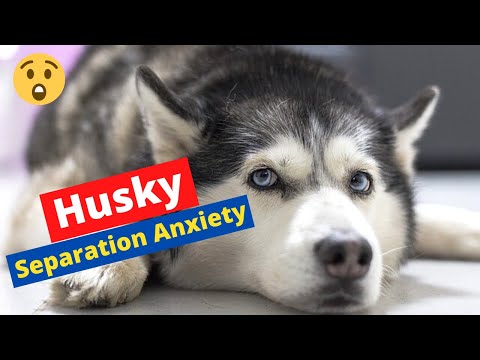
Managing separation anxiety in Huskies involves specific training techniques and creating a supportive environment. These approaches can help reduce stress for your dog and make your time apart easier for both of you.
Training Techniques to Reduce Anxiety
To help your Husky cope with separation anxiety, use positive reinforcement. Reward them with treats or praise when they show calm behavior when you leave. This builds a positive association with your departures.
Desensitization is another useful strategy. Gradually increase the time you leave your dog alone. Start with just a few minutes and slowly extend it.
Make sure to stay calm during this process. If you seem anxious, your dog will pick up on that energy.
Incorporate crate training in a positive way. Ensure it’s a comfortable space with soft bedding and favorite toys. This can give your Husky a safe spot while you’re away. Also, include puzzle toys to keep them mentally stimulated during your absences.
Creating a Supportive Environment
Establishing a consistent routine can greatly help your Husky feel secure. Regularly scheduled feeding and walking times create predictability. They thrive on knowing what to expect throughout the day.
You should also focus on providing plenty of exercise. A long daily walk or playtime in the yard can burn off excess energy. This helps reduce anxiety levels and improves their mood.
Consider enlisting a pet sitter if you are away for long periods. Having someone familiar can ease your dog’s anxiety. Socializing with other dogs is also beneficial. Interactions with other pets can provide mental stimulation and companionship while you’re not home.
When to Seek Professional Help

If your Siberian Husky shows signs of separation anxiety, it’s important to recognize when you need extra support. Professional help can make a significant difference for more severe cases.
Identifying Advanced Anxiety Issues
Look for signs that indicate your Husky might need professional intervention. Common indicators include excessive howling when you’re away. This behavior can disturb neighbors and signal distress.
Another red flag is if your dog is having bathroom accidents despite being house-trained. It could mean they are experiencing intense anxiety.
Be aware of self-injury, like chewing or scratching themselves due to stress.
Lethargy is also a concern. If your Husky seems uninterested in activities they once enjoyed, it’s time to seek help.
A veterinarian or dog behaviorist can provide guidance. They may recommend calming supplements or medications like fluoxetine to help your furry friend feel secure.


