
Leaving your dog alone for long periods can be a tough decision for any pet owner. Some people consider leaving a dog alone for eight hours cruel, as dogs are social animals and need companionship to feel secure. Many dogs experience anxiety and stress when left alone for too long, which can lead to behavioral issues.

You want your furry friend to be happy and healthy, and understanding their needs is key. While some dogs might manage okay for a full workday, most would benefit from shorter periods alone.
Exploring options like dog sitters, daycare, or even simpler routines can help ensure your dog stays happy and comfortable while you’re away.
If you’re wondering about the impact of leaving your dog alone, it’s essential to know the factors at play. Each dog is different, and recognizing their unique traits will help you make the best decision for your pet.
Understanding Canine Companionship and Separation Anxiety
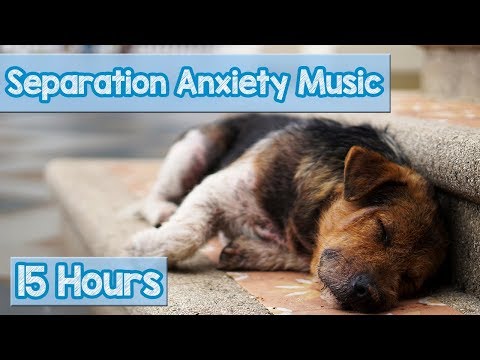
Dogs are social animals that thrive on companionship. When you leave them alone for long periods, it can lead to stress and behavioral problems like separation anxiety. Understanding these aspects can help you care for your furry friend better.
The Social Nature of Dogs
Dogs are pack animals and naturally seek companionship. They enjoy being with their owners and other pets. This social behavior is essential to their emotional well-being.
When left alone for too long, dogs can feel isolated and anxious. They might become bored and resort to destructive behaviors. You could notice chewing, barking, or digging when they are left alone too often.
Building a routine that includes playtime and training can help your dog feel secure. Providing toys that stimulate their minds can also keep them entertained while you’re away. Positive reinforcement for good behavior can strengthen your bond and reduce stress.
Separation Anxiety in Dogs Explained
Separation anxiety is a common issue for many dogs. It can cause significant stress and lead to various behavioral problems.
Symptoms may include excessive barking, destructive chewing, or attempting to escape. The American Society for the Prevention of Cruelty to Animals (ASPCA) notes that 20% to 40% of dogs may suffer from some form of this anxiety.
It’s vital to recognize the signs early. If your dog seems distressed when you leave or upon your return, they may be struggling with this issue.
Training methods can help reduce this anxiety. Gradually increasing the time you leave your dog alone can make them more comfortable. Create a calm environment with comforting items like blankets or a piece of your clothing to ease their stress.
The Impact of Extended Absence on Dogs

Leaving a dog alone for extended periods can affect their physical and emotional well-being. Understanding how this absence impacts their needs is crucial for ensuring your dog’s health and happiness.
Physical and Emotional Needs of Dogs
Dogs require regular exercise, social interaction, and mental stimulation. When you leave your dog alone for 8 hours, you may not meet these needs.
Without exercise, dogs may become restless. They can gain weight or develop health issues due to inactivity. Regular play and walks are important for maintaining their energy levels and health.
Emotionally, dogs thrive on companionship. Being left alone for long stretches can lead to feelings of loneliness. Dogs are social animals, and your absence can trigger anxiety.
Consistent routine can help mitigate this. Consider providing toys or activities that stimulate their minds while you are gone.
Behavioral Consequences of Prolonged Isolation
Extended isolation can lead to significant behavioral problems. Dogs may start showing signs of stress, which can manifest in various ways.
Common behaviors include destructive chewing, excessive barking, or even attempts to escape. These actions often stem from anxiety and boredom.
You might notice your dog becomes more clingy or nervous when you return. This is a sign of their emotional distress during your absence.
To prevent these issues, it’s important to gradually train your dog to be alone. Utilizing dog sitters or daycare can also be helpful if you must be away often.
Viable Alternatives to Leaving a Dog Alone

If you’re worried about leaving your dog alone for long periods, there are several good options to consider. Whether it’s hiring someone or looking into local services, you can find ways to ensure your furry friend stays happy and cared for.
Professional Care Options
One of the best ways to keep your dog company is to hire a professional. Here are some popular choices:
-
Dog Walkers: They can come to your home, take your dog for a walk, and provide some exercise and social interaction. This helps break up the long hours alone.
-
Pet Sitters: Pet sitters can stay with your dog, ensuring they receive attention, food, and companionship during the day. They can also help manage feeding schedules and bathroom breaks.
-
Doggy Daycare: This option offers a fun environment where your dog can play with other dogs. They get social interaction and physical activity, which is great for their well-being.
These professional options help ease your worries and keep your dog safe and happy.
Community-Based Support
Your community may have resources to help with pet care. Consider these local options:
-
Family and Friends: Reach out to family members or friends who may be willing to help take care of your dog. This can be a simple and free solution.
-
Neighborhood Pet Groups: Many neighborhoods have pet networks where you can find local dog lovers. They may offer services like dog walking or sitting in exchange for help with their pets too.
-
Apps and Websites: There are platforms where you can connect with dog walkers or pet sitters. Platforms like Rover or Wag! allow you to read reviews and find trusted individuals nearby.
These alternatives can provide your dog with companionship and care when you need to be away.


