
When bees keep buzzing around you, it can feel uncomfortable—sometimes even a bit nerve-wracking. Most of the time, though, they’re not out to get you. If you want to get rid of bees flying around you, try to stay calm, don’t make sudden moves, and gently guide them outdoors by opening a window or door if you’re inside.
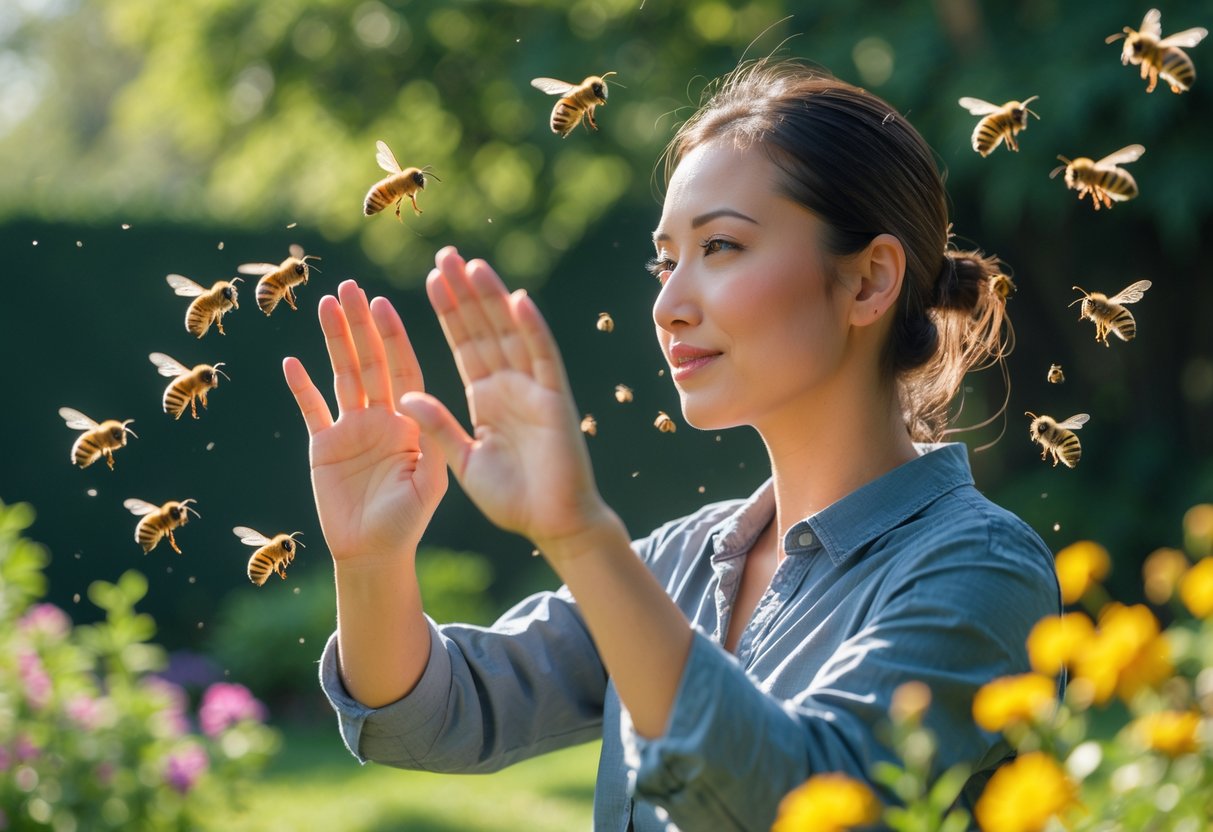
You can also use natural bee repellents like citronella or vinegar to keep them at bay. Try skipping strong perfumes or floral scents, and you might find bees less interested in you. If you understand why bees are attracted to you, you can stay safer—and avoid harming them.
Practical Ways to Keep Bees From Flying Around You

You’ve got a few easy ways to make bees less likely to buzz around you. Switch up your clothes, your snacks, and even your scents, and you’ll notice a difference. Some natural repellents and simple habits go a long way—and don’t hurt the bees.
Avoid Attracting Bees With Scents and Colors
Bees love strong smells and bright colors. Skip perfumes, scented lotions, or hair products—they tend to draw bees right in. Go for unscented or barely-there personal care products instead.
Bright clothes, especially yellow, white, blue, and anything floral, can catch a bee’s eye. If you wear neutral or darker colors, you’re less likely to stand out to them.
If you plant marigolds or other bee-repelling plants around your yard, you can keep bees away in a natural way. Bees don’t like citronella or lavender either, so those plants make a good soft barrier.
Minimize Exposure to Sweet Foods and Drinks
Bees can’t resist sugary foods and drinks. When you’re outside, don’t leave open soda, juice, or candy where bees might find them.
If you’re eating fruit or sweet treats, cover them up when you’re not taking a bite. Wipe up spills quickly—even a few drops can attract bees.
Using lids on your cups and plates keeps bees away from your food. If you’re hosting a picnic, try serving less sugary stuff or keep everything sealed up.
Wear Protective Clothing Outdoors
Wearing the right clothes actually helps keep bees away. Pick snug-fitting clothes instead of loose, flowy ones where bees could slip inside.
Tuck your pants into your socks or shoes to block off entry points. If you toss on a hat, especially one with a mesh face cover, you’ll protect your head and neck.
Skip sandals or open-toed shoes if you’re somewhere with lots of bees. Light colors are better than brights, but don’t go too flashy.
Use Natural Bee Repellents
Natural repellents can keep bees away without hurting them. Try vinegar, cinnamon, or essential oils like citronella or eucalyptus around your house.
Mix up simple sprays with water and a bit of these ingredients. Spray them around your outdoor hangout spots—just avoid spraying flowers.
Some plants, like marigolds, act as living repellents. Put them around your patio or yard, and you’ll create little no-bee zones. It’s a gentle way to keep your space bee-free and still help the bees out.
Curious about more natural ideas? Check out natural bee repellents.
Understanding Bee Behavior and Removal Solutions

Bees act pretty curious sometimes, especially when they pick up on scents or see movement. If you know why bees come close, how to spot different types, and how to deal with them safely, you can avoid stings and keep everyone safe. Sometimes, though, you might need a professional—especially if there’s a whole colony nearby.
Why Bees Are Attracted to People
Bees mostly come to people because of sweet smells. If you’re wearing floral perfume, scented lotion, or eating something sugary, bees might think you’re a flower. They also go for bright colors like yellow or red, which look a lot like the flowers they visit.
Sweating can bring bees over, too. They like the salt in sweat, especially on hot days. If you start swatting or moving fast, bees may get defensive, so it’s better to stay calm.
Recognizing Different Types of Bees
Knowing which bee is buzzing near you actually helps. Honey bees look golden and fuzzy, and they usually live in big colonies in hives. They don’t sting unless they feel threatened.
Bumblebees are bigger and rounder. They often make their homes underground or in hidden spots. Ground bees, like sweat bees, are smaller and usually not aggressive, but they can sting if you mess with them.
If you can tell which bee you’re dealing with, you’ll know how best to keep safe or what steps to take.
Safe Approaches for Removing Bees
If bees get too close, don’t wave your arms around. Just move away slowly.
Try using natural repellents, like citronella or mint plants, to keep bees from hanging out near you.
If you spot a hive near your home, don’t try to remove it yourself. Call a pro who can relocate the bees safely. That way, you protect yourself, the bees, and your property.
When to Contact Professional Bee Removal
So, you’ve noticed a beehive or a big group of bees buzzing around your place? Honestly, that’s when you should probably reach out to a bee removal specialist.
These pros know how to safely relocate honey bee colonies. They bring the right tools and experience to keep you safe from stings and, thankfully, avoid hurting the bees in the process.
If you or someone close to you has a bee sting allergy, don’t wait—get professional help right away. A lot of pest control companies just get rid of bees by killing them, but a real bee removal expert will actually focus on moving the bees safely.
That way, you solve the problem and the bees get to keep doing their thing somewhere else.
Need help? Try finding a local bee removal service.


