
When living in the harsh environment of the Arctic tundra, animals like the Arctic hare need to survive. These hares have various predators, including wolves, foxes, and birds of prey.
Arctic hares avoid predators by using their strong sense of smell, digging burrows, and relying on their seasonal camouflage to blend in with the snow.

As you explore the fascinating world of the Arctic hare (Lepus arcticus), you’ll find that their adaptations help them thrive in this icy habitat. During winter months, they even gather in groups to spot danger more easily.
By understanding their clever tactics, you can appreciate how these remarkable creatures navigate the challenges posed by predation.
Imagine the cunning maneuvers these hares employ! From creating shallow depressions in the snow to confuse predators to using their keen senses to detect threats, every detail matters in their quest for safety. Keep reading to discover more about how Arctic hares master the art of evasion in their frigid home.
Physical Adaptations for Survival

Arctic hares have unique physical features that help them survive in their harsh environment. These adaptations enable them to avoid predators effectively while staying warm and camouflaged.
Camouflage Through the Seasons
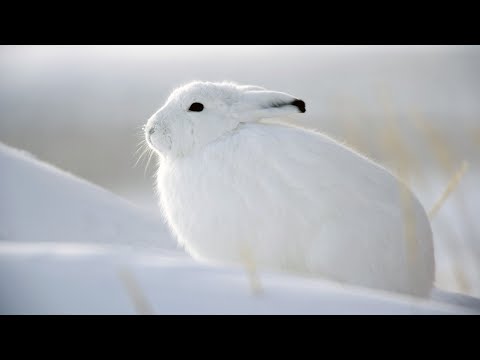
Camouflage is crucial for arctic hares. Their fur changes color with the seasons, allowing them to blend into their environment.
In winter, their coat is a pure, bright white, which matches the snow and ice.
When summer arrives, the fur shifts to a brown or grey color. This change helps them hide among rocks and tundra vegetation. A well-camouflaged hare is less likely to be spotted by foxes or other predators.
The ability to adapt their coat color is essential for survival, making it harder for predators to hunt them.
Insulating Qualities and Body Heat Retention
Staying warm is vital for arctic hares. They have a thick coat of fur that provides excellent insulation against the cold. This fur traps air, which helps retain body heat, especially in frigid temperatures.
In addition to their fur, these hares have a layer of body fat. This fat not only helps with insulation but also serves as an energy reserve during tough winter months.
Small ears minimize heat loss, as larger ears can release more body heat into the cold air.
These features work together, enabling arctic hares to thrive even when temperatures drop significantly.
Physical Characteristics That Aid in Escape
Arctic hares have strong, muscular legs that allow for quick escapes. They can reach speeds of up to 40 miles per hour when needed.
This incredible speed helps them evade predators quickly.
Their long hind legs also provide powerful jumps over obstacles. This agility makes it harder for predators to catch them.
In contrast to other hares, arctic hares have smaller ears. The reduced size helps prevent heat loss and keeps their bodies warmer. These physical traits combine, giving arctic hares an edge in avoiding danger.
Behavioral Tactics Against Predators
Arctic hares use various behavioral tactics to stay safe from predators. These strategies include careful foraging, protecting their young, and maintaining social dynamics that enhance their survival.
Foraging and Feeding Behavior
When foraging, Arctic hares are careful and strategic. They feed primarily on tender plants, including grasses and shrubs.
Your sense of smell helps them detect food while also being aware of any nearby threats.
Hares often forage in group settings. This behavior allows them to use social alert systems. If one hare senses danger, it can quickly inform others through alarm calls. This helps the entire group stay safe while eating.
Additionally, hares may choose their feeding areas based on safety. They often look for spots that offer good hiding places while maintaining visibility. This way, they can quickly escape if a predator approaches.
Reproduction and Protecting the Young
During the mating season, Arctic hares become more active and vigilant. This can make them more vulnerable.
Female hares, known as does, take extra care to protect their young, called leverets.
After giving birth, does create nests in grass or snow to hide their babies. They often leave the nest briefly to eat, returning frequently to nurse the leverets.
If a predator approaches, mothers will sometimes sacrifice themselves to draw attention away from their young.
This selflessness is crucial. Leverets are born with camouflage fur that blends into their surroundings. Mothers ensure that as they nurse, they communicate silently to keep the young safe.
Social Dynamics and Alert Systems
In addition to their foraging behavior, Arctic hares maintain social dynamics that are crucial for their safety.
Group living enhances the effectiveness of their alert systems. When one hare spots a predator, it can immediately signal the others to flee.
Sometimes, they form small groups or “herds.” Herding behavior allows them to surround young leverets during feeding and offers better protection against predators, such as Arctic foxes and snowy owls.
Their agility also plays a critical role in survival. With strong hind legs, a hare can quickly dart away when danger approaches. This quick response, combined with their social behaviors, boosts their chances of avoiding predators.
Anatomical and Physiological Speed

Arctic hares are built for speed and agility. They have strong hind legs that allow them to run fast when escaping predators. They can reach speeds of up to 40 miles per hour.
These hares also have a unique musculature that supports quick movements. Their powerful leg muscles help them leap and change direction swiftly. This agility is key when dodging threats.
When running, Arctic hares use their long limbs effectively. This increases their stride length and enables faster travel across snowy terrain.
The low surface area to volume ratio of their bodies helps them run more efficiently in harsh conditions.
In addition to speed, Arctic hares use camouflage to help avoid detection. Their fur changes color with the seasons, blending in with the snow in winter and the tundra in summer.
Being both fast and agile is essential for survival. It allows Arctic hares to evade predators such as Arctic foxes and wolves. Together, these anatomical features make them well-suited to their cold environment and help them stay safe from harm.
Habitat and Diet: Ensuring Stealth and Nutrition

In the Arctic tundra, hares have cleverly adapted their habitat and diet to ensure their survival against predators. Their ability to blend into their surroundings, along with their selective eating habits, plays a crucial role in their stealth and overall health.
Habitat Utilization for Safety
Arctic hares primarily inhabit the tundra, where they can easily camouflage themselves against the white snow. This natural blending helps them avoid detection by predators like foxes and birds of prey.
During winter, they often dig through snow to find shelter or escape threats. They use the snow as a protective layer while foraging for food and creating small nests.
The vegetation in their habitat, including low shrubs and grass, provides hiding spots. By staying close to ground cover, hares can quickly escape if they sense danger.
Dietary Choices and Availability
Hares mostly eat woody plants like willow twigs and roots. In spring and summer, they also enjoy a variety of berries, grasses, and fresh leaves.
In the harsh Arctic environment, food sources can be limited. Winter forces hares to dig through snow to find lichens, mosses, and dried grasses. A mix of these foods ensures they get the essential nutrients needed for energy and survival.
Choosing food that is available year-round allows hares to maintain their strength. This careful selection also helps them to remain hidden, as they often forage in areas with dense vegetation.


