
Ever sat outside at night and caught the sound of a coyote howling? It’s hard not to wonder—just how close are they, really? The answer isn’t simple; it depends on the landscape, the wind, even what time it is. Coyotes might be just a few hundred yards away, or they could be miles off—their calls often seem closer than they actually are.
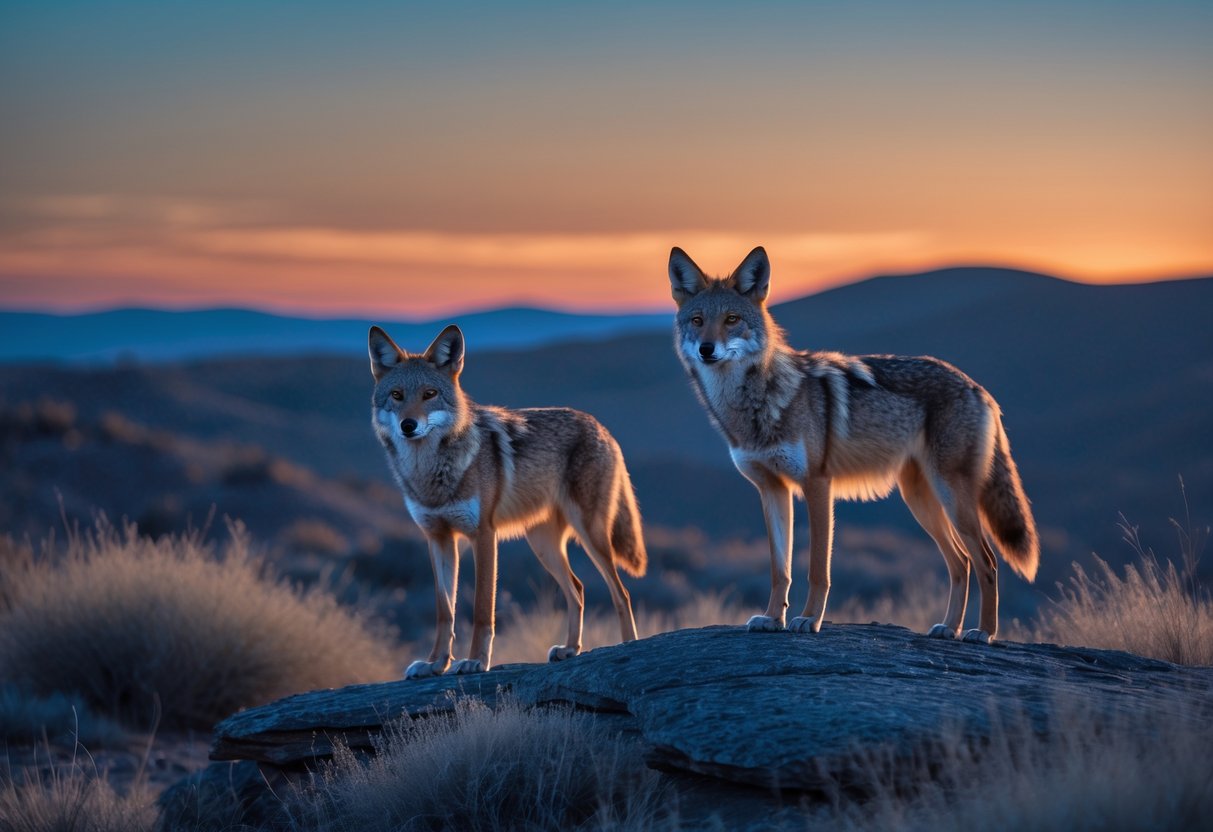
Sound doesn’t travel the same everywhere. On flat, quiet land, their howls can go more than a mile. But if you’re in hills or woods, the trees and slopes soak up the sound, making it harder to hear. When the night’s quiet, you’ll probably notice them from farther away.
If you understand this, you might feel a little less uneasy when you hear coyotes nearby. It’s helpful for figuring out when they’re actually close. There’s more to it than you might think, so let’s dig into what affects how far you hear coyotes and what their howls mean.
How Far Away Are Coyotes When You Hear Their Howls?
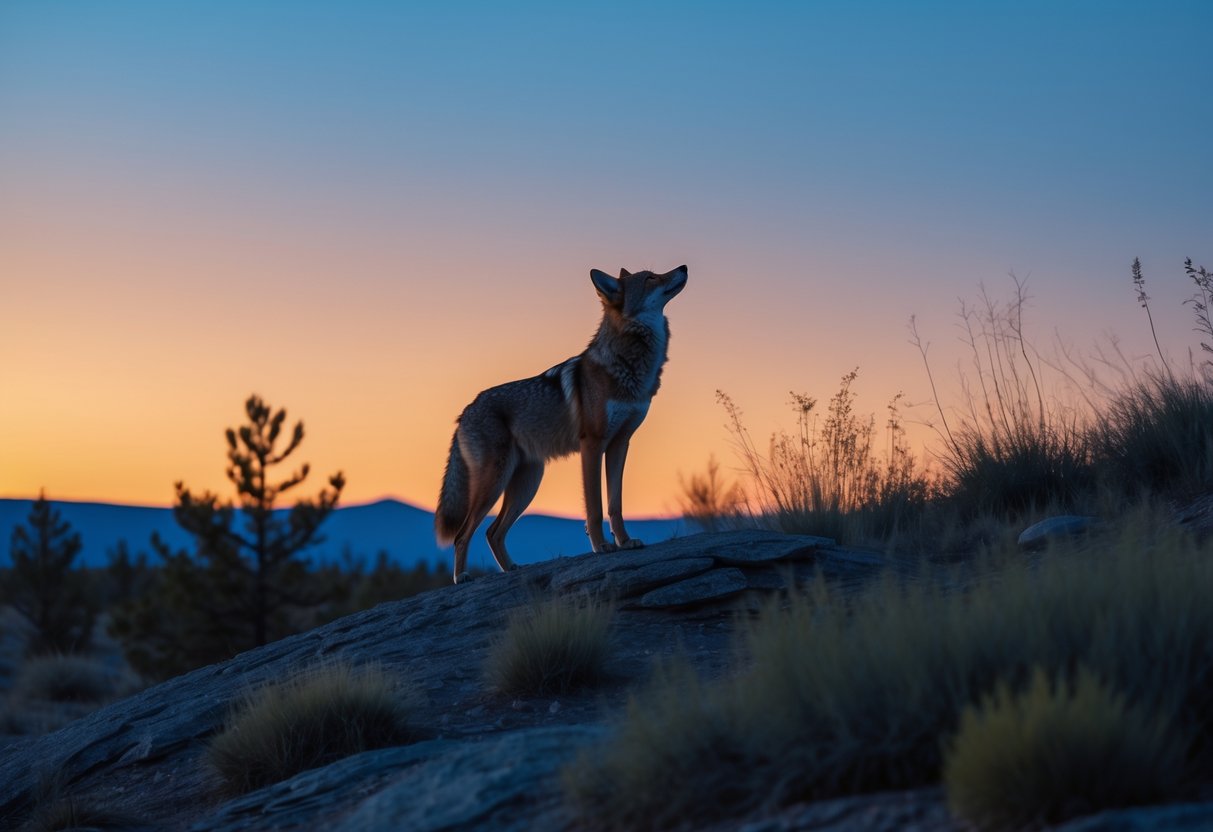
Coyote howls can travel farther than most people expect. How far you hear them depends on a bunch of things—weather, the lay of the land, even background noise.
Typical Distances Coyote Howls Travel
In wide-open, quiet places, you might hear a coyote from over a mile away. Their howls can get pretty loud—sometimes up to 115 decibels, about as loud as a rock concert.
If you’re in a forest or somewhere with thick trees, the sound doesn’t go as far. The trees just swallow it up. On plains or in canyons, though, sound bounces and carries much farther. Calm nights with little noise make it even easier to hear their calls from a distance.
Factors Influencing How Far Coyote Sounds Carry
A few big things change how far you’ll hear a coyote:
- Terrain: Open fields let sound go farther. Hills and canyons bounce it around and can make howls seem closer.
- Weather: Wind can push the sound toward you, and humid air helps too. Rain or strong wind? Not so much.
- Background Noise: If it’s quiet, you’ll hear more. City noise can drown out everything.
- Time of Day: Night and early morning are best—less noise, cooler air, and sound just travels better.
Estimating Coyote Proximity by Sound Volume
Trying to guess how close a coyote is by its howl? That’s tricky. A loud, clear howl probably means they’re within a few hundred yards. If the howl sounds softer, they’re likely farther away—maybe even a mile or more.
But sound can play tricks on you. Echoes or really quiet nights can make them seem closer or farther than they are. Wind direction messes with it too. If you want a rough idea, listen for changes in how loud they sound or if they howl more than once. That might help you figure out if they’re moving toward you or heading away.
You can find more details and reasons for this in this coyote howl distance guide.
Coyote Vocalizations and Behavior at Night

At night, coyotes get pretty vocal to stay in touch and react to what’s going on around them. They use howls, yips, and barks, and each sound means something different. Coyotes that live near cities don’t always act like the ones out in the wild.
Why Coyotes Howl and Communicate
Coyotes howl mostly to keep track of their pack. When you hear them, they might be marking their turf or calling out to a lost member. Sometimes, they’re just looking for a mate during breeding season.
They also use their voices to warn about danger or protect a food stash. Their calls can carry over a mile, especially when it’s quiet. This long-distance “talk” keeps them organized and safe.
You might notice more howling at dawn and dusk. Sound goes farther then, and there aren’t as many people around to interrupt.
Difference Between Coyote Howls, Yips, and Barks
Every coyote sound has a purpose. Howls are long and high-pitched—they use those to talk over distance. Yips are quick and higher, often for playful or social moments. Think of yips as little greetings between packmates.
Barks are short and sharp, usually a warning or alarm. If you hear a bark, the coyote probably spotted something that made it nervous.
Understanding these sounds can give you a peek into what coyotes are “saying.” It’s almost like learning their language—different calls for different situations.
Coyote Behavior in Urban and Suburban Areas
Coyotes living in cities and suburbs figure things out quickly, but they tend to act pretty cautiously.
You probably won’t hear as many howls since they keep quiet to avoid drawing attention.
At night, when most people are inside, urban coyotes become more active.
They go after smaller animals like rabbits and rodents, and sometimes they’ll scavenge near trash bins if they get the chance.
If you notice coyotes hanging around your neighborhood, try not to freak out.
They usually keep their distance from people, but it’s smart to stay alert around dawn and dusk since that’s when they’re most active.
You can make things safer by locking up food sources and keeping pets indoors or supervised.
Curious about what coyotes sound like? Here’s a link with more info: coyote howls and vocalizations.


