
Coyotes show up in a lot of neighborhoods and rural spots, so you might wonder if they carry rabies. Coyotes can get rabies, but honestly, it’s pretty rare for them to actually have or spread the virus. Most coyotes don’t carry rabies because sick ones usually don’t survive long, and they often show obvious signs when they’re ill.
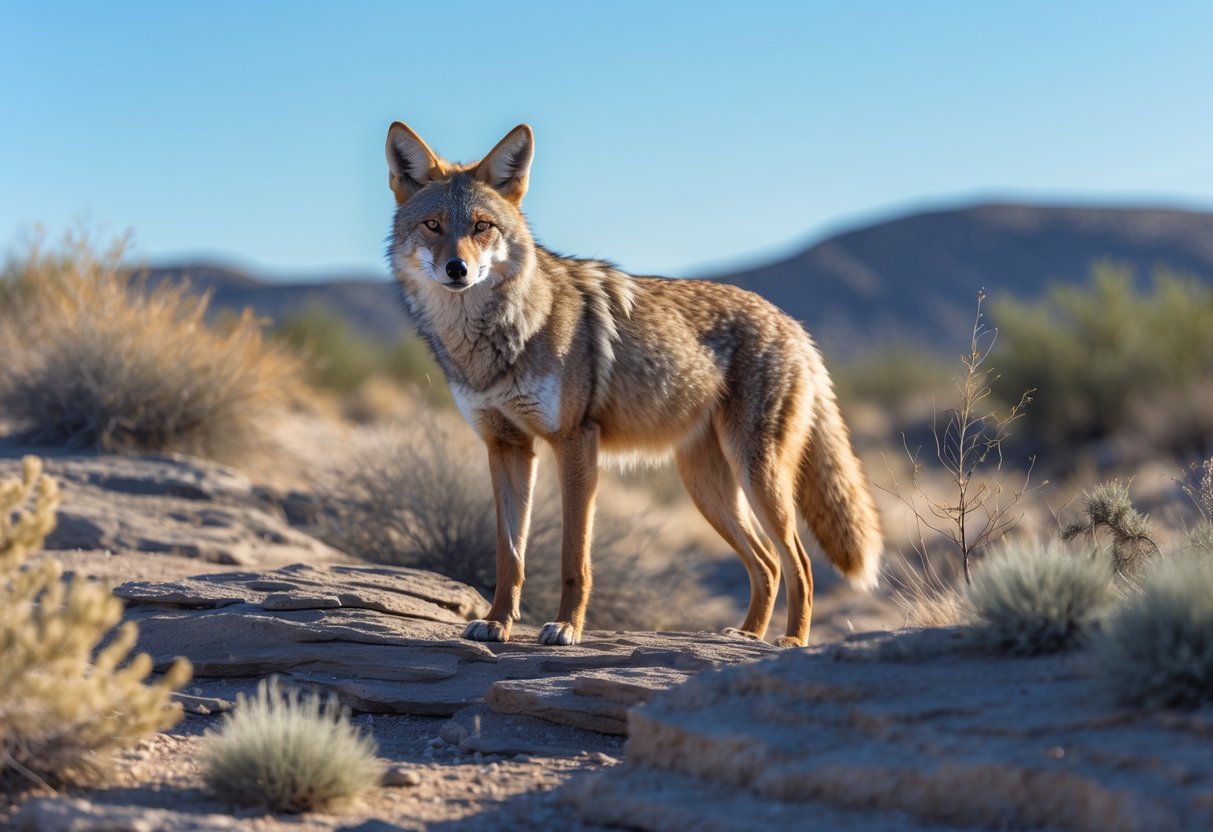
It’s important to know whether coyotes really put you or your pets at risk. Rabies spreads through bites or scratches, and the illness is no joke. If you know the facts about coyotes and rabies, you can stay safer while living near wildlife.
Curious about how often coyotes carry rabies, what the symptoms look like, or what to do if you get bitten? Stick around. This info can help you feel a bit more confident when you cross paths with these wild animals.
Rabies in Coyotes and Its Risks

Rabies in coyotes doesn’t happen often, but it’s possible. If a coyote does get rabies, its behavior changes a lot and that can put you, your pets, or livestock in danger.
You should know the signs of rabies, how coyotes catch it, and what you can do if you or your pets might have been exposed.
How Coyotes Get Rabies
Coyotes usually get rabies when another infected animal bites them. The virus passes along when infected saliva gets into a wound.
This mostly happens during fights or when coyotes run into other wild animals that carry rabies, like raccoons or bats.
In the U.S., rabies in coyotes is pretty uncommon thanks to vaccines and wildlife management. Still, you should stay cautious in areas with coyotes, especially if you see one acting strangely or aggressively.
Coyotes don’t spread rabies unless they bite or have direct contact, so casual encounters aren’t much of a risk.
Symptoms of Rabies in Coyotes
Rabid coyotes just don’t act right. They might seem weirdly brave, aggressive, or totally confused.
You might notice them drooling a lot or foaming at the mouth because they can’t swallow properly. That’s a classic rabies symptom.
Sometimes coyotes look weak, walk funny, or seem restless. They might make odd noises, too.
If you see a coyote that’s sick or way too bold around people, it could have rabies. Seriously, just keep your distance.
Transmission of Rabies to Humans and Pets
Rabies spreads when an infected animal bites or scratches someone. If a rabid coyote bites you or your pet, the virus can get in fast.
Even saliva from a rabid animal on broken skin or in your eyes, nose, or mouth could infect you.
Your pets—especially dogs and cats—face more risk if they aren’t vaccinated. Coyotes sometimes wander near homes, so keeping your pets’ shots up to date is really important.
Wild animals like raccoons and bats spread rabies more often, but coyotes can still pass it on, even if it’s rare.
Rabies Exposure and Immediate Actions
If a coyote bites or scratches you, don’t wait. Wash the wound with soap and water for at least 15 minutes.
Then, go see a doctor right away, even if the bite isn’t bad. Medical pros can figure out if you need a rabies shot or other care.
Call animal control or your local wildlife folks to report what happened. They might try to catch and test the coyote.
Don’t try to handle wild animals, especially if they’re acting off. Acting quickly can help stop rabies from spreading.
For more tips, check out this guide on coyote rabies risk and prevention.
Other Diseases Coyotes Carry and Prevention

Coyotes can carry other diseases besides rabies, and these can affect pets, people, and wildlife. Some diseases come from viruses or bacteria, while others are caused by parasites living on or inside the animal.
You should know what these diseases are and how to protect your family, pets, and property.
Common Non-Rabies Coyote Diseases
Coyotes can get canine distemper, which messes up their breathing and nervous system. If it spreads to dogs, you’ll see coughing, runny noses, and maybe even seizures.
Mange is another problem, caused by mites burrowing into the skin. Mange makes coyotes itch, lose hair, and develop sores. If coyotes don’t get treated, mange can really weaken them.
Coyotes also carry heartworms, which are parasites that attack the heart and lungs. Mosquitoes usually spread heartworms.
Some other diseases, like parvovirus and tularemia, can also show up in coyotes. These can be dangerous for pets and wildlife, so it’s best not to let your animals get close to coyotes.
Parasites Found on Coyotes
Coyotes often have parasites like ticks, fleas, and worms. Ticks can give people and pets Lyme disease, which causes fever, joint pain, and fatigue if you don’t treat it.
Fleas are just plain annoying and can cause itching or spread other illnesses.
Worms—like tapeworms and roundworms—live inside coyotes. Pets or people can get these by coming into contact with coyote poop or contaminated dirt.
It’s smart to keep your pets on parasite prevention meds and avoid places where coyotes hang out. Check your pets for ticks and fleas regularly so you can catch any problems early.
Protecting People and Pets
To keep yourself and your pets safe, don’t approach coyotes. Feeding or getting close to them, even if they seem friendly, isn’t worth the risk.
If your pets go outdoors, watch them and make sure they’re vaccinated—especially for distemper, rabies, and parvovirus.
Clean up pet food and water bowls so you don’t attract coyotes to your yard.
If you think your pet had a run-in with a coyote, call your vet right away.
Watch out for sick coyotes—look for weird aggression, staggering, or lots of drooling. If you spot a coyote acting like this, keep your distance and let animal control know.
Coyote Management and Prevention Strategies
If you want to keep coyotes away, try using motion-activated lights or sprinklers in your yard. These gadgets usually startle coyotes and make them think twice about coming closer.
Lock up your trash cans, compost, and pet food so coyotes can’t find an easy meal. You might also want to put up fencing that’s at least 6 feet tall and goes a bit underground—coyotes are stubborn, but that can really help keep them out of your yard or garden.
When coyotes start causing trouble in your neighborhood, reach out to professional animal control or wildlife experts. They know how to handle coyote issues safely and can give you tips for living near wildlife without too much worry.


