
Ever had a coyote quietly trail you on a walk? It’s a little unsettling, right?
That’s called “escorting.” The coyote calmly follows you to make sure you leave its territory or stay away from its pups.
It’s not stalking or hunting you—just a way of protecting its space.

Coyotes act curious but also keep their distance. When they escort you, they watch and hope you’ll move along.
If you know this, it’s easier to stay calm, especially in spring and summer when they’re extra protective of their pups.
Understanding coyote escorting helps you keep pets safe, too. Coyotes pay a lot of attention when dogs are around.
If you see this next time you’re out, just remember: it’s their way of guarding home, not picking a fight.
What does it mean when a coyote follows you?
Understanding Escorting Behavior

When a coyote follows you, it usually just wants you to move along.
It’s protecting its space, not chasing you down. Coyotes do this more in certain places, at certain times, and especially if they have pups nearby.
Definition of Escorting in Coyotes
Escorting means the coyote walks behind or near you, always watching.
It’s not hunting or stalking—it’s more like a gentle nudge to keep your distance.
The coyote stays calm and doesn’t charge.
It wants you to get the message and leave. Usually, just one or two coyotes handle this job.
You might spot them sizing you or your dog up, but they don’t want a fight.
Motivations Behind Escorting
Coyotes escort for a few big reasons:
- Protecting territory: They want other animals out of their space.
- Guarding pups: Parents get extra alert when they have little ones nearby.
- Curiosity: Sometimes they just want to see what you’re doing.
- Warning you off: Especially if you have a dog, they want you to keep moving.
When you see this, it’s about safety—not aggression.
If there are pups around, coyotes get even more focused on keeping you away.
Seasonal Patterns and Context
You’ll notice escorting most in spring and early summer.
That’s when coyote pups are young and need protection.
During this season, parents stay close to their dens.
They follow or watch people nearby to keep their pups safe.
Outside of pup season, escorting happens less often.
Coyotes might still check you out if you’re near their home.
If you walk with pets in spring, it’s smart to be extra alert.
Differences From Stalking or Aggression
Escorting isn’t stalking or being aggressive.
Stalking coyotes move quietly and watch from far off, like they’re hunting.
Aggressive coyotes growl, lunge, or act threatening.
Escorting coyotes just follow calmly and don’t rush you.
If a coyote escorts you, it’ll move slowly, keeping pace.
They just want you to keep going—not to attack.
Knowing this makes it easier to stay calm.
If you see one, stand tall, back away slowly, and don’t run.
For more on why coyotes follow people, check out What Does It Mean If a Coyote Follows You? Understanding Encounters.
Responding to a Coyote Escort Encounter
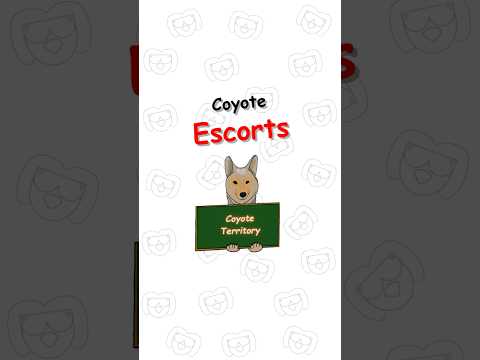
If a coyote starts escorting you, staying calm makes all the difference.
You’ll want to spot the signs, protect your pets, and keep safe on walks, especially if you’re near coyote territory.
How to Recognize Escorting
Escorting looks like a coyote following you—usually to guide you away from its den or hunting spot.
It happens most in early spring when pups are around.
You might see the coyote walking behind or beside you, not acting aggressive.
Sometimes it’ll look extra alert or keep pace, almost like it’s monitoring you.
Coyotes rarely attack during escorting.
They just want you out of their space.
You’ll usually see one or two coyotes, sometimes a pair.
The main clue is they keep you close but don’t come at you aggressively.
Best Practices for Humans and Pets
Stay calm—don’t run or turn your back.
Use a firm voice and wave your arms if it gets too close, just to show you’re not prey.
If you have pets, leash them and keep them close.
Coyotes see dogs as a bigger threat, so don’t let your pet interact with them.
Don’t feed coyotes or leave food outside.
This teaches them to keep their distance and not hang around your yard.
Remove things like trash or pet food that might attract them.
Key Safety Tips During Dog Walks
Try to walk your dog during daylight. Coyotes tend to show up more at dawn and dusk, so daytime strolls are usually safer.
Keep your dog on a short leash. That way, you’ve got better control if anything unexpected happens.
If you have a big dog, you might notice more curious looks from wildlife. Just stay alert—sometimes that’s all you need.
If a coyote comes your way, take a breath and stay calm. Stand tall, make yourself look bigger, and slowly back away while keeping your eyes on the animal.
Don’t run. That just makes things worse, since running can trigger a chase.
Consider carrying a noise-maker, or even a couple of small stones. Toss them near (but not at) the coyote if you need to scare it off.
This usually teaches the coyote to steer clear of you and your dog next time.
For more info on coyote behavior and what to do if one follows you, check out Coyotes on patrol: What it really means when you’re ‘followed’.


