
Ever been stung by a bee? You’ve probably heard someone say, “Just put toothpaste on it!” Toothpaste is a go-to home remedy for a lot of folks, mostly because it’s right there in the bathroom and takes almost no effort.
But does it actually make bee stings feel better, or is that just wishful thinking?
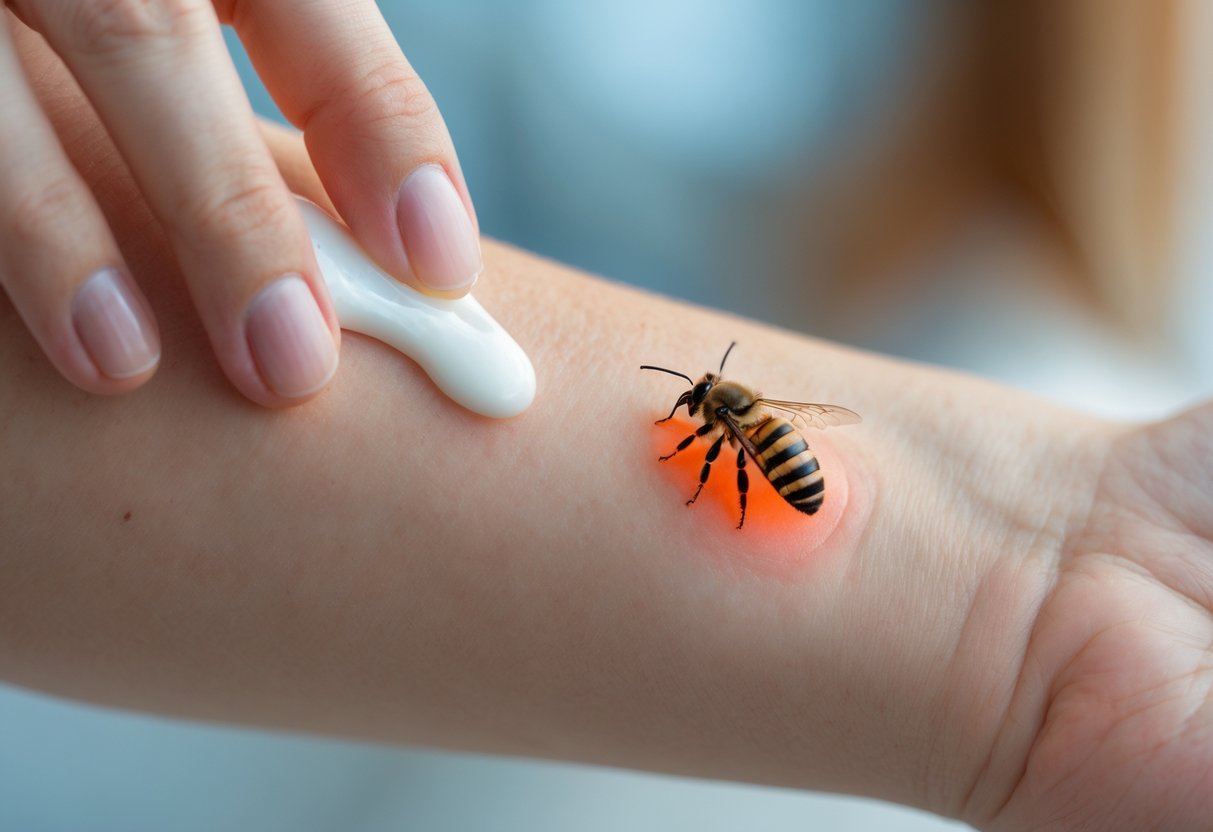
Toothpaste might help soothe a bee sting by cooling your skin and calming the itch. It won’t cure the sting or get rid of the venom, but the menthol and other stuff in some toothpastes can numb the area a bit, making it feel less awful for a short time.
If you’re wondering how and when to use toothpaste safely, it’s good to know the basics before you smear it on. There are other easy remedies you could try too, if you’re looking for quicker relief.
So, what really works for bee sting pain and swelling? Let’s dig in.
Does Toothpaste Help Bee Stings?

Toothpaste might ease the pain and swelling from bee stings, but not every toothpaste works the same. Some have ingredients that could help with inflammation or numb the spot.
There are also risks, like skin irritation or allergies, so it’s not a perfect fix.
How Toothpaste Works on Bee Stings
When a bee stings, it injects venom that causes pain, swelling, and itching. Some toothpastes contain baking soda, which can neutralize the venom’s acidity and help with swelling and redness.
Menthol or peppermint in toothpaste creates a cooling sensation. That cool feeling can numb your skin and take the edge off the pain.
You should dab a small amount on the sting for about 15 to 20 minutes, then rinse it off. That’s usually enough time for any effect you’ll get.
Best Type of Toothpaste for Stings
If you want to try this, pick a toothpaste with menthol or peppermint. Those ingredients cool and soothe the skin after a sting.
Skip toothpastes with heavy whitening agents or wild flavors—they might just make things worse. Plain toothpaste with baking soda can also help neutralize bee venom.
You don’t need anything fancy, just something mild that won’t irritate your skin further.
Potential Risks and Allergic Reactions
Most people use toothpaste without trouble, but it can irritate sensitive skin. If you feel burning, itching, or see a rash after using it, wash it off right away.
Some folks are allergic to things like menthol or peppermint. If you break out in hives, start swelling, or have trouble breathing, get medical help immediately.
Toothpaste isn’t a substitute for real medical care, especially if you react badly to bee stings.
Effective Alternatives and When to Seek Help

You can ease bee sting pain with a few home remedies or over-the-counter products. Knowing what to use—and when to call a doctor—makes a difference for your comfort and safety.
Popular Home Remedies for Bee Stings
Try an ice pack on the sting. Cold slows inflammation and numbs the pain.
A baking soda paste with water can help neutralize the venom’s acidity. Some people reach for aloe vera gel—it’s soothing and has antibacterial properties that help protect your skin.
Tea tree oil and apple cider vinegar are also popular picks. They’re known for natural antibacterial effects and might help with itching and swelling, but use them sparingly to avoid skin irritation.
Don’t use lemon juice on broken skin. That’ll probably just make things sting more.
Over-the-Counter Options
For faster relief, you can grab a few things from the pharmacy. Calamine lotion soothes itching and helps calm irritated skin.
Hydrocortisone cream can reduce swelling and redness. Both are usually safe if you follow the directions.
If you need pain relief, take something like ibuprofen or acetaminophen. Antihistamines such as diphenhydramine (Benadryl) help with itching and mild allergic reactions.
Stick to the instructions on the packaging. These options work well for mild to moderate stings, but don’t skip medical help if things get serious.
When to Seek Medical Attention
Get medical help right away if you notice signs of a severe allergic reaction—doctors call this anaphylaxis. Look out for symptoms like dizziness, trouble breathing, tightness in your throat, hives, or swelling around your face and mouth.
If a wasp stings you or you feel extreme pain that keeps getting worse, it’s time to see a doctor. You should also reach out for help if swelling spreads far from where you got stung, or if you spot infection signs like redness, warmth, or pus.
Watch your body’s response, especially if you know you’re allergic to bee venom. In these situations, getting care quickly really can make all the difference.


