
Rabbits are cherished pets known for their playful personalities and sweet companionship. When considering adopting one, you might wonder about their lifespan. Some pet rabbits can live long and healthy lives, but reaching up to 12 years is more common than hitting the 20-year mark.
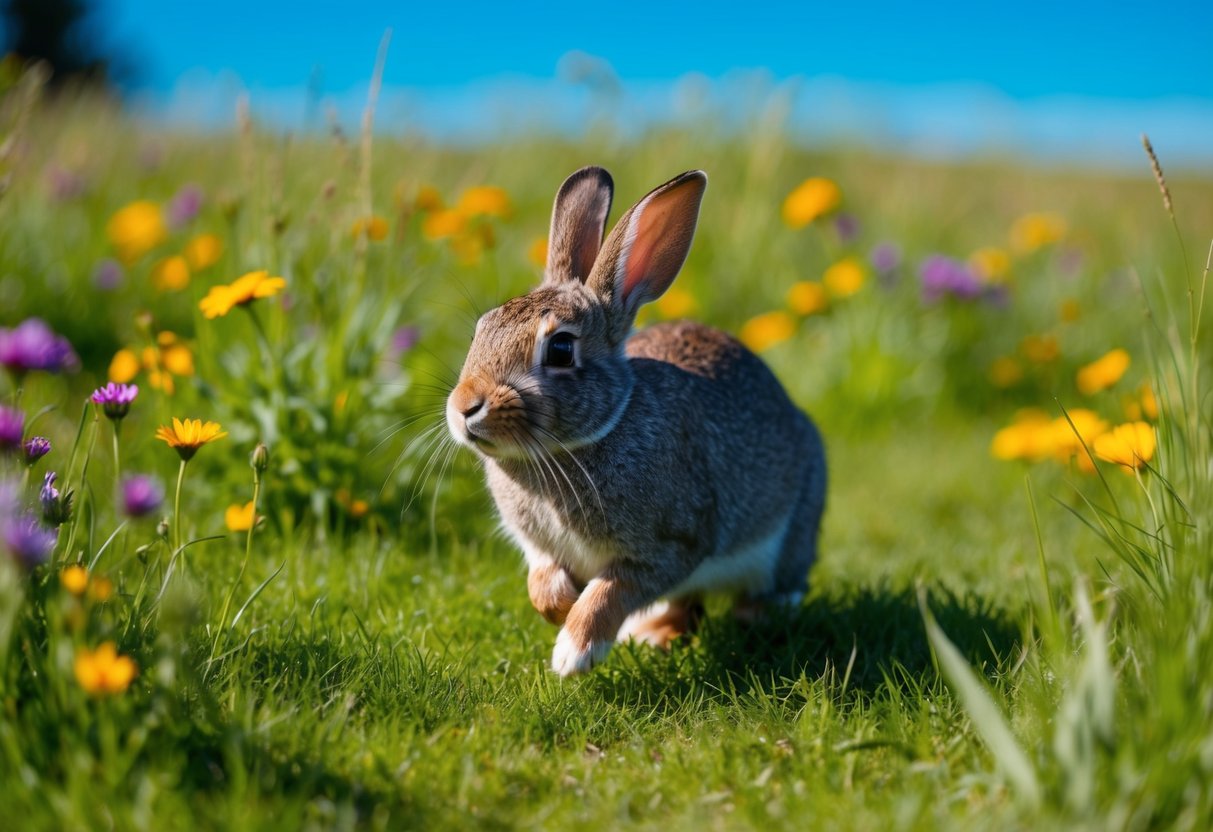
It’s important to understand the factors that affect how long a rabbit might live. Their breed, diet, and overall care play significant roles in their longevity. Many owners report their rabbits living well into their teens with proper attention, care, and a safe environment.
If you’re curious about how to ensure your furry friend has the best chance for a long life, there’s much to explore. From diet tips to health check-ups, knowing what to do can help you provide a fulfilling life for your rabbit.
Understanding Rabbit Lifespan
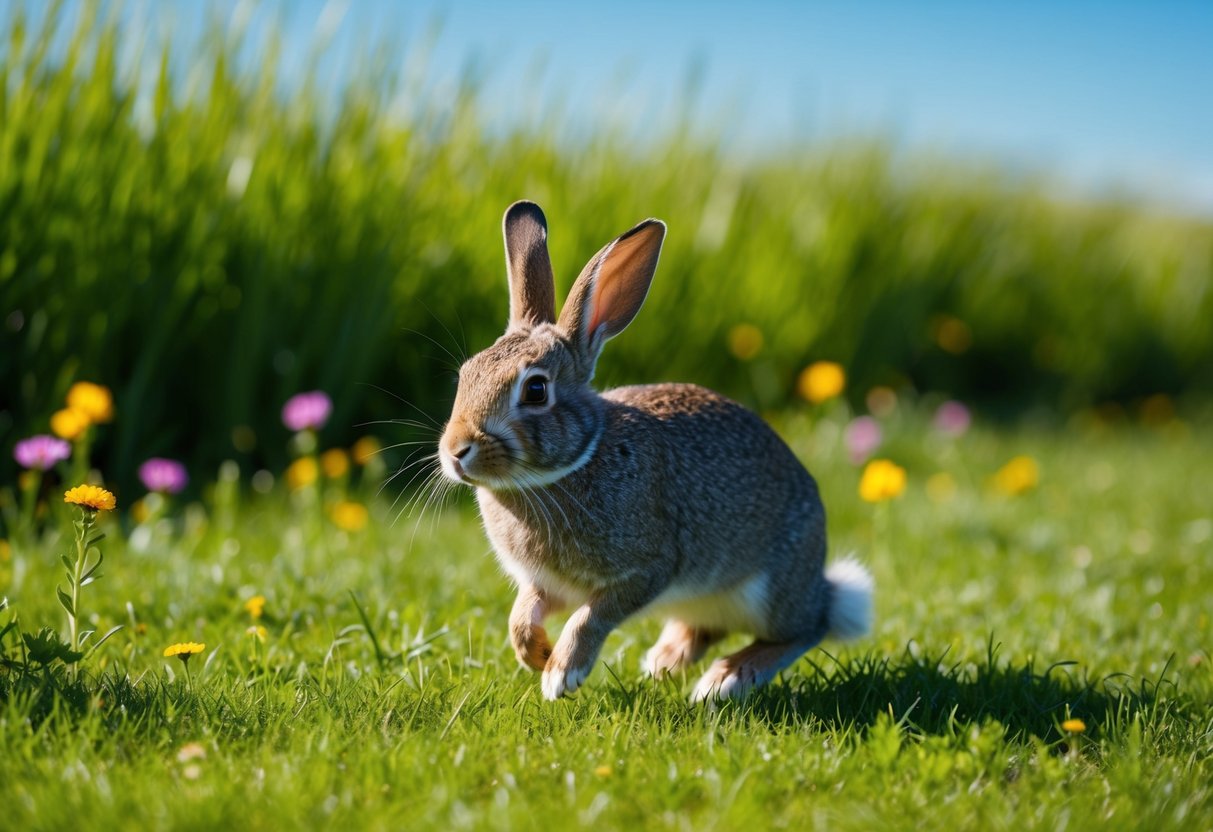
Rabbits can have varying lifespans based on several factors. Knowing these can help you provide better care for your furry friend, whether they live indoors or outdoors. This section explores the key factors that affect rabbit lifespan, compares wild and domestic rabbits, and discusses how neutering can influence longevity.
Factors Affecting Rabbit Lifespan
Several important factors can affect how long your rabbit lives.
-
Breed: Smaller breeds, like the Netherland Dwarf, often live longer, averaging 8 to 12 years. In contrast, larger breeds, such as the Flemish Giant, usually have shorter lifespans of about 5 to 7 years.
-
Health: Regular vet check-ups can catch health issues early. Common health problems like dental disease and obesity can lower your rabbit’s life expectancy.
-
Living Environment: Indoor rabbits generally live longer than outdoor rabbits. Indoor living protects them from predators and harsh weather.
-
Diet: A well-balanced diet rich in hay, fresh vegetables, and limited pellets is crucial. Poor nutrition can lead to serious health problems that shorten lifespan.
Comparing Lifespans: Wild vs. Domestic Rabbits
Wild and domestic rabbits experience different lifespans due to their environments and lifestyles.
Wild rabbits typically live only 2 to 3 years. They face dangers like predators and harsh conditions, leading to a high mortality rate. Their natural life is full of risks that take a toll on their lifespan.
In contrast, domestic rabbits can live significantly longer, usually between 8 and 12 years. Many reach 15 years or more with proper care. Factors such as diet, health care, and living conditions play a big role in their longevity.
The Impact of Neutering on Rabbit Longevity
Neutering can have a positive impact on your rabbit’s lifespan. This procedure can prevent several health issues, including reproductive cancers, which can significantly affect female rabbits.
Neutered rabbits tend to be less aggressive and more social. Their calmer behavior also helps reduce stress, which is important for overall health.
By preventing unwanted litters and promoting better health, neutering can help your rabbit live a longer, happier life. Make sure to discuss this option with your vet to see if it’s right for your pet.
Average Lifespan of Common Rabbit Breeds
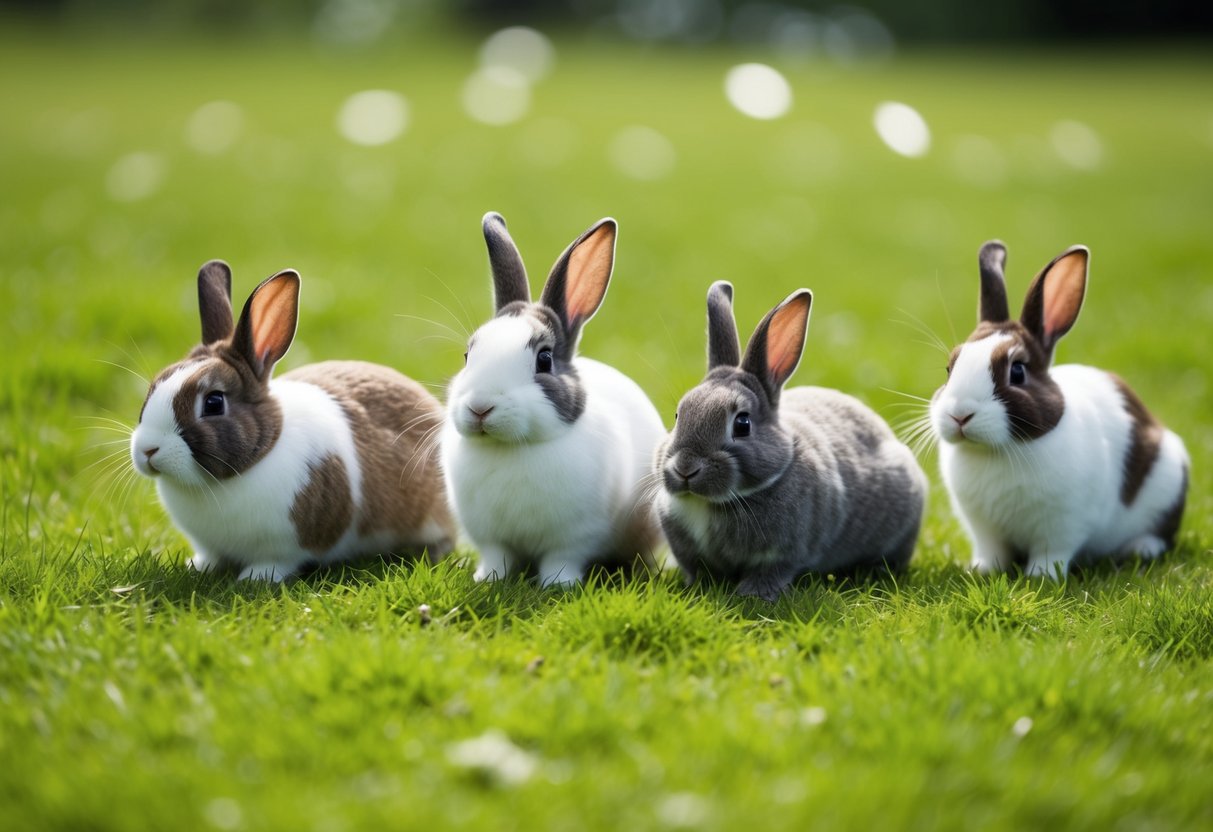
When choosing a rabbit, it’s important to know how long your pet might live. Different breeds have varying lifespans, and knowing these details can help you prepare for your new companion.
Dwarf Rabbits: Small Size, Big Hearts
Dwarf rabbits are popular pets due to their small size and friendly nature. Common breeds like the Netherland Dwarf and the Mini Rex usually have a lifespan of 8 to 12 years.
Their longevity can be influenced by genetics and proper care. For example, a balanced diet and a stress-free environment can help ensure they live their full potential.
It’s vital to keep up with veterinary visits. Regular check-ups can help catch any health issues early and ensure your dwarf rabbit stays healthy and happy for many years.
Life Expectancy of Large Rabbit Breeds
Large rabbit breeds, such as the Flemish Giant or the New Zealand rabbit, tend to have shorter lifespans compared to their smaller counterparts. Typically, large rabbits live around 5 to 8 years.
The size and breed can affect their health. Large rabbits may experience issues like joint problems or heart conditions, which can shorten their lifespan.
It’s essential to provide a spacious living environment and proper exercise for these rabbits. Regular check-ups with your vet will also help you keep your large rabbit healthy throughout its life.
Caring for Your Rabbit to Ensure a Long Life
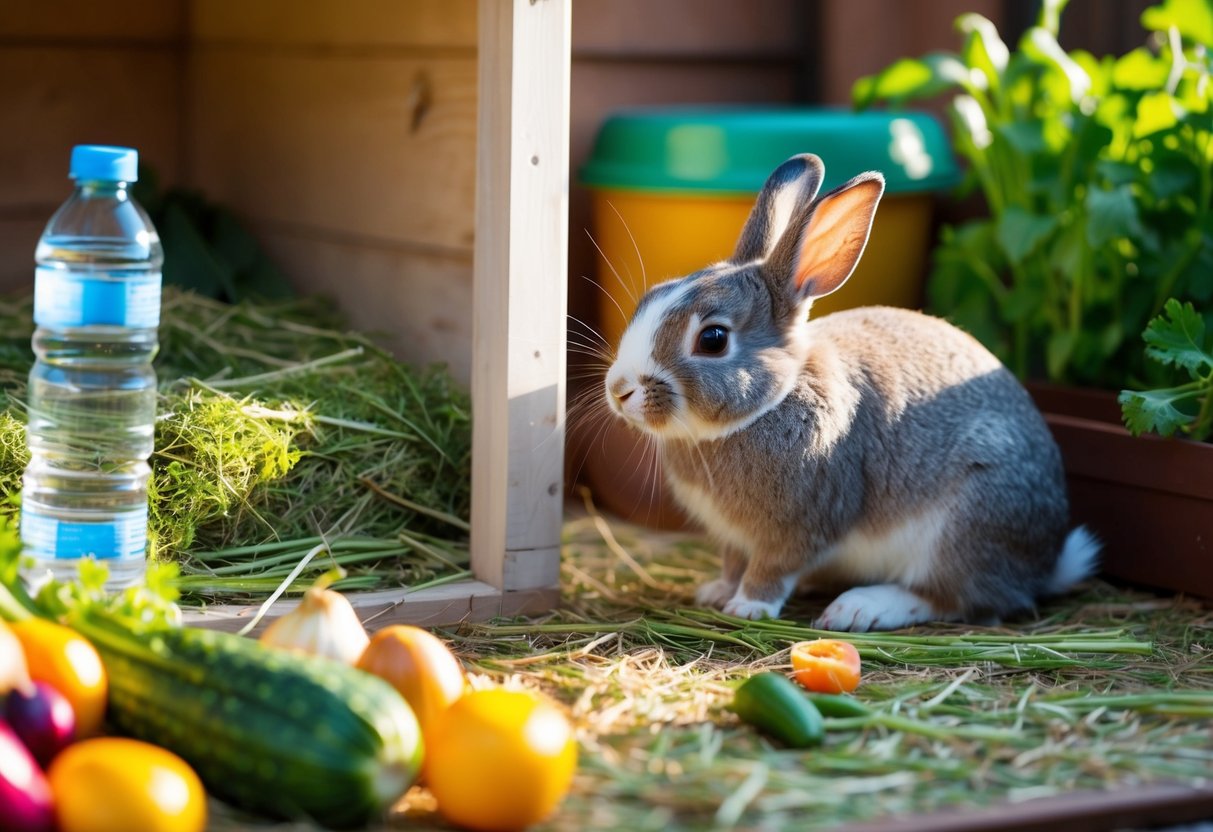
To help your rabbit live a long and healthy life, focus on providing the right nutrition and regular health care. Each of these aspects plays a crucial role in ensuring your pet thrives for years to come.
Optimal Nutrition for Longevity
What you feed your rabbit significantly impacts their overall health and lifespan. A well-balanced rabbit diet includes a mix of hay, fresh vegetables, and pellets. Timothy hay should be the main part of their diet, as it provides essential fiber.
Include fresh greens like kale, parsley, and romaine lettuce. Avoid starchy vegetables and fruits, as too much sugar can lead to health issues.
Tips for a healthy diet:
- Always have fresh hay available.
- Limit treats to a few per week.
- Fresh water should be accessible at all times.
A proper diet helps keep your rabbit’s digestion smooth and their weight in check, which can prevent issues like obesity and dental problems.
Routine Health Checks and Preventative Care
Regular health checks are vital for your rabbit’s well-being. You should schedule vet visits at least once a year. This helps you catch any potential health issues early on.
During these visits, your vet will conduct a thorough health examination. They will focus on:
- Dental health: Rabbits’ teeth can grow continuously, so they will check for signs of overgrowth.
- Vaccinations: You should keep your pet up to date on necessary vaccinations to prevent diseases.
In addition to vet visits, monitor your rabbit’s behavior at home. Look for changes in eating habits, lethargy, or unusual behaviors. Prompt attention to these signs can make a significant difference.
Combining proper nutrition with routine health checks can greatly enhance the chances of your rabbit living a longer, happier life.


