
Rabbits can be delightful companions, but they require special care to thrive. To keep rabbits alive and healthy, you need to provide them with a proper diet, a safe shelter, regular exercise, and social interaction. Ensuring these basic needs are met will help your rabbit lead a happy life.
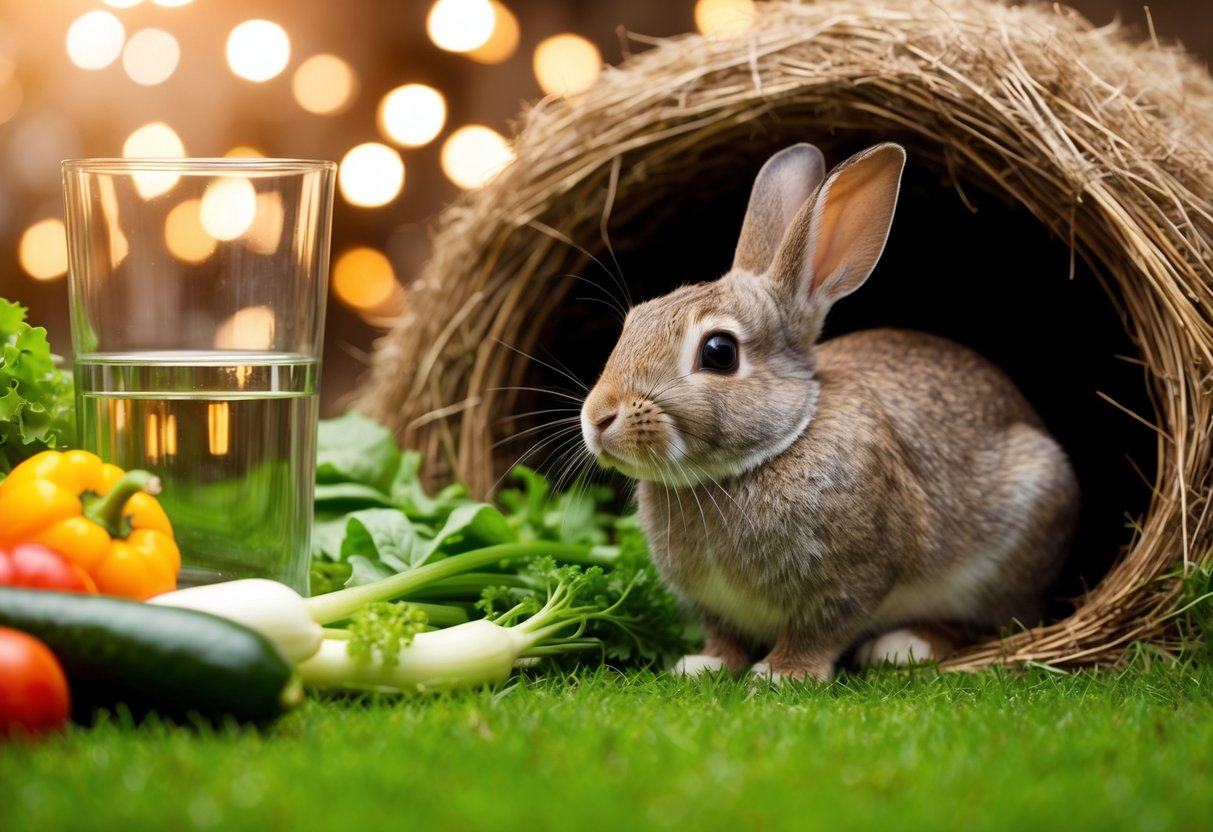
Providing a balanced diet is crucial. Rabbits are herbivores and should have access to fresh hay, vegetables, and clean water daily. A suitable living environment also matters; they need a comfortable hutch that protects them from weather changes and offers enough space to move around.
Don’t forget about exercise and socialization. Rabbits are active animals and require time to hop around and explore. They enjoy interacting with their owners and need mental stimulation, so offering toys and opportunities for play is important for their well-being. With the right care, your rabbit can be a joyful addition to your life.
Basic Dietary Requirements

A rabbit’s diet plays a crucial role in keeping them healthy and happy. Your pet needs a balance of hay, fresh vegetables, and a limited amount of pellets to stay nourished.
Hay and Grass
Providing fresh hay should be the foundation of your rabbit’s diet. Hay, particularly timothy hay, is highly recommended. It is rich in fiber, which keeps their digestive system working properly. Aim for hay to make up at least 80% of their diet.
You can also include other types of grass hay, which helps keep their teeth from overgrowing. Always ensure they have unlimited access to hay to munch on throughout the day. Just avoid feeding too much alfalfa hay to adult rabbits, as it can be too rich and lead to health issues like urinary stones.
Fresh Vegetables and Leafy Greens
Fresh vegetables and leafy greens are essential for a balanced diet. You can introduce a variety of greens, such as romaine lettuce, parsley, and kale. Aim to provide several types daily to ensure your rabbit gets various nutrients.
Introduce these greens gradually to avoid digestive upsets. Do not feed your rabbit starchy vegetables like potatoes or high-sugar veggies like corn. It’s best to limit serving sizes to about one cup of vegetables per two pounds of body weight each day.
Rabbit Pellets and Treats
Rabbit pellets can be included in your pet’s diet but should not be the main focus. Choose high-quality pellets that are hay-based for the best nutrition. Look for a brand that contains at least 14% fiber to support digestion.
Limit the amount to about 1/8 cup per two pounds of body weight daily. Avoid feeding treats high in sugar or fat, as these can lead to obesity and other health problems. Instead, consider small amounts of safe fruits as occasional treats. Always monitor how your rabbit reacts to any new foods to keep their diet balanced and safe.
Health and Medical Attention

Taking care of your rabbit’s health is an essential part of being a responsible owner. This involves providing regular veterinary visits, spaying or neutering, and knowing the signs of illness.
Routine Veterinary Care
Regular veterinary care is vital for your rabbit’s well-being. Schedule a check-up at least once a year. During this visit, the vet will examine your rabbit for any health issues, making sure everything is normal.
What to Expect:
- Physical Exam: The vet checks for dental problems, weight issues, and any lumps or bumps.
- Vaccinations: Some areas recommend vaccines for diseases like rabbit hemorrhagic disease.
- Dental Care: Rabbits need regular teeth checks. Overgrown teeth can cause pain and other health issues.
Make sure your vet is knowledgeable about rabbit care. This ensures your rabbit gets the best possible treatment.
Spaying and Neutering
Spaying or neutering your rabbit is important for health and behavior. This procedure helps prevent certain diseases and unwanted litters.
Benefits of Spaying/Neutering:
- Health Benefits: Reduces the risk of certain cancers.
- Behavioral Benefits: Can help with aggression and territory marking.
- Extended Lifespan: Spayed or neutered rabbits typically live longer.
Consult with your veterinarian about the best time to spay or neuter your rabbit. They can provide guidance on post-surgery care, ensuring a smooth recovery.
Signs of Illness
Being able to recognize signs of illness is crucial for your rabbit’s health. Rabbits can hide their discomfort well, so keep an eye on their behavior.
Common Signs of Illness:
- Changes in Eating or Drinking: A decrease in food or water intake can indicate a problem. Look out for signs of GI stasis, where the digestive system slows down.
- Lethargy: If your rabbit is less active than usual, it may be unwell.
- Abnormal Behavior: Changes in grooming habits or sudden aggression can also be red flags.
If you notice any of these signs, consult your veterinarian as soon as possible. Early intervention can make a significant difference in treatment.
Housing and Environment
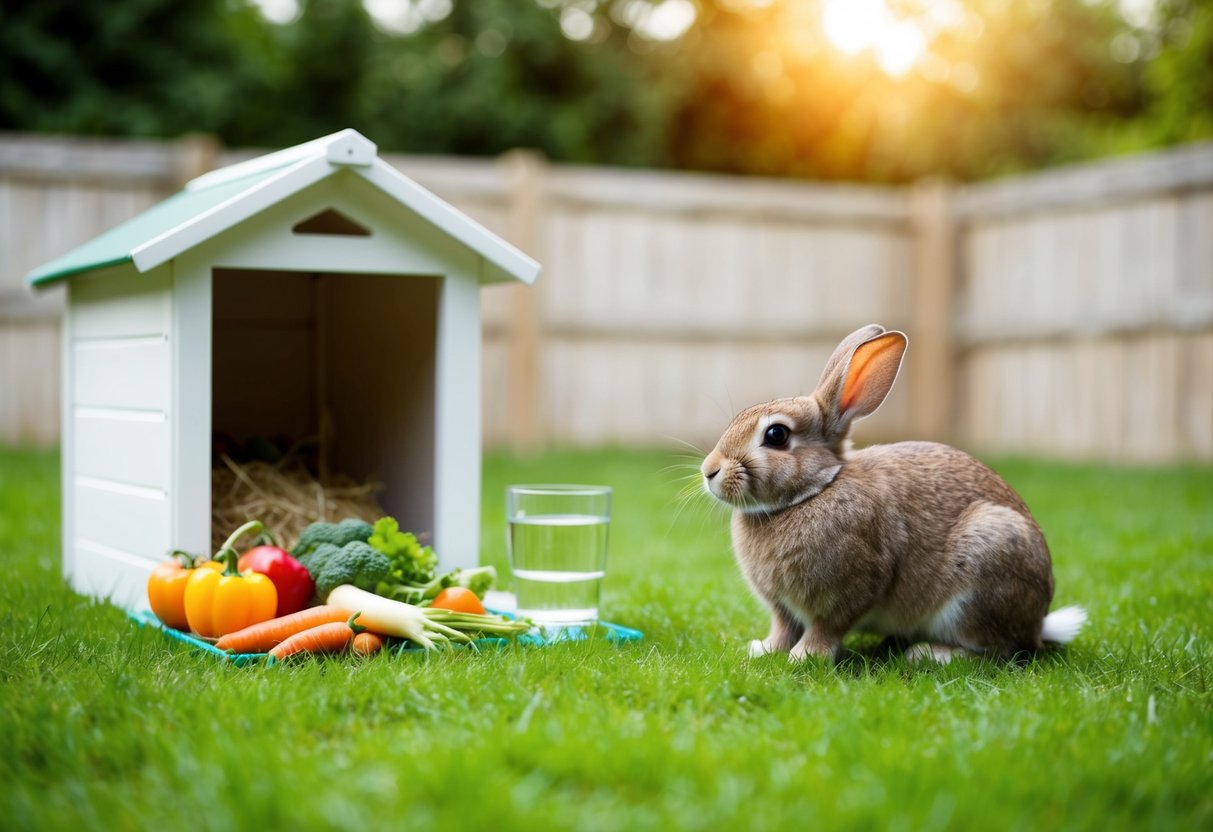
Creating a safe and cozy home for your rabbit is key to their happiness and health. The right living area and proper temperature control help rabbits feel secure and comfortable in their environment.
Proper Living Area
Your rabbit needs a spacious living area, like a rabbit hutch, where they can hop, stretch, and explore. The enclosure should be at least four times the size of your rabbit when they are fully grown.
Make sure to include separate spaces for sleeping, eating, and using the litter box. This helps keep their area clean and organized.
Rabbit-proofing is essential. Remove any dangerous items from their reach. You can add tunnels, ramps, and chew toys to keep them engaged and active. A hiding place is also important, as it gives your rabbit somewhere to retreat when they need comfort or want to feel safe.
Temperature and Protection
Maintaining the right temperature in your rabbit’s living area is crucial. Ideal temperatures range between 60°F and 70°F. Avoid areas that are too hot or too cold, as extreme temperatures can stress your rabbit.
Make sure their environment is protected from direct sunlight, rain, and strong winds. Proper ventilation helps keep their space comfortable. Always provide shade if they are outdoors.
In winter, provide extra bedding to keep them warm. Cover their hutch with a blanket or insulated materials during very cold nights. Taking these steps ensures your bunny stays cozy and healthy year-round.
Behavior and Enrichment

To keep your rabbit healthy and happy, it’s important to focus on their behavior and enrichment. This involves ensuring your pet gets regular exercise and mental stimulation. These activities help promote a well-rounded and joyful life for your furry friend.
Exercise and Play
Regular exercise is essential for your rabbit’s health. You should provide a safe space for them to hop and explore. This can be a spacious enclosure or a bunny-proofed area in your home.
Engagement in play is vital. Use various chew toys and tunnels to encourage movement. Not only do they enjoy hopping through obstacles, but it also helps wear down their ever-growing teeth.
Creating a routine playtime can enhance their confidence. Change the toys often to keep things interesting. You can also include supervised outdoor time, which allows your rabbit to explore new sights and smells.
Mental Stimulation
Mental stimulation keeps your rabbit engaged and happy. Consider using puzzle toys that require your rabbit to figure out how to retrieve treats. This encourages them to think and problem-solve.
Interactive playtime with you is also beneficial. Spend quality time petting, grooming, or simply talking to your rabbit.
Litter training can also provide mental enrichment. It gives your rabbit a routine and teaches them boundaries. Plus, it makes cleanup easier!
Visit a local rabbit rescue to learn more about enriching activities. You can also find more rabbit supplies that can support both their physical and mental well-being. Regularly changing their environment and introducing new challenges can lead to a happier rabbit.


