
Rats have a much stronger sense of smell than we do. They can easily pick up on scents you might not even notice.
Yes, rats can smell humans, and they often figure out you’re around by sensing your scent on objects or in the air.
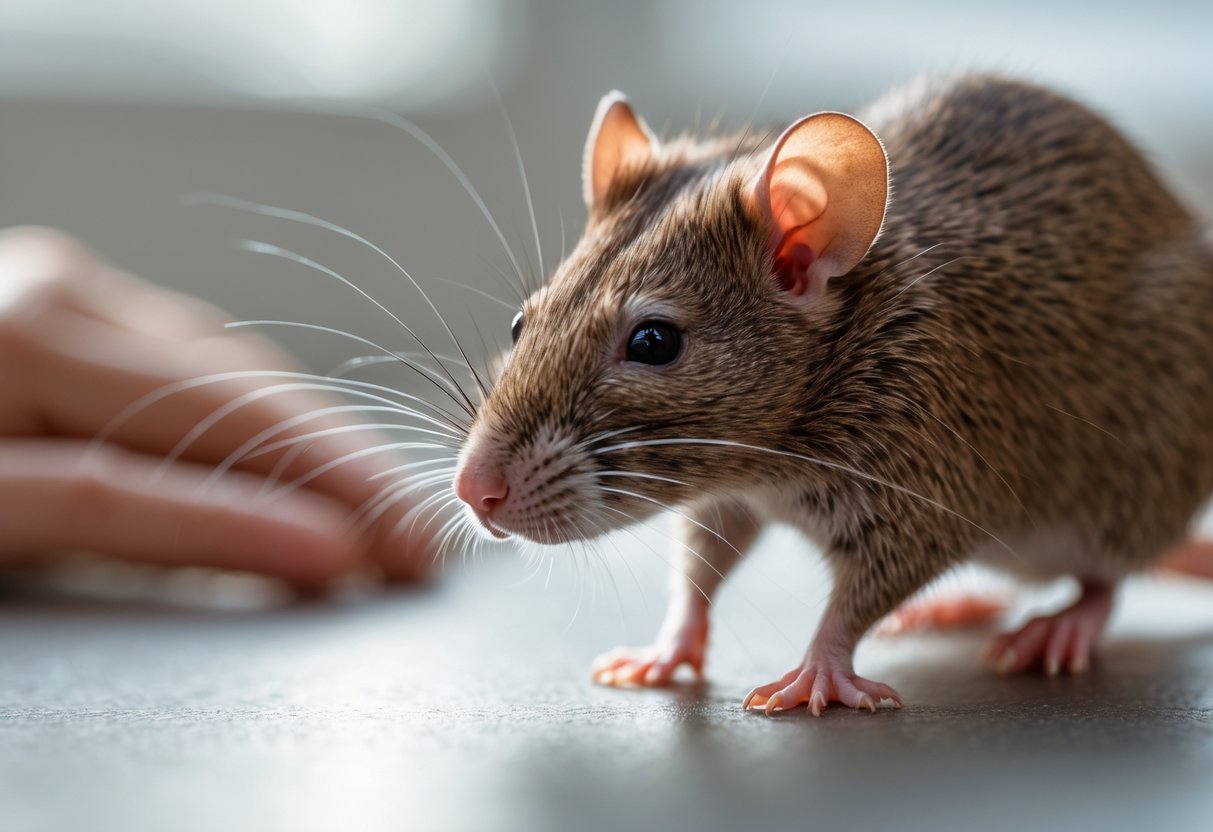
Their noses are so sensitive that they can tell if you’ve touched a trap or bait. This makes them wary of anything that smells like a human.
If you’re wondering why some traps don’t work, this might be the reason.
How Rats Use Smell to Detect Humans
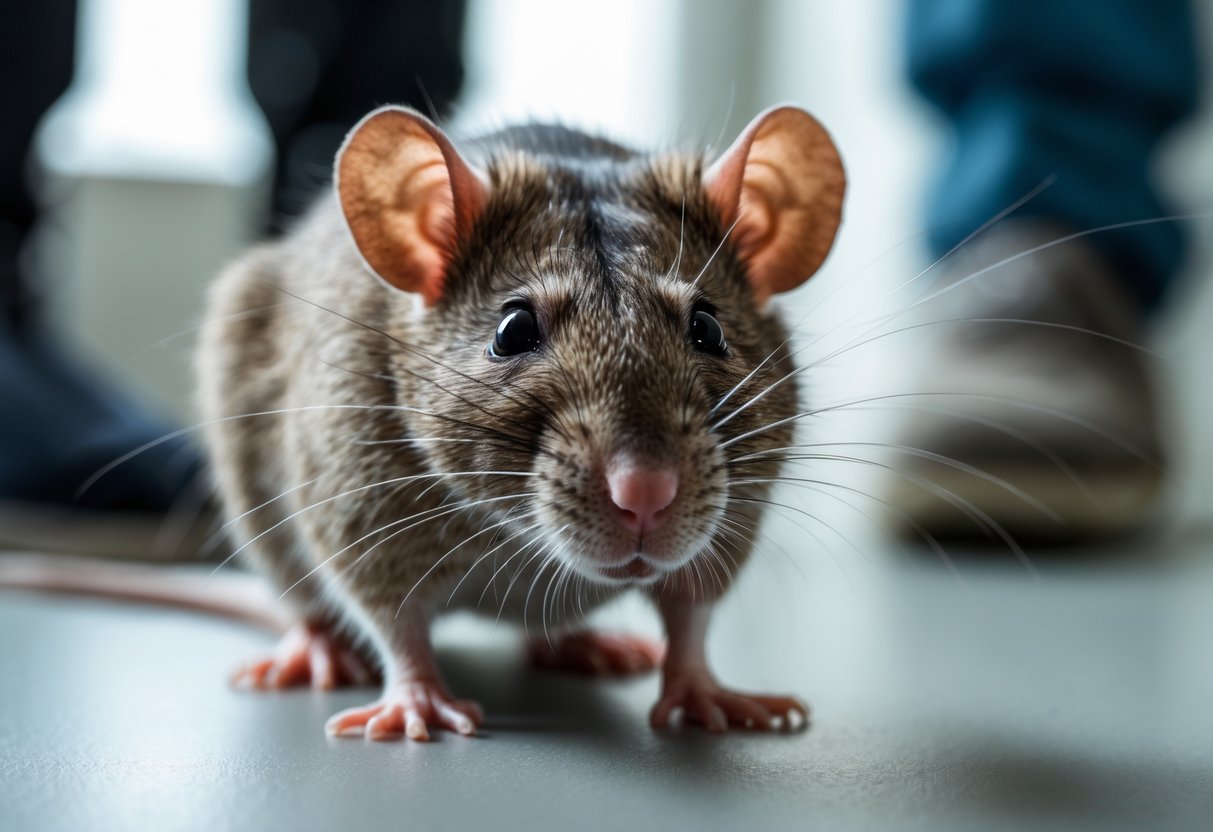
Rats have an incredible sense of smell that lets them notice you even if you think you’re hidden. Their noses pick up tiny scent particles, and they can tell the difference between many odors—including yours.
How well they detect you depends on the strength of your scent, the environment, and how you handle things near them.
Rat Olfactory System Explained
Rats rely on their noses to gather information about the world. Inside their nasal passages, they have a special area lined with lots of smell receptors.
These receptors grab odor molecules from the air and send signals straight to the rat’s brain.
Rats also have a vomeronasal organ (VNO), which detects chemical signals like pheromones. This organ helps them communicate and also sense subtle scents.
Their olfactory lobes in the brain are much bigger than ours, so their sense of smell is extremely sharp.
They can sniff out faint smells that humans would miss, which is honestly pretty impressive.
Can Rats Differentiate Human Scent from Other Odors
Rats can definitely tell human scent apart from other odors. They’re skilled at identifying smells in their environment and can pick up on chemicals unique to humans.
They can even detect specific human smells tied to sweat and skin oils. That’s how they figure out when a person is nearby, which usually makes them more careful.
Some studies even suggest rats can detect diseases in human samples with their noses. It’s wild how precise their sense of smell is.
Factors That Influence Rat Detection of Humans
A few things affect how well rats can smell you:
- Scent strength: Strong smells, like heavy perfume or body odor, make it easier for rats to find you.
- Airflow and environment: Open spaces with wind spread your scent farther.
- Handling objects: Wearing gloves or covering your scent lowers the chance that rats notice you.
- Noise and movement: Rats pay attention to movement and sound, but smell usually alerts them first.
If you want to avoid rats noticing you, keep these things in mind.
You can read more about how rats use their noses in this detailed guide on the rat’s sense of smell from Orkin.
The Broader Role of Smell in Rat Behavior
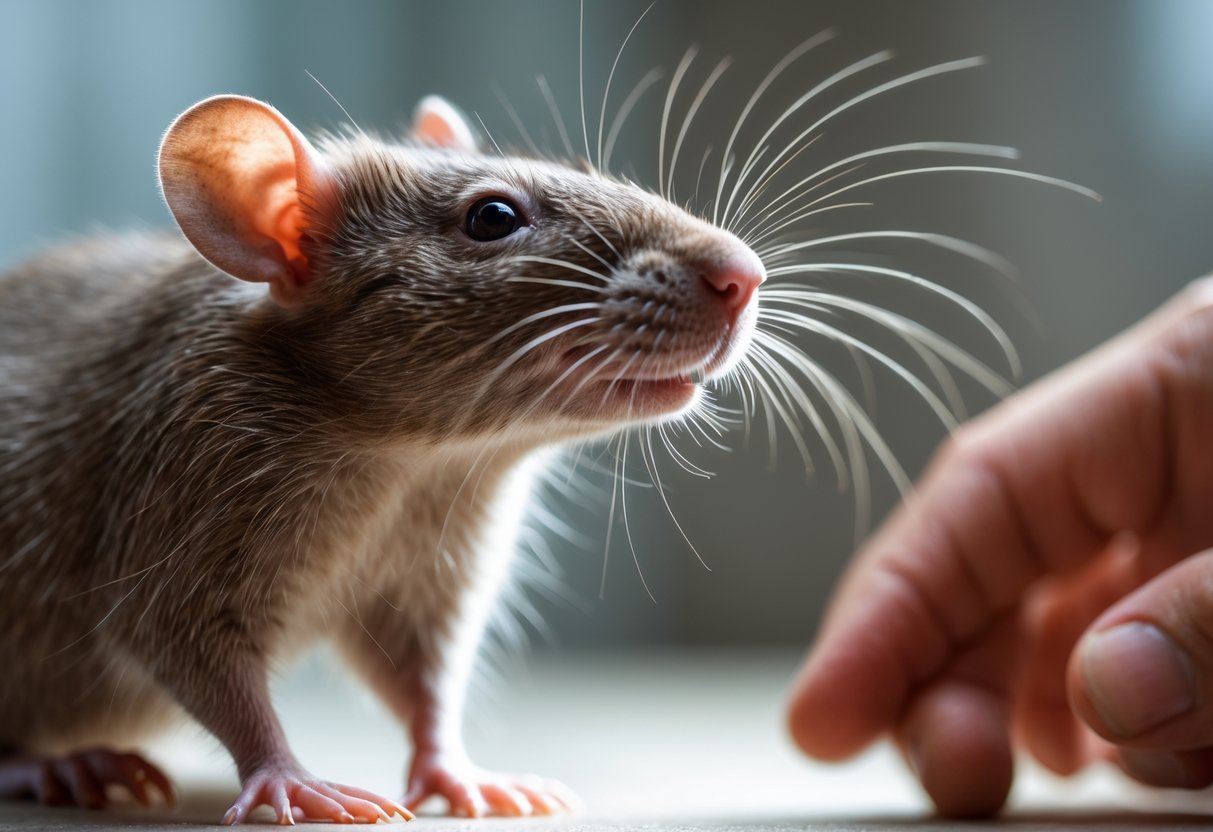
Smell is a powerful tool for rats. It shapes how they interact, cooperate, and even how they feel.
If you pay attention to how rats use scent, you start to see just how important their noses are for survival and social life.
Smell and Rat Social Communication
Rats use smell to communicate with each other all the time. They leave scent marks to share information about territory, identity, and mood.
You could say their noses are like social radios, sending and picking up important signals.
Rats can tell who’s nearby based on unique odors left behind. These scents help them recognize friends or rivals.
They also mark their space with scent, making it clear which areas belong to them. That way, there are fewer fights and less confusion.
A rat’s ability to pick up on detailed odor cues means it can notice subtle changes in others’ scent. This keeps them safe and helps keep order within rat groups.
Impact of Scent on Rat Cooperation
Smell plays a big role in whether rats help each other. Researchers found that rats are more likely to help another rat if they can smell it.
Scent-based recognition helps them decide who to trust or support.
When a rat smells a familiar friend, it might share food or even help free the other from a tough spot. Without this scent info, rats would struggle to identify allies or care for their group.
If you want to understand how rats cooperate, just look at how they use odor cues. These little signals influence their behavior and help them stick together in the wild.
Olfaction, Emotions, and Connections to Human Studies
Your rat’s sense of smell actually shapes its emotions. When rats sniff different scents, their behavior shifts—sometimes they act anxious or even a bit stressed out.
Researchers pay close attention to this. They use rats to model depression and anxiety, since the rat’s olfactory system affects emotions in ways that feel surprisingly familiar to us.
If you expose a rat to certain smells, you might notice more or less stress-related behavior. That’s exactly what scientists look for when they study how odors mess with brain activity and mood.
Digging into rat olfaction gives us a window into how smell and emotion connect, both in rodents and in people. Maybe that’ll help us figure out mood disorders or even come up with better treatments down the line.
Curious about how rats actually use their nose to guide behavior? Take a look at this research on rats tracking odors.


