
Ever wondered if rats can actually see in the dark? You’re definitely not the only one. Rats like to stay active at night or in dim places. But here’s the thing—they can’t see in total darkness. Their eyes, though, are made to work pretty well when there’s just a bit of light around. That gives them a big advantage when the rest of us would probably stub a toe.
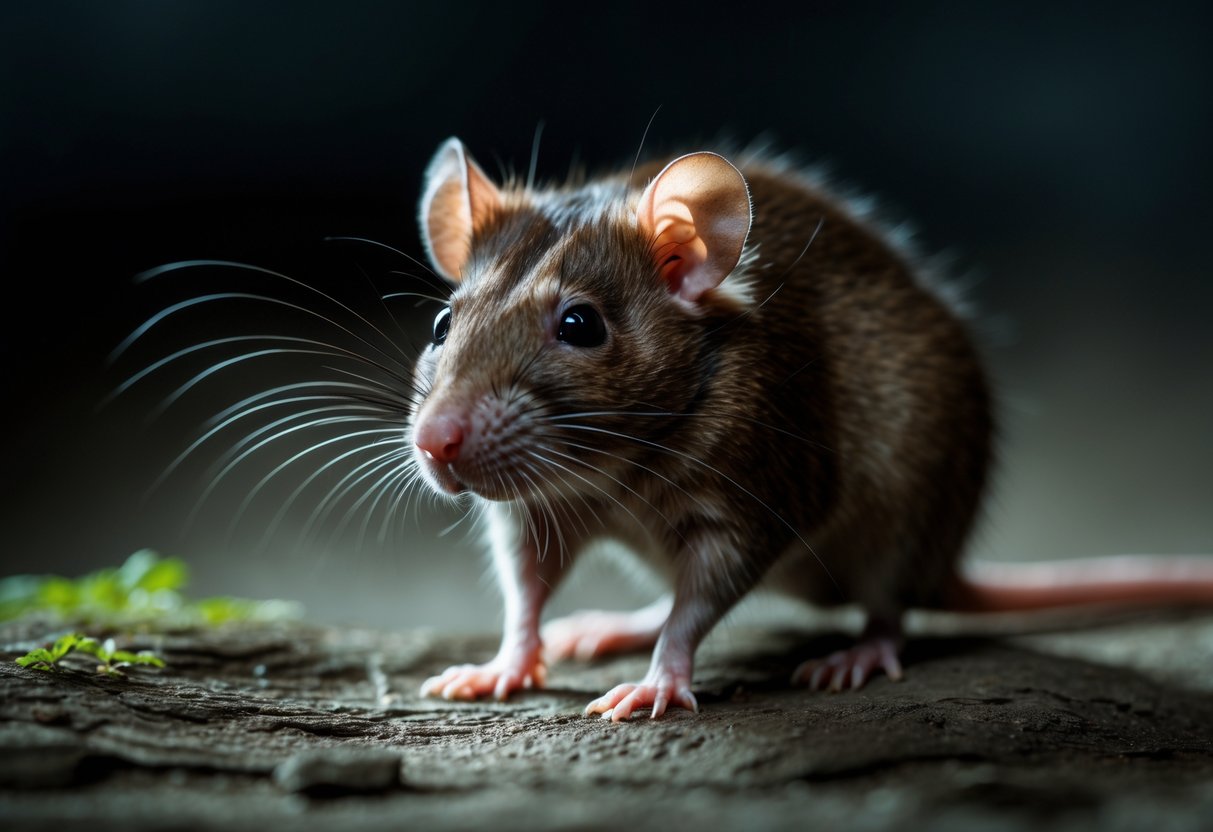
Rats use their eyes to catch even a little bit of light. But honestly, they lean much more on their crazy-sensitive whiskers, impressive sense of smell, and sharp hearing to figure out what’s around them. That’s how they sniff out food, dodge trouble, and poke around in places where you can barely see your own hand.
It’s pretty wild how their senses all work together. Rats aren’t just relying on vision—they’ve got a whole toolbox for nighttime exploring.
How Well Can Rats See in the Dark?

Rats have eyes that help them see when it’s dark, but not when it’s pitch black. They use special parts in their eyes and team up with their other senses to get around safely in dim places.
When you understand how rats see, you’ll get why they act the way they do when the lights are low.
Key Features of Rat Vision
Rats are crepuscular, which means they’re most active at dawn and dusk—those in-between times when the light’s fading. Their eyes have this cool layer called the tapetum lucidum. It reflects light inside their eyes, letting them make the most of whatever little light is around.
So, rats can see in light that’s about 6 or 7 times dimmer than what humans can handle. Still, their vision isn’t sharp at all. They see mostly blurry shapes and shades of blue and green. Reds? Not really on their radar.
You might notice that rats move their eyes in different directions. That’s so they can spot danger from all sides. Their eyes aren’t built for strong sunlight, and honestly, bright light just makes them uncomfortable.
Do Rats Have Night Vision?
Rats don’t have full-on night vision like cats or owls. They need at least some light to see what’s going on. If it’s totally dark, their eyes just don’t work.
Instead, they use their eye adaptations for those “in-between” light levels. That lets them explore and steer clear of predators when it’s darker out. But if you put a rat in a pitch-black room, it won’t spot much by sight alone.
Since rats need a little light, putting a dim light in your rat’s cage can help you watch them without stressing them out. It keeps things natural for them and lets you see what they’re up to.
How Rats Use Other Senses in Low Light
Because rats can’t see in total darkness, they really depend on their other senses. Their whiskers are a big deal—they push them forward and use them to feel what’s around, especially when it’s hard to see.
Rats also have a strong sense of smell and good hearing. These senses guide them way more than their eyes do when it’s dark. They sniff out food, pick up on predators, and recognize their friends mostly by scent and sound.
You’ll find that rats trust their whiskers and ears more than their eyes when they’re figuring out where to go. Even if they can’t see much, they’re still really good at moving around safely.
If you want more details on how rats see in the dark, check out this page about can rats see in the dark.
Rat Vision, Nocturnal Habits, and Keeping Rats Away

Rats keep busy when it’s dark out because bright light doesn’t work for them. They use their hearing and sense of touch to get around, not just their eyes.
Knowing how rats act at night can help you figure out smarter ways to keep them off your property.
Why Are Rats More Active at Night?
Rats are nocturnal, so they like searching for food and staying safe when the sun’s down. Their eyes don’t give them clear vision, so daylight actually bothers them and they hide.
Nighttime works better for their weak eyesight, but even then, things look fuzzy. They count on their whiskers to feel their way and use their sharp hearing to spot threats or find food.
Since rats don’t move around as much during the day, you’re more likely to hear them or spot signs of them at night, especially in quiet spots like garages or attics.
How Light Affects Rat Behavior
Bright lights hurt rats’ sensitive eyes, so they stay away from well-lit places. But just leaving the lights on all night won’t really keep them away from your house.
Rats adapt fast and will still move around in low light or even some lit areas if they feel safe. They can pick up on red and far-red light, so certain types of lighting might not bother them at all.
They just prefer dark, hidden spots for nesting and finding food without being seen.
So, if you want to keep rats away, you’ll need to use more than just lights. Combining lighting with other pest control steps works better.
Best Ways to Keep Rats Away
If you want to keep rats away, you’ll need to cut off their food, water, and shelter. Here are some practical tips I’ve found helpful:
- Seal holes and cracks around your home. Rats can squeeze through tiny gaps, so block those off before they find a way in.
- Store food in sealed containers. Don’t give them access to crumbs or pet food—rats will take advantage of anything left out.
- Keep garbage covered and move it away from your house. It’s amazing how fast rats sniff out trash.
- Remove clutter like piles of wood or cardboard. These spots make perfect hiding places for rats.
- Try using commercial sprays or smell-based repellents near entry points. Some people swear by them, though results can vary.
- If you can, park vehicles in a garage. That way, rats won’t get the chance to nest under your car’s hood.
If you think you’ve got a big rat problem, reach out to a professional. They’ll know how to handle it safely and thoroughly.
Curious about how rats see at night? Check out this detailed guide on how rats see in the dark.


