
Thinking about getting a pet rat? Or maybe you already have one and wonder, do pet rats bite? Honestly, pet rats rarely bite unless they’re scared, threatened, or feeling sick. Most of them come across as friendly and gentle, especially if you handle them with care and give them a little time to trust you.

Rats usually give off warning signs before they bite, like lunging or hissing. A bite can happen if your rat feels startled by sudden movements, loud noises, or pain.
Learning why your rat might bite helps you figure out how to make them feel safe around you. If you want tips on why rats bite and how to prevent it, stick around.
You’ll find some helpful advice to keep things peaceful and fun with your pet rat.
Why Do Pet Rats Bite?
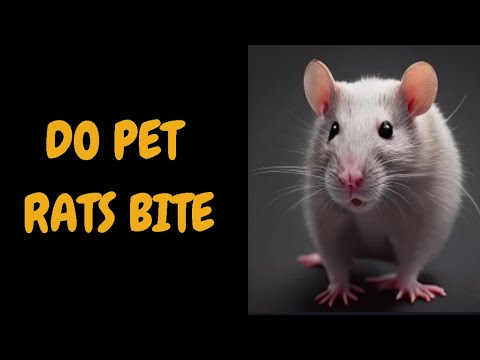
Pet rats don’t just bite out of nowhere—there’s always a reason. When your rat bites, it’s usually because it feels scared, hurt, or stressed.
Hormones or territorial instincts can also play a part. And sometimes, a rat that wasn’t socialized well as a baby is just more likely to bite.
Fear and Self-Protection
Fear tops the list of reasons pet rats bite. If your rat feels cornered or scared, it’ll bite to protect itself.
That doesn’t mean your rat is mean—it just wants to defend itself from what it sees as a threat. Rats that went through scary or rough experiences before might bite more often because they’ve learned that biting keeps them safe.
Still, most rats would rather run and hide if they can.
If your rat bites out of fear, gentle handling and lots of patience go a long way. Try not to make sudden movements or loud noises that could startle your rat.
For more on fear-based biting, you might want to check out this guide on why pet rats bite and how to stop it.
Health Issues and Injury
Pain or illness can make a usually sweet rat bite. If your rat feels unwell or hurts somewhere, it might bite when you touch that spot.
Health problems like neurological issues or tumors can also trigger sudden aggression. If your rat starts biting out of nowhere, take it to the vet to rule out anything serious.
Watch for other signs like tiredness, weight loss, or a change in appetite. These can mean your rat needs medical attention.
Hormonal and Territorial Behavior
Male rats, especially around 5 or 6 months old, can get a little nippy because of hormone changes. These shifts sometimes make them more aggressive, especially with other rats or when you’re near their cage.
Your rat might guard its cage and bite to keep you or other rats away. Neutering or castration can help tone down this behavior.
If your rat only bites when it’s in the cage but acts fine outside, it’s probably just being territorial. Managing cage aggression takes some time and patience, but you can improve it with steady, gentle handling.
Lack of Socialization
Rats that didn’t get handled much as babies might bite more. If your rat wasn’t used to people or gentle touches early on, it may see you as a stranger or even a threat.
New rats sometimes nibble or bite as they figure out how to interact. It’s a bit like how puppies or babies explore by mouthing things.
Teaching your rat to be gentle—with phrases like “no” or “gentle”—can help. Regular, patient handling and positive experiences with you will build trust.
Given time, a rat that bites because of poor socialization can turn into a loving companion.
For more advice on managing biting and understanding rat behavior, check out this article on pet rat biting.
Recognizing, Preventing, and Responding to Bites

Knowing what makes your pet rat bite, spotting the difference between playful nibbles and real bites, and keeping both you and your rat safe can make life easier.
Taking steps to prevent bites—and knowing what to do if you get bitten—will help you stay calm and handle things safely.
Signs of Aggression and Fear
Rats bite mostly when they feel scared or threatened. Look for signs like freezing, teeth chattering, standing tall on their back legs, or sudden lunges.
You might also notice rapid breathing, puffed-up fur, or loud squeaks. If your rat avoids your hand or tries to get away, it’s probably feeling uneasy or in pain.
Spotting these signs early lets you back off before a bite happens. Move slowly and talk softly to help your rat feel safe again.
Nibbling vs. Biting
Rats use their mouths to explore, so nibbling is usually gentle and curious. It might feel like a quick tap or soft chew and doesn’t hurt.
Biting, though, is harder and can break skin. This usually happens when your rat feels scared, threatened, or wants to protect its space or food.
If your rat is just nibbling, it’s usually harmless and might even mean it wants your attention. But a hard bite is a sign your rat’s really uncomfortable.
Reducing the Risk of Rat Bites
Give your rat some time to get used to you. Start by moving your hand slowly near the cage and speaking softly.
Keep things calm and quiet around your rat to avoid startling it. Don’t make sudden moves, and try to keep your voice gentle.
Make sure your hands don’t smell like food before reaching in. Move slowly and steadily when you pet or pick up your rat.
Try offering treats on your open palm instead of your fingers, so your rat connects your hand with good things—not just food to grab.
If your rat doesn’t like being picked up, coax it into a small box with a treat and carry it out gently. That way, you avoid forcing it into a stressful situation.
What to Do If Bitten: Safety and Health Risks
If your rat bites you, wash the wound right away with soap and water. That quick rinse can help stop infections like rat bite fever, which sometimes leads to fever, nausea, or joint pain.
Notice any runny wounds or redness around the bite? See a doctor as soon as you can.
You might want to dab on some antiseptic and keep the spot clean and dry. If the bite goes deep or won’t stop bleeding, don’t wait—get medical help.
Let your vet know if you think your rat is sick or hurt, especially if pain or illness caused the bite. Your rat might need some care, too.
Taking care of yourself and your pet after a bite makes a difference. It keeps you safer and might even help your rat behave better down the road.
Pet Rat Bites: Why they do it and how to stop them covers more about these behaviors.


