
So, how long do rats actually live in a house? Well, it really depends—mostly on things like food, shelter, and whether you’re actively dealing with them. Most rats in homes don’t make it past a year, usually sticking around for 6 to 12 months. But if everything lines up just right, a few might survive up to 3 years, though that’s rare. Knowing this gives you a bit of an edge when you’re trying to stay ahead of infestations.
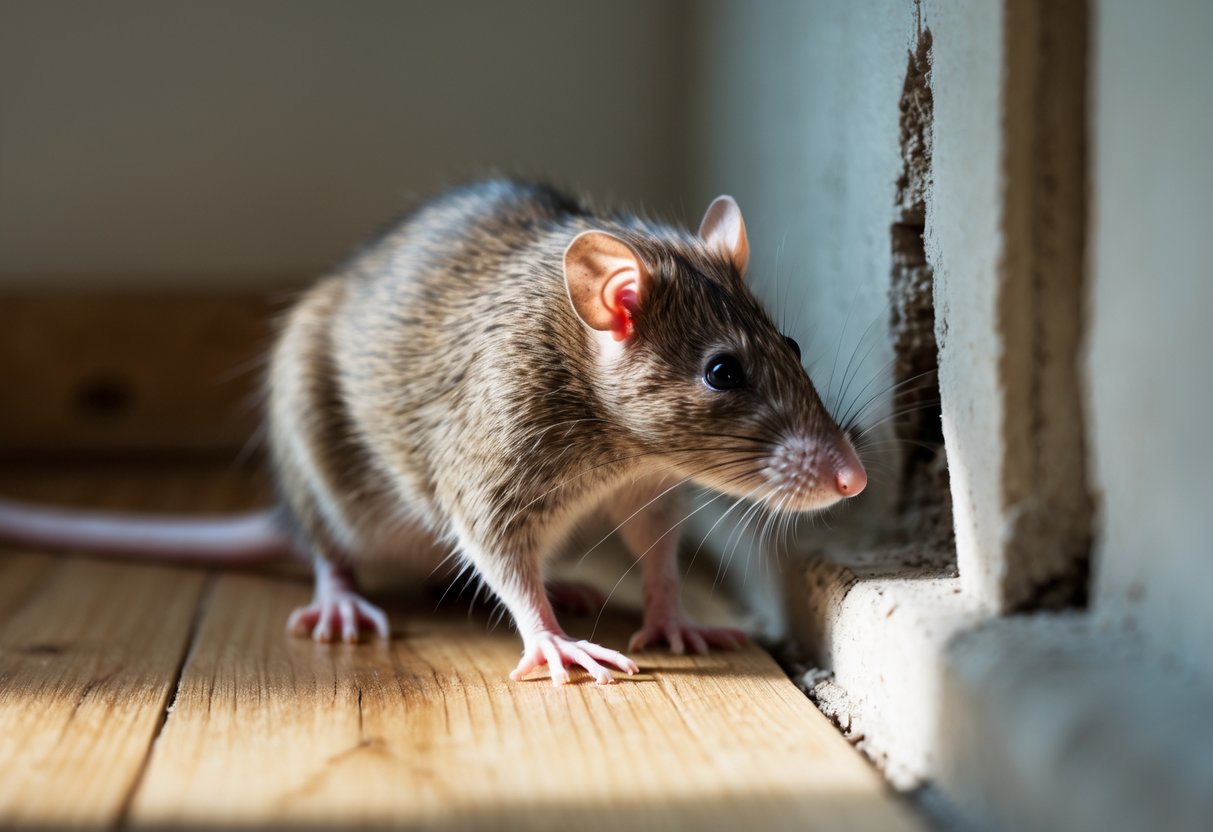
Rats breed fast once they get inside. Even a couple can turn into a headache before you know it. If you pay attention to their lifespan, you’ll have a sense of when to check for signs and when to act. Their life cycle moves quickly, and catching them at the right time can really make a difference.
Home Lifespan of Rats
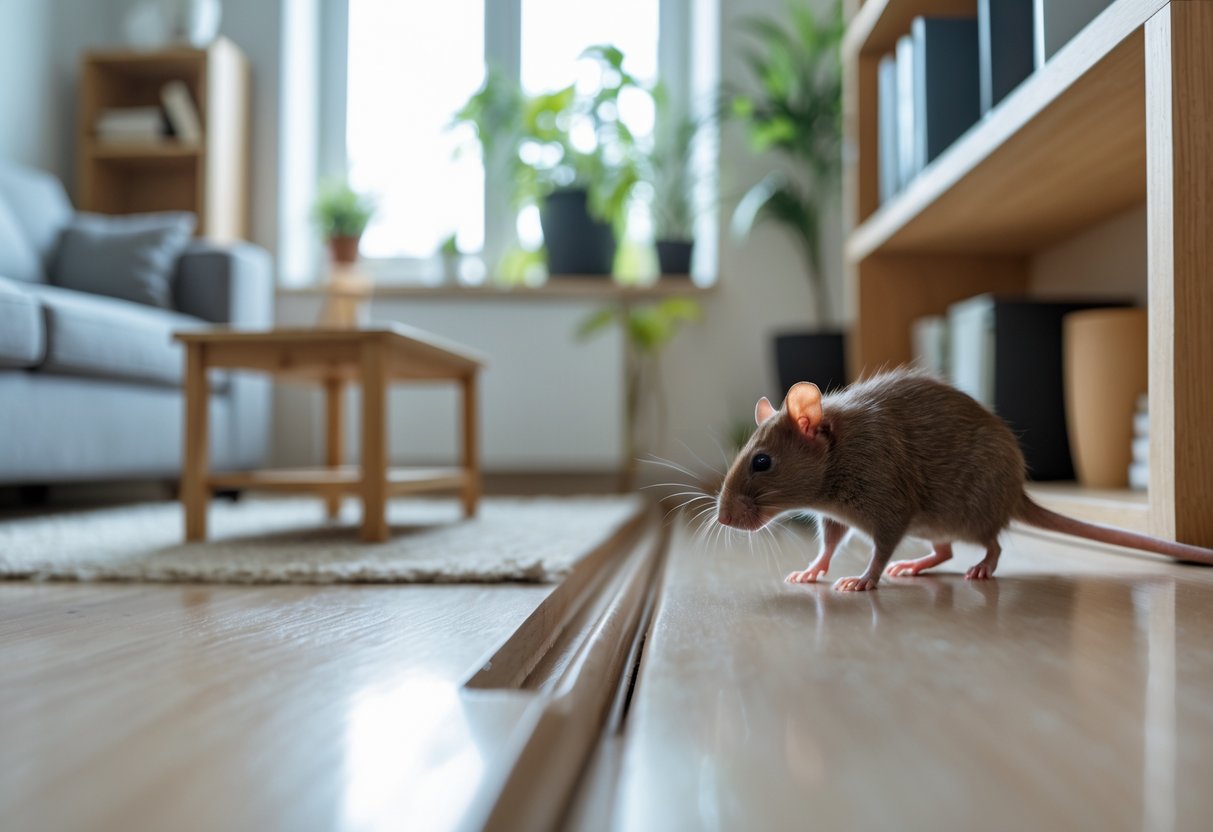
Rats living in houses usually outlast their wild cousins. Their survival mostly comes down to food, safety, and space. You’ll notice differences based on whether they’re wild, pets, or which species you’re dealing with.
Typical Lifespan Indoors
Rats that live inside your home tend to last longer than those outside. Pet and house rats often stick around for 2 to 3 years. They get regular food, water, and don’t have to worry much about predators.
But if their living space is dirty or cramped, their lives can get cut short. Rats mature quickly and breed often, so it’s important to keep numbers in check. Spotting the signs early helps since rats are clever and can hide surprisingly well.
Differences Between Wild and House Rats
Wild rats usually don’t live as long as the ones inside. Out in nature, they get about 1 year at best. They deal with food shortages, predators, and the weather—none of which are easy.
Inside your home, rats dodge most of those problems. They find food in garbage or leftovers and rarely meet predators. That’s why house rats can sometimes live twice as long as wild ones, and pet rats might even reach 3 or 4 years with good care.
Species Variation in Lifespan
Not every rat has the same lifespan. The two main types you’ll see at home are Norway rats and roof rats. Norway rats are bigger and usually live about 2 to 3 years indoors.
Roof rats are smaller and might have a slightly shorter run. The exact number depends on their environment and how much care they get. Pet rats, which are usually domesticated Norway rats, sometimes hit 4 years if you really look after them.
| Rat Type | Average Lifespan Indoors | Notes |
|---|---|---|
| Norway Rat | 2 to 3 years | Larger, common in basements |
| Roof Rat | 1.5 to 3 years | Smaller, prefers higher places |
| Pet (Domesticated Norway Rat) | Up to 4 years | Lives longer with proper care |
Factors Affecting Rat Longevity in Homes
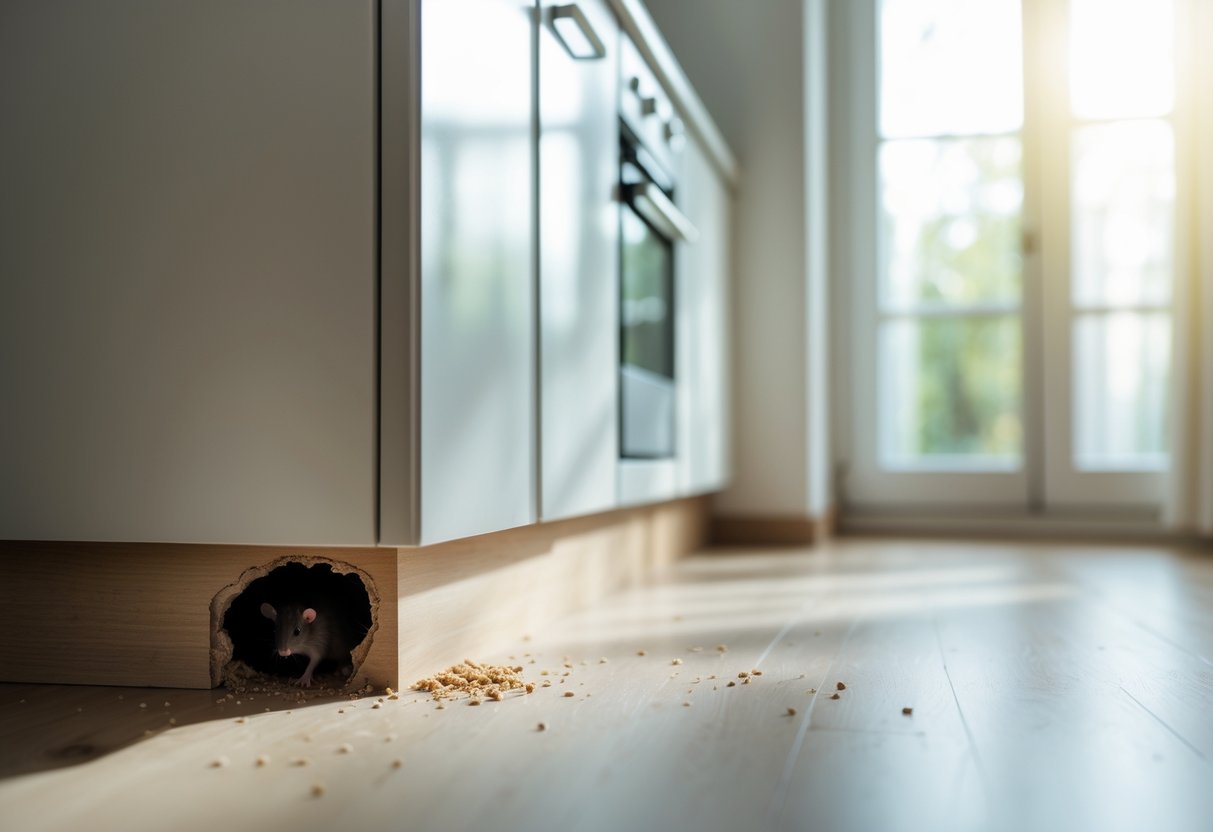
A bunch of things in your house can change how long rats stick around. What they eat, where they hide, and whether you use pest control all matter. Each factor shapes how well a rat can survive.
Food and Water Sources
Rats need steady food and water if they want to last. If you leave out leftovers, garbage, or pet food, you’re basically inviting them to stay longer. Open trash cans and easy snacks help rats reach breeding age faster.
Leaky pipes, dripping faucets, or pet water bowls also help rats out. Without water, they only make it a few days. Cutting off food and water is one of the best ways to deal with rats and lower the risk of diseases like salmonella.
Shelter and Nesting Areas
Rats look for safe, hidden places to nest. Cluttered basements, attics, wall gaps, and piles of stuff all make great shelters. The better their hiding spots, the longer they’ll survive—especially during winter.
Dark, warm spaces keep them safe from predators and bad weather. Rats love using shredded paper or old fabric to build nests. If you get rid of these nesting spots or seal them up, you’ll make your home a lot less appealing to rats and make pest control easier.
Presence of Predators and Pest Control
Natural predators—like cats, owls, or even snakes—tend to hunt rats and help keep their numbers in check. If you don’t have any of these around your home, rats often stick around longer and breed faster.
But honestly, even with predators nearby, rats can still take over if food and shelter are easy to find. They’re pretty resourceful.
People rely on pest control methods like bait stations, traps, and sealing up entry points. You’ve got to act fast after spotting even a single rat, or things can get out of hand before you know it.
Keeping things clean matters too. Dead rats and droppings can spread salmonella and other nasty germs, so proper sanitation helps cut down on disease risk.


