
Ever picture two massive cats meeting in the wild and wonder if they could actually mate? Nope — jaguars and lions don’t mate in nature, and any offspring only show up in rare, forced, or captive situations. Let’s get into why their ranges, personalities, and genetics keep them apart—and what happens when humans get involved.

There’s a lot going on behind the scenes—biology that blocks natural mating, a handful of hybrid cases in captivity, and some big conservation and ethical questions.
Can Jaguars and Lions Mate? Biological Possibility and Rare Hybrids
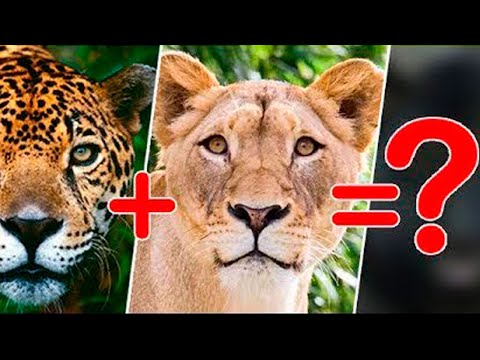
Jaguars and lions just don’t breed in the wild. They live on different continents and act pretty differently. In captivity, though, people have managed to create rare hybrids by pairing certain sexes and species, which changes the traits and health risks in their cubs.
Genetic Compatibility of Panthera Leo and Panthera Onca
Both animals fall under the genus Panthera, so their DNA is close enough that, sometimes, mating can result in young. Lions (Panthera leo) and jaguars (Panthera onca) have different chromosome setups and have evolved separately, so hybrids are rare and often can’t reproduce.
When hybrids do happen, the parent species and their sex matter a lot. Most often, a jaguar dad and a lioness mom produce a jaglion. That mix decides things like size, coat, and whether the cubs will be fertile.
Genetic mismatches can cause health issues: developmental problems, immune troubles, and low fertility pop up in many big cat hybrids. Scientists point out that mixing genes doesn’t help conserve either species. Honestly, breeding these hybrids usually satisfies human curiosity more than it helps the animals.
Documented Cases of Jaglions and Liguars
There are a few stories out there about jaguars and lions producing cubs in captivity. One of the best-known cases involved a jaguar and a lioness raised together who ended up having jaglion cubs. Stuff like this only really happens when people keep different big cats close together.
Most reports come from private places or sanctuaries, not well-known zoos. The cubs often show a mix of coat patterns—jaguar rosettes with a lion’s lighter coloring.
Health and behavior reports are all over the place. Some jaglions are muscular and striking, while others struggle with health or stress. Since only a handful of places have bred these hybrids, it’s smart to look for actual veterinary records before believing everything you read.
Big Cat Hybrids: From Ligers to Tiguars
You’ll see all kinds of Panthera hybrids out there, each with its own quirks. Ligers come from a male lion and a tigress, while tigons come from a male tiger and a lioness. Leopons are from a male leopard and a lioness. Tiguars or ti-ligers show up in even rarer pairings with tigers and jaguars or mixes with lions.
Hybrids usually have a mix of features: ligers can get huge, tigons are smaller, and leopons have leopard spots on a lion’s body. Most male hybrids can’t reproduce, but some females can.
If you’re curious about hybrids, keep in mind the ongoing debates. Breeding animals just for novelty isn’t great for their health and can pull focus from protecting wild cats. For more on the different Panthera hybrids and their backstory, check out Panthera hybrids and their history.
Captive Breeding, Conservation, and Ethical Implications

Captive breeding brings up a lot of questions about animal welfare, breeding plans, and whether it helps conservation at all. It’s worth digging into who’s breeding these hybrids, what problems can crop up, and if any of it actually benefits wild cats.
Hybrid Creation in Zoos and Private Breeding Facilities
Almost all jaguar-lion hybrids come from private breeders and a few roadside zoos—not from respected conservation zoos. These places usually breed big cats for novelty, profit, or private collections, not for any real conservation purpose.
Accredited zoos avoid cross-breeding and keep strict records to protect the species’ genetics. Private breeders might not manage genetics or provide enough veterinary care. That puts both parents and cubs at risk during birth and beyond.
If you ever visit or hear about hybrids, ask about the facility’s records, vet care, and why they bred the animals. Openness is a pretty good sign of responsible care.
Health, Behavior, and Welfare of Hybrids
Hybrids can end up with a weird mix of physical traits that cause health problems. You might notice dental issues, joint pain from mismatched bodies, or reproductive problems that make life tough. These animals often need more vet care than purebred big cats.
Behavior can get confusing too. A hybrid might inherit strong territorial instincts or odd social habits, which makes designing good enclosures and enrichment even trickier. They need bigger, carefully designed spaces and lots of stimulation to keep stress down.
Welfare goes downhill fast when facilities keep hybrids in cramped cages or sell them off without a plan for lifelong care. If you’re thinking about supporting a place, check to see if they fund vet care, enrichment, and long-term housing.
Conservation, Habitat Loss, and Poaching
Breeding hybrids doesn’t bring back wild jaguar or lion populations, and honestly, it doesn’t solve the problem of habitat loss either. It can even pull money away from real conservation work.
You should focus on programs that protect native habitats and help restore them. Reducing poaching matters more than supporting captive breeding just for tourism.
Conservation breeding can work, but only when people manage a single species with strong genetic plans. The best programs connect directly to habitat protection and anti-poaching.
When forests disappear because of logging or new development, wild animals still lose out—even if there are plenty in cages somewhere.
If you want to make a real difference, support groups funding patrols and building wildlife corridors. Community-based anti-poaching projects usually have a much bigger impact than private breeders showing off hybrids.


