
You’d probably assume every animal with “lion” in its name can roar, right? Turns out, that’s not always true. The mountain lion—also called a cougar or puma—is the “lion” that doesn’t roar. That simple fact opens up a pretty interesting story about anatomy, evolution, and the weird sounds cats actually make.

Let’s dig into why its throat bones keep it silent, what noises it does make, and how that difference connects to other big cats. It’s honestly kind of fascinating how a lack of roaring changes hunting, communication, and even the way scientists group these felines.
The Silent Lion: Mountain Lion’s Unique Voice

Mountain lions just don’t roar like African lions. Their throat anatomy, range, and vocal habits really set them apart from the big, noisy kings of the savannah.
Is a Mountain Lion a True Lion?
Nope. True lions belong to the genus Panthera. Mountain lions are part of the genus Puma, with the scientific name Puma concolor.
That difference actually matters. Panthera cats—think lions, tigers, leopards, jaguars—have a flexible hyoid bone that lets them roar. Mountain lions, on the other hand, have a fully ossified (that means bony and rigid) hyoid.
Since their hyoid is solid, mountain lions can purr all day long but can’t manage a deep, earth-shaking roar. It’s kind of a trade-off. The same structure that lets a lion blast out a thunderous call is the thing mountain lions just don’t have. This split in anatomy explains why the animal called a “lion” in North America doesn’t sound like the African lion you see on TV.
Other Names for the Mountain Lion
You’ll run into a bunch of names for Puma concolor across the Americas. People call it cougar, puma, panther (especially in the southeastern U.S.), catamount, and even painter.
These names reflect all sorts of local history and habitats. For instance, folks in Florida might say “panther,” while “puma” and “cougar” show up in scientific papers and everyday talk.
All these names point to the same species—the one that can’t roar. So if someone says they heard a “panther” or “cougar” screaming at night, they’re talking about the mountain lion’s wild, high-pitched call, not the deep roar of a Panthera lion.
Where Mountain Lions Live
Mountain lions roam from the Yukon in Canada, down through the U.S., and all the way into Central and South America. You’ll find them in mountains, deserts, forests, and even swamps.
They prefer places with cover and prey like deer, elk, and sometimes livestock. Their populations are patchy. Western North America has lots of them, but in the east, sightings are rare and usually involve loners or small, isolated groups.
In South America, they show up everywhere from Andean slopes to lowland forests. Their huge range explains why people have so many different names for them—and why stories about their sounds vary so much.
What Sounds Mountain Lions Make
Mountain lions have a whole sound library, but none of it’s a true roar. Here’s what you’ll hear:
- Scream: A loud, high-pitched shriek, usually from females during mating. Honestly, it’s pretty unsettling—it can sound like a person screaming.
- Growl and hiss: Short, sharp warnings when they feel threatened or want to protect a kill.
- Chirp/peep: Soft, bird-like noises that moms use to find their kittens.
- Purr: A low, steady rumble when they’re happy, especially between mother and young.
Their “scream” travels far and might be the most famous sound people hear at night. Unlike lions, which use deep roars to broadcast across the plains, mountain lions stick to these higher-pitched calls for close-range chats and mating.
If you want to dig deeper into how their calls differ from real lion roars, check out this overview of mountain lion vocal behavior: (https://flavor365.com/uncovering-the-silent-cat-which-lion-can-t-roar/).
Why Mountain Lions Can’t Roar: Anatomy and Roaring Cats
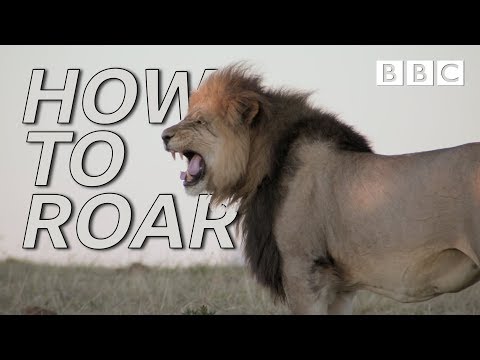
Mountain lions can purr and scream, but their throats just aren’t built for the deep, echoing roar of true big cats. It really comes down to a few small bones and where the larynx sits in the throat.
The Role of the Hyoid Apparatus
The hyoid apparatus is this tiny bone structure at the base of the tongue, right at the top of the throat. In mountain lions, the hyoid is fully ossified—so, totally solid bone.
That solid bone keeps the larynx higher and more fixed. A fixed larynx just doesn’t let the vocal folds stretch and vibrate much. Picture a stiff guitar string—it can’t make the same deep sound as a loose one.
Because the hyoid is rigid, mountain lions can purr both when they breathe in and out. Instead of roaring, they rely on hisses, growls, chirps, and of course, that piercing scream.
How the Lion Roar Works
Roaring cats have a hyoid that stays partly flexible. In lions and other roarers, some parts of the hyoid remain cartilage or ligament. That lets the larynx drop down lower, giving the vocal folds more room to move.
When a lion roars, the vocal folds vibrate at low frequencies, and the big resonating spaces in their throat amplify the sound. That roar is all about powerful airflow and special vocal fold shapes, creating deep tones that carry for miles. It’s how lions warn rivals and keep their pride together.
This anatomy, though, means roaring cats can’t purr continuously like mountain lions. Their vocal system just works differently.
Which Cats Can Roar?
Only a handful of big cats actually roar. Lions, tigers, leopards, and jaguars—all part of the genus Panthera—can produce that deep, rumbling roar you’re probably picturing right now.
The snow leopard’s a bit of an oddball here. It’s genetically close to Panthera, but it just can’t pull off a full roar since its hyoid and larynx aren’t quite flexible enough.
Other large cats, like the mountain lion (also called cougar or puma), cheetah, and all the smaller felines, have a solid hyoid bone. That means they can’t roar at all.
Instead, these cats stick to sounds that work for solo hunting or talking to each other up close. You won’t hear them broadcasting across the savanna like a lion.
If you’re curious about how mountain lions sound, there’s a good breakdown here: Wyoming’s mountain lions can’t roar like African lions, but they can purr.


