
Ever wondered if a lion could actually mate with a jaguar—and what the offspring would even look like? It turns out, yes, they can mate in captivity under some pretty unusual conditions, but it’s extremely rare and definitely doesn’t happen in the wild. Let’s dig into why genetics, geography, and behavior keep these big cats apart, and what really happens when people try to force them together.

You’ll see how scientists and zoos classify these hybrids, what people have actually seen in the handful of real cases, and how those examples stack up against other big cat crosses.
We’ll also touch on why conservation and ethics matter when humans get involved in mixing species.
Can a Lion Really Mate With a Jaguar?
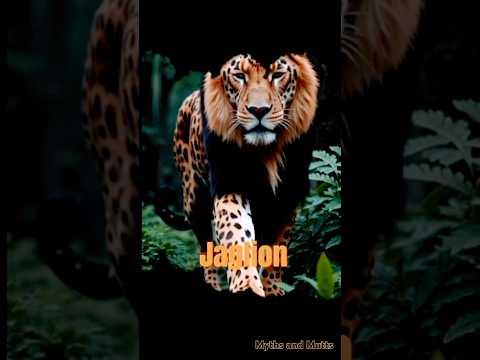
Let’s look at whether males or females from these two species can actually breed, what’s happened in zoos, and why biology makes most pairings unlikely (or even risky).
Hybridization Possibilities Between Lions and Jaguars
Lions (Panthera leo) and jaguars (Panthera onca) both sit in the Panthera genus, so technically, they can mate in captivity when people put them together. Crosses depend on parent sex: a male jaguar with a lioness creates a “jaglion,” while a male lion with a female jaguar would result in a “liguar.”
Most Panthera hybrids only happen with human help, since these cats live on different continents and have totally different habits.
If you see claims about hybrids, check if it was a captive, intentional pairing or just a weird accident. Zoos and sanctuaries have produced hybrids, but it’s rare and usually happens when animals get raised together or kept in mixed groups.
Documented Cases of Jaglions in Captivity
People have confirmed a few cases where a male jaguar mated with a lioness and produced jaglions. One well-known example happened at a sanctuary: a hand-raised jaguar and a lioness, who lived together, mated by accident and had two cubs.
Some museums even have mounted specimens labeled as jaglion or jaguar–lion hybrids.
When you read about these cases, look for details—like which animals were involved, when it happened, and where. Captive jaglions usually show a mix of features: they might have a lion’s base color but jaguar rosettes, and coat genetics (like melanism) can make them look even stranger.
Hybrid fertility is hit or miss, and the cubs sometimes need special care for health or behavior problems.
Genetic and Biological Barriers to Hybridization
Genetics and behavior make natural hybridization almost impossible. Lions and jaguars evolved on different continents, so they never meet in the wild. Even in captivity, their different mating signals, timing, and social styles usually keep them from pairing up unless people step in.
Panthera species can make hybrids, but male hybrids often turn out infertile, and health effects can be unpredictable. Their chromosome counts are close enough for embryos to form, but developmental issues or stillbirths sometimes happen.
Honestly, breeding hybrids brings up a lot of welfare and ethical concerns, so most modern zoos steer clear of these experiments.
Other Big Cat Hybrids and Related Species

Let’s check out some famous hybrids, other jaguar crosses, and how their patterns and colors can get pretty wild. You’ll see some clear examples, typical traits, and notes on fertility and captivity.
Well-Known Hybrids: Liger, Tigon, and Leopon
You’ve probably heard of the liger—the offspring of a male lion and a female tiger. Ligers often grow way bigger than either parent because of growth genes from the lion and less growth-limiting genes from the tiger.
They can live in captivity and sometimes end up as animal celebrities, but they often struggle with health and joint problems.
A tigon comes from a male tiger and a female lion. Tigons usually stay closer to the normal size of their parents, and they might show mixed striping or a faint mane if they’re male. Fertility’s all over the place—female tigons are more likely to breed than males.
The leopon is a cross between a male leopard and a female lion. You’ll notice a leopon has a body shape like a lioness but with leopard spots. These hybrids show how Panthera traits can blend.
People breed these mixes almost entirely in captivity, since the wild ranges don’t overlap.
Jaguar Hybrids Beyond the Jaglion
The jaglion is probably the most famous jaguar-lion mix, usually from a male jaguar and a lioness. Jaglions often have jaguar rosettes on a tawny background and look a bit more compact and muscular.
Breeders and reports throw around other names when jaguars cross with different big cats: jagupard, leguar, lepjag, lijagulep, and lipard pop up in informal lists. These names usually refer to jaguar-leopard or jaguar-leopard-lion mixes, but scientists don’t officially recognize them.
Most of these hybrids come from animals raised together in captivity.
Jaguar hybrids face the same fertility problems and genetic health issues as other Panthera crosses. Conservationists point out that making these mixes doesn’t help wild populations and often leads to animal welfare concerns.
Physical Traits: Coat Patterns and Melanism
Check out hybrids, and their coat patterns really jump out at you. When a patterned species like a jaguar, leopard, or tiger mates with a plain-colored lion, you usually get rosettes, spots, or faint stripes on a lighter background.
Take ligers, for example. They often have sandy coats with those faint tiger stripes. Jaglions? They show off jaguar rosettes mixed with the warm tones of a lion’s coat.
Melanism—basically a super dark or black coat—sometimes shows up in hybrids if one parent carries that gene. You’ll notice this most often when leopards or jaguars are in the mix. Sometimes, you’ll spot a hybrid that looks almost black, but if the light hits just right, you can still see those hidden spots.
Here are a few quick traits to check:
- Coat pattern: rosettes, spots, stripes, or a mix.
- Mane or neck ruff: usually shows up in male-lion crosses.
- Body build: more compact if there’s jaguar or leopard, or taller if lion or tiger genes dominate.
These visual clues make it a bit easier to guess the parent species when you’re looking at captive hybrids.


