
You’ll spot lionesses flipping onto their backs right after mating. That quick move says something pretty basic but important: they mostly roll to relieve irritation from the male’s barbed penis and to help the reproductive process.
This action ties into scent and social signals too, so one behavior ends up serving several purposes at once.

As you read on, you’ll see how mating fits into lion social life. Anatomy, timing, and pride dynamics all shape this ritual.
The next parts break down the physical reasons, possible effects on paternity, and how this fits into a lioness’s mating cycle.
Why Lionesses Roll After Mating
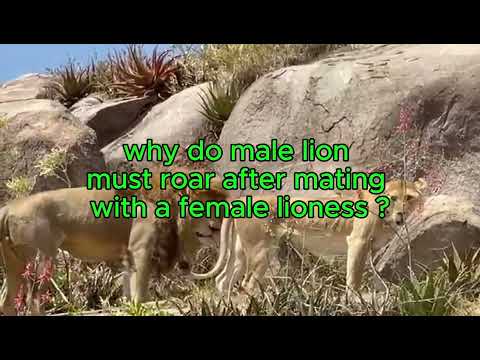
You’ll find three main reasons lionesses roll after mating. They want physical relief from irritation, they might influence which male sires cubs, and they send signals to other pride members.
Each reason connects to anatomy, mating patterns, or the social scene.
Physical Relief and Anatomical Reasons
Male lions have small backward-facing barbs on their penis. Those barbs trigger ovulation but also scrape the lioness’s vaginal walls during mating.
That scraping causes irritation or discomfort right after. Rolling on the ground lets the lioness ease that irritation.
She flips, rubs, and presses her belly into the dirt. This quick move helps her shift position and maybe get rid of debris or extra fluids.
The motion might even boost blood flow and reduce soreness. You’ll notice this behavior after almost every copulation, and it happens fast after the male dismounts.
Videos and field notes often show the lioness rolling again and again during a long mating cycle, which can include many matings in just one day.
Sperm Competition and Reproductive Strategies
Lions often mate with multiple males during a single heat period. Sperm from different males compete to fertilize the egg.
Rolling and turning might change how sperm and fluids sit in the reproductive tract. By moving around, a lioness could shift or redistribute semen, possibly affecting which male’s sperm gets there first.
Researchers still debate how much control she really has, but the behavior could give her some indirect say over paternity.
Rolling seems to happen more often after mating with high-ranking males, hinting at a link between social status and reproductive strategy.
Observational studies notice this pattern, which helps explain why the rolling shows up so reliably after mating.
Social Signaling Within the Pride
Rolling also sends messages to other lions. The act spreads scent from the mating onto the ground and onto her own coat.
That scent lets other males know mating happened, and tells females a reproductive event is underway. Rolling might lower immediate male aggression by showing the mating’s done.
Or maybe it advertises receptivity to other males during a long mating period. In tight pride structures, these signals matter for dominance and who gets to mate next.
The behavior changes with context. A lioness might roll differently after mating with the dominant male than with a lower-ranking one.
Observers connect these differences to scent marking and social bargaining inside the pride.
Understanding the Mating Process of Lionesses

Let’s talk about how mating actually happens and how often it repeats during a lioness’s fertile days. You’ll get a sense of the steps, who’s involved, and the timings that shape what happens right after.
Typical Mating Ritual and Behaviors
Mating starts with close contact. The male and female rub faces, nuzzle, and follow each other around for hours.
You’ll see short, intense copulations that last just a few seconds—not long sessions. The male mounts from behind and dismounts quickly.
His penis has those backward-pointing barbs that help trigger ovulation. After each copulation, the female usually stands, then rolls on her back or side.
She might groom herself, growl, or even swat the male if she’s irritated. Mating pairs repeat this sequence many times in a day.
Other pride members might stick close, and the female’s movements and sounds give males hints about her receptivity.
Frequency of Mating and Estrus Cycle
When a lioness goes into estrus, she might mate every 15 to 30 minutes. This can go on for several days.
You’ll probably see a flurry of matings during the 2–7 day fertile window. Things tend to get especially intense around the middle of that period.
Lions mate so often because ovulation usually needs physical stimulation. You might notice a spike in activity when a female first comes into heat—or if other males show up and start competing.
All this frequent mating pumps out strong scents and loud vocalizations. These signals stir up the pride and spark more competition among the males.


