
So, you’ve probably heard that some animals can change their sex. But what about frogs? Can they pull off the same trick? Turns out, yeah—they can, but it’s not something you see in every frog species, and it’s rarely simple.
Some frogs change gender, especially while they’re still tadpoles. It usually happens as a way to adapt to what’s going on around them.
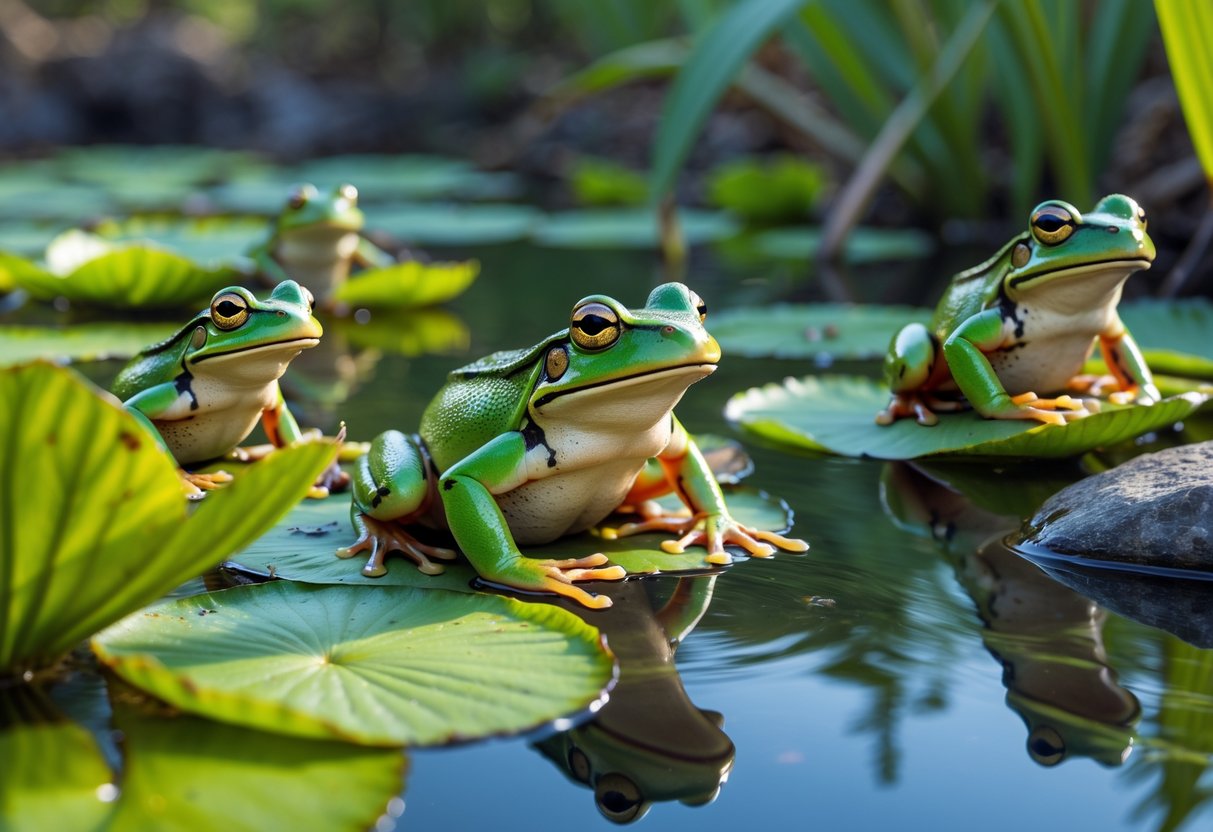
This isn’t as direct as what you’d see in certain fish. Things like temperature or chemicals in the water can influence it. You’ll notice more gender changes in frogs living where pollution or environmental shifts mess with their habitats, but surprisingly, it happens in untouched places too.
Curious about which frogs can do this, why they bother, and what it means for them? Stick around. Nature’s flexibility is honestly pretty wild. If you want to dig deeper, there’s more info in recent studies on green frogs.
How and Why Frogs Swap Genders

Frogs actually show more gender flexibility than most people expect. Normally, their sex gets set early, but a few species can switch things up depending on their environment or social situation.
This flexibility helps them survive and keeps their populations in check.
Natural Sex Determination in Frogs
Most frogs start out as male or female, and their genes decide that. The process kicks in when they’re still tadpoles.
Their sex organs form early and decide if they’ll be male or female frogs.
But frogs don’t always stick to fixed sex chromosomes like mammals or birds do. Sometimes, outside factors can nudge things in a different direction.
Some species show more than just the usual male or female options.
Once frogs become adults, you rarely see them change sex. Most of the action happens while they’re still tadpoles.
This setup gives frogs a way to adapt in certain environments without messing up their ability to reproduce.
Environmental Triggers of Gender Change
Certain situations push frogs to switch genders. In places where there aren’t enough males or females, for example, some female frogs can turn into males.
Temperature swings and chemicals in the water, like pesticides, also play a part. Pollution can bump up estrogen in the water, which sometimes turns male frogs into females.
Even in clean places, heat or other changes can trigger a sex change.
This ability helps frog populations keep a good balance between males and females. It’s honestly a clever trick for survival.
Notable Examples of Sex Reversal in Frog Species
Some frogs pull off gender swaps better than others. Green frogs (Rana clamitans) have changed sex both in polluted and untouched spots.
Researchers think things like temperature or local conditions set this off.
The African reed frog can turn females into males if the group’s missing males. Their ovaries actually transform into testes and start making sperm.
That keeps the population steady.
Scientists have found frogs in suburban ponds that switched sex because of chemicals like atrazine. But even in wild forests, some frogs just do it naturally.
It’s pretty amazing how frogs adjust their gender when they need to. If you want to know more, check out this article about frogs changing sex in natural settings.
Influence of Habitat and Chemicals on Frog Gender

Where frogs live—and what they run into—can really shake up their gender balance. Both natural and human-made factors play a role.
Sex Changes in Suburban Ponds
In suburban ponds, you’ll often spot more female frogs than males. That’s partly because some males change into females even when pollution isn’t a factor.
But also, males tend to die off more in these spots.
Water in these areas can carry hormones or chemicals that nudge things along. Still, it’s not just pollution doing the work—nature itself gets involved.
So if you wander by a suburban pond and see mostly females, it’s probably a mix of both natural and environmental reasons, even if you can’t spot them right away.
Impact of Atrazine on Male Frogs
Atrazine, a common farm herbicide, often ends up in nearby water. When male frogs get exposed to it, their hormones can get thrown off.
Here’s what happens:
- Some males completely turn into females.
- Others lose their usual male traits, like loud croaking or the ability to make babies.
- Their testosterone drops, making it tough to mate.
Atrazine-exposed males start acting and looking less like typical males. Even worse, they struggle to fertilize eggs.
If you care about frogs near farms or suburbs, atrazine is definitely something to watch out for. It can mess up the gender balance and make it harder for healthy male frogs to thrive.
Research Debates and Conservation Implications
Scientists can’t seem to agree on just how serious frog sex changes really are. Some argue that chemicals like atrazine definitely mess with frog genders and threaten populations.
But others point out that frogs sometimes switch sex naturally, or that these chemicals don’t always have major impacts. It’s honestly a bit of a puzzle.
So, conservation work tends to zero in on local frog species and the pollution they’re actually facing. If you’re in wildlife protection, you’ll probably spend a lot of time checking water for chemicals and watching how frogs are doing.
If you notice fewer male frogs, or see more turning female, it might be time to step in. That info can really shape how you try to keep frog populations healthy.
Curious about the details? You can dig into studies like the one exploring how atrazine triggers sex changes in frogs.


