
Yeah, chimpanzees can definitely hurt people, and honestly, their strength makes their bites and attacks a big deal. They’re way stronger than humans—especially those arms—and if they feel scared or threatened, they can cause deep wounds or even break bones.
It’s easy to think they look playful, but don’t let that fool you. They can flip to aggressive in a heartbeat.

If you ever find yourself near chimpanzees, maybe on a safari or at a sanctuary, your safety really depends on how you act. Keep calm, stay back, and follow whatever rules the guides set.
Knowing how they behave can protect you—and them, too.
Learning why and how chimpanzees might attack gives you a more realistic picture of these animals. It’s better to appreciate them safely than underestimate just how strong and unpredictable they are.
If you want more details, check out chimpanzee dangers and attacks.
How And Why Chimpanzees Can Hurt People
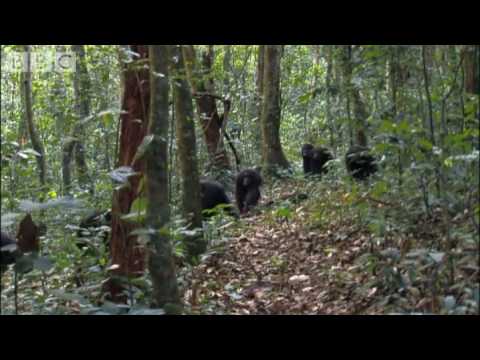
Chimpanzees are strong, smart animals, and sometimes they hurt people. Their strength, behavior, and environment all matter when it comes to injuries.
Let’s look at what’s behind their attacks, when they get aggressive, some real-life examples, and how they stack up against other primates and monkeys.
Physical Strength and Types of Injuries
Chimpanzees are about one and a half times stronger than an average adult man. Their muscles work differently, letting them use more force than we can.
Because of this, their bites and hits can cause serious harm. You might see:
- Deep wounds from nasty bites
- Bruises or broken bones from strong hits
- Cuts from those sharp teeth
- Sometimes, injuries that can be fatal if things get out of hand
Even a sudden outburst can be dangerous. So if you’re near a chimp, being careful is a must.
You can read more about the risks of their strength and bites at Why are Chimpanzees Dangerous? Understanding the Risks.
Aggressive Behaviors in Chimpanzees
Chimpanzees can go from friendly to aggressive pretty fast. They usually do this to protect themselves, their group, or their territory.
They use aggression to send a warning or fight off rivals.
You might notice:
- Loud screaming or vocalizing
- Showing their teeth or shaking branches
- Charging at threats
- Attacking if they feel trapped or scared
Their aggression is just part of who they are. Studies actually show that chimps naturally defend and fight, especially when it’s about their group.
If you’re curious about why they act this way, check out Chimps Are Naturally Violent, Study Suggests.
Notable Incidents of Chimpanzee Attacks
Chimpanzee attacks on humans don’t happen all the time, but when they do, they’re serious. These attacks often happen when people get too close or when chimps feel threatened.
Some known cases include:
- Attacks in wildlife parks or sanctuaries when chimps defend their space
- People keeping chimps as pets and getting attacked after a sudden change in the animal’s mood
- Conflicts in places where humans and wild chimps live close together
These stories remind us that chimps are wild animals with strong instincts.
For more details and stories, visit Chimps Attacking Humans: Playful Primates or ….
Comparison With Other Primates and Monkeys
Chimpanzees are both stronger and more aggressive than most monkeys. Monkeys might bite or scratch, but usually don’t do as much harm.
Here’s a quick comparison:
| Animal | Strength Compared to Humans | Typical Behavior |
|---|---|---|
| Chimpanzees | 1.5 times stronger | Can be aggressive, powerful bites |
| Monkeys | Similar or less strong | Often curious or defensive, less dangerous |
| Other Primates | Varies | Most avoid humans unless threatened |
Chimps are actually closer relatives to humans than monkeys are. Maybe that’s why their reactions can be a bit more complicated.
It’s always smart to treat chimps with respect and caution, knowing what they’re capable of.
If you want to know more about chimp behavior, check Are Chimpanzees Dangerous?.
Factors That Increase Chimpanzee Attacks

Certain situations make chimpanzee attacks more likely. These include when their homes get disturbed, when they get used to human food, and when people get too close—either visiting or living nearby.
Human-Wildlife Conflict and Habitat Loss
When people move into chimpanzee territory, it creates tension. Chimps see humans as threats to their space.
They’ll act aggressive to defend their territory.
Farming or logging destroys their homes and pushes them closer to villages. As their forests shrink, they run into people more often.
The International Union for Conservation of Nature (IUCN) points out that this stress can make chimps more unpredictable.
If you’re near forests, don’t surprise chimps or block their way. Giving them space lowers your risk.
Impact of Human Food and Feeding
Chimps that get used to human food lose their fear of people. This happens a lot with captive chimps or those living near towns.
When chimps expect food from humans, they can get bold or even aggressive if they don’t get what they want.
Feeding chimps just encourages this, and attacks often target faces, hands, or feet.
Don’t feed chimps or leave food where they can grab it. That’s better for you and for them.
Risks to Tourists and Local Communities
If you visit chimpanzees and ignore safety rules, you’re putting yourself at risk.
Guides usually lead small groups and help everyone keep a safe distance—about 7 meters, or 23 feet. That space really helps keep chimps calm.
But let’s be real, if chimps feel threatened or boxed in, they could attack.
People living near chimp habitats often run into chimps more often, especially if they farm or gather things close by.
You can lower your risk of injury by wearing protective clothing and actually listening to the experts.
Honestly, just learning a bit about chimp behavior goes a long way. It’ll help you keep your cool and avoid problems, whether you’re visiting or living nearby.
Curious about how dangerous chimps can get? There’s more info on how bad a chimpanzee can hurt you.


