
Ever wondered if chimps can actually be friendly? Well, yeah—they can, but it’s not always that simple.
Chimps definitely show warmth and affection, especially when they feel safe, like in sanctuaries.
Their friendliness really depends on their mood and what’s happening around them.

If you spot chimps in the wild, you might see them act curious or playful, but they can get pretty cautious or defensive too.
They build strong bonds by grooming and playing together, which is their way of showing friendship.
Once you start noticing these behaviors, you’ll see chimps as social animals with real feelings and relationships—not just wild creatures out there.
Some chimps living in sanctuaries, especially those cared for over time, act more openly kind toward people.
Still, even the friendliest chimps are powerful, so it’s smart to keep a respectful distance.
Curious about when and how chimps show friendliness? Let’s dig in.
What Makes Chimps Friendly? Exploring Social Behaviors

Chimps show friendliness through actions that help them form and keep strong connections.
Their social life includes close bonds, shared activities, and the way they react to each other’s behavior.
You’ll see these traits in how they groom, play, and pick their friends.
Where they live also shapes how friendly they act.
Grooming and Its Role in Social Bonds
Grooming isn’t just about cleaning fur.
When chimps groom each other, they build trust and show they care—a bit like a handshake or a hug for them.
They spend lots of time grooming close friends and family.
This habit helps everyone stay calm and keeps the group peaceful.
Some chimps get more grooming, depending on how close they are to others.
If you watch chimps for a while, you’ll notice grooming shows who matters most to them.
It’s a big part of their social system and helps friendships last.
Play Behavior and Behavioral Contagion
Play isn’t only for young chimps—it helps adults too.
When chimps chase, wrestle, or make silly faces, they’re building bonds and learning how to cooperate.
One chimp might start playing, and soon others join in.
That’s called behavioral contagion—friendly acts spread through the group like a little chain reaction.
This playful energy keeps the group tight and ready to work together.
It’s one of the main ways chimps show friendliness and build teamwork.
Friendship and Social Relationships Among Chimps
Chimps organize their friendships in a way that’s oddly similar to humans.
Some friends are very close, while others are more distant.
Friendships help keep the group safe and offer support.
Their social relationships include grooming, sharing food, and just hanging out.
Chimps can be picky with their friends, choosing who to trust carefully.
These bonds last for years and change as chimps grow older.
Some friends stick around, while others drift away—which shows their social needs stay strong throughout their lives.
Differences Between Wild and Captive Chimps
Where chimps live really affects how friendly they are.
Wild chimps face predators and competition, so their friendliness tends to be more cautious.
In captivity, like in a sanctuary, they feel safer.
They groom and play more openly, showing more warmth and affection.
Researchers notice that captive chimps form close bonds faster, but they still choose friends thoughtfully.
Both wild and captive chimps show friendly social behaviors, but you’ll see more relaxed and frequent interactions when the environment feels safe.
Want to dig deeper? Check out this detailed look at chimpanzee social behaviors.
Chimps and Humans: Interactions, Trekking, and Where to See Them
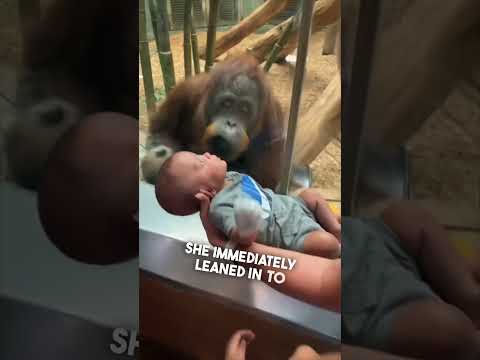
Chimps can act both friendly and cautious around humans.
You can actually observe them safely during guided treks in several East African parks.
Knowing how to interact with chimps and where to find them helps you enjoy these encounters while respecting their wild side.
Are Chimps Friendly to Humans?
Chimps share almost 99% of their DNA with us, so sometimes you’ll see them show affection or empathy.
But let’s be honest—they’re still wild animals.
In the wild, most chimps keep their distance from people and might get defensive if they feel threatened.
Some chimps in sanctuaries or research centers get more comfortable around humans.
Those chimps might hug or groom familiar caretakers.
Even in captivity, chimps can be unpredictable and sometimes aggressive.
It’s important to respect their space—they’re not pets, and their mood can change fast.
Chimpanzee Trekking in East Africa
You can trek chimps in Uganda’s Kibale National Park, Budongo Forest, Queen Elizabeth National Park, and Kyambura Gorge.
Rwanda’s Nyungwe Forest National Park and Gishwati Mukura National Park are also great options.
During trekking, small groups follow chimps from a safe distance.
Guided tours help you spot chimps grooming, feeding, or playing.
Kibale National Park in Uganda is even called the “primate capital,” and it’s probably one of the best places for chimp trekking.
These treks give you a rare chance to see chimps in their natural habitats and support conservation at the same time.
Trekking usually takes a few hours, and guides who know chimp behavior lead the way.
Safety and Guidelines for Encounters
If you want to stay safe while watching chimps, here’s what you should do:
- Always keep a safe distance from chimps.
- Don’t make direct eye contact—chimps might take it as a challenge.
- Move slowly and try to stay quiet.
- Listen to your guides. They know what they’re doing.
- Never try to touch or feed chimps. Seriously, just don’t.
These rules aren’t just for you—they keep the chimps comfortable, too.
Guides work hard to make sure your visit doesn’t stress out the animals or mess up their routine.
When you respect the chimps and their home, you actually help them thrive.
If you’re curious about more hiking or wildlife encounters, maybe check out Uganda’s Kalinzu Forest or Rwanda’s Virunga National Park.
You’ll find expert guides there who know how to lead respectful, safe interactions with chimpanzee groups.


