
If you’re curious about whether chimpanzees can live for 50 years, you’re definitely not alone. Lots of people wonder how long these close relatives of ours can actually survive, both in the wild and in captivity.
Chimpanzees usually live around 40 years out in the wild. But when people care for them in captivity, they can make it to 50 years—or even longer in some cases.

Chimpanzees do well in different environments, but the care they get really shapes their lifespan. In captivity, where folks keep predators and food shortages at bay, chimps often make it past 50, sometimes even into their 70s.
It’s kind of amazing how much their lifespans can change depending on where they live and how much support they get.
Learning about how long chimpanzees live gives you a window into their lives and the challenges they face out there. Their lifespan shifts a lot between the wild and captivity, which says a lot about what they need for conservation and care.
If you want more details, you might want to check out some chimpanzee lifespan facts.
Can Chimpanzee Live for 50 Years?
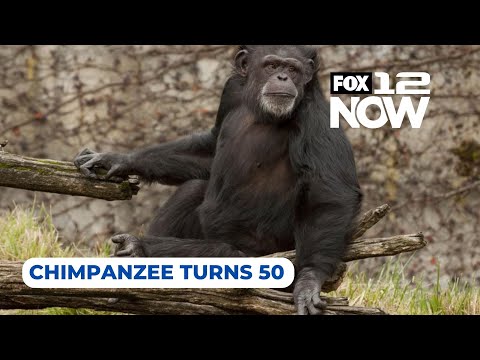
You might wonder if chimpanzees really reach 50 years or more. Their lifespan depends a lot on their environment and the care they get.
Some chimps outlive others, and although they age in ways similar to us, there are some differences.
Typical Lifespan in the Wild Versus Captivity
Wild chimpanzees usually make it between 30 and 40 years. Most don’t hit 50, since they deal with predators, disease, and injuries. The wild is tough, and food isn’t always easy to find, which takes a toll.
In captivity, chimpanzees often live a lot longer—usually 50 to 60 years. They get regular meals, medical attention, and don’t have to worry about most dangers. Some even make it into their 70s if they’re in a good sanctuary or zoo.
Fewer risks and better healthcare really stretch out their lives. If you’re curious, you can look into chimpanzee lifespan studies for more info.
Exceptional Cases of Longevity Among Chimpanzees
Most wild chimps don’t reach 50, but there are a few standouts. Some chimps in sanctuaries have reached their 70s and even 80s.
One famous female chimpanzee named Cheetah lived to 82 in a sanctuary. That’s pretty wild, right?
These cases show what good care and a safe setting can do for their longevity. Still, these are rare stories.
If you want to see just how much chimpanzee lifespans can vary, records from sanctuaries are worth a look.
Chimpanzee Aging Stages and Human Age Comparison
Chimpanzees don’t age at the same pace as humans, but they do hit similar life stages. A young chimp grows up faster, reaching adolescence around 10 to 15 years old.
If a chimp lives 50 years in captivity, that’s kind of like a human living up to 80.
Here’s a basic comparison:
| Chimpanzee Age | Human Age Equivalent |
|---|---|
| 1 year | 3-4 years |
| 10 years | 30 years |
| 20 years | 50-60 years |
| 50 years | 80 years |
This kind of chart helps you see how chimps grow and age next to humans. It also shows why longer protection matters.
Factors That Affect Chimpanzee Lifespan

Different things shape how long a chimpanzee lives. Where they live, how much care they get, their health, and their upbringing all play a part.
Role of Environment and Care
The place a chimpanzee calls home changes everything. Wild chimps face predators, injuries, and not enough food. These dangers often cut their lives short.
You’ll usually find wild chimps living about 30 to 40 years because of these risks.
In captivity, people provide steady food, medical help, and safety. This support lets them live much longer, sometimes well past 50.
But it’s not just about having a roof overhead. The quality of their living space matters too.
Stress or too many chimps in one place can cause health issues. So, a safe, comfortable home and good care really help chimps stay healthy and live longer.
Health Issues and Disease Vulnerability
Wild chimpanzees deal with lots of health problems. They can catch diseases, get parasites, or suffer injuries, and often nobody treats these issues.
Their immune systems take a hit from poor nutrition and tough living conditions. That makes it harder for their bodies to fight off sickness.
In captivity, vets check them regularly and treat illnesses early. Clean water and balanced diets keep them stronger.
Even with good care, some diseases still show up. But when people help chimps stay healthy, their chances of living longer go way up.
Baby Chimpanzee Survival and Growth
That first year? It’s honestly the hardest for a baby chimpanzee. So many little ones don’t make it, whether it’s because of predators, sickness, or just not finding enough to eat.
If a baby chimp gets through this rough patch, its odds of growing up shoot way up.
In captivity, things look a bit different. People step in, keeping a close eye on the babies and making sure they’re eating enough. They do their best to keep them safe from harm.
This extra care really helps more babies survive those early months.
How a baby chimp grows early on can shape its whole future. If it gets a strong start, it’s much more likely to handle whatever comes later and maybe even live past 50.
Curious about how chimps manage to live longer in safer places? There’s more info on chimpanzee lifespan if you want to dig deeper.


