
Thinking about having a chimpanzee as a pet? You really need to know the risks before you even consider it.
Chimpanzees are wild animals—strong, unpredictable, and honestly, way too complex for a household to handle. Most people can’t meet their needs, and as chimps grow up, they often become aggressive.

It’s easy to get charmed by their intelligence and those playful antics, especially when they’re little. But chimps need to be with other chimpanzees if you want them to stay healthy, mentally and physically.
Taking them out of that social environment? That usually leads to big behavior problems and health risks—for both you and the chimp.
Laws in many places either ban or limit chimp ownership for good reason. If you’re wondering why chimps just aren’t good pets, there’s a lot to consider.
You can dig into the details in this article on chimpanzees as pets.
Is It Safe to Have a Chimpanzee as a Pet?
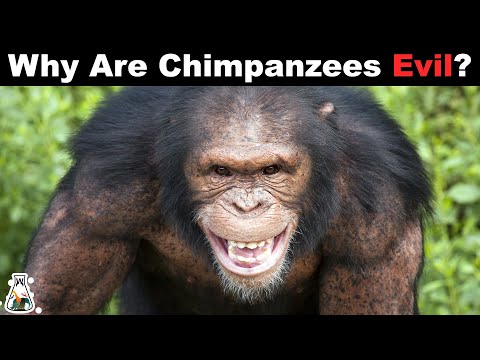
Keeping a chimpanzee as a pet brings some pretty serious issues. There are dangers from their strength, real disease risks, and the impact on their well-being.
Let’s look at why chimps simply don’t fit the “pet” category.
Physical Dangers and Aggression
Chimpanzees have way more muscle than people expect. An adult chimp? They’re about four times stronger than a human.
Even when they’re just playing, they can hurt you—sometimes badly—without meaning to.
As they get older, chimps often turn unpredictable and even aggressive. If they feel scared or upset, they might bite or attack.
Most homes just can’t keep chimps safely. They need big, secure spaces that regular people don’t have.
Even chimps raised as pets have attacked people, sometimes with awful results. Having a chimp at home is nothing like having a dog or a cat.
Health Risks and Disease Transmission
Chimps carry diseases that can jump to humans. Some, like Ebola, are extremely dangerous.
Because chimps are so closely related to us, infections pass easily between species.
If you keep a chimpanzee as a pet, you put yourself at higher risk for these diseases. Even careful handling doesn’t make you safe.
Chimps also need specialized vet care. Most pet owners just can’t provide that.
Health risks go both ways—chimps can get sick from humans too. If either of you gets ill, it’s easy for the other to catch it.
Human and Animal Welfare Concerns
In the wild, chimps live in social groups. They learn and grow from those connections.
Take that away, and the chimp often gets lonely or bored. That leads to stress behaviors like hair-pulling or rocking.
Pulling baby chimps away from their mothers for the pet trade? It’s traumatic and damaging for both.
Chimps raised without family rarely develop normal behaviors. They often turn aggressive or anxious as they grow.
Homes usually can’t meet a chimp’s physical, emotional, or social needs. That’s a huge ethical problem and causes real suffering.
If you want more on why chimpanzees as pets are unsafe, check out this link.
Legal, Ethical, and Practical Issues of Chimpanzee Ownership

Owning a chimpanzee isn’t just risky; it’s a legal and ethical tangle. You’ll deal with strict laws, tough ethical questions, and care challenges most people can’t manage.
These issues affect you, the chimp, and honestly, everyone around you.
Laws and Regulations: Federal and State Restrictions
You can’t just walk out and buy a chimp like a goldfish. The Endangered Species Act protects chimps, making it illegal to own one without a special permit.
Usually, only scientists, sanctuaries like Chimp Haven, or conservation groups get those permits.
Many states ban private ownership completely. Some allow it, but only with strict rules—inspections, permits, proof you know what you’re doing.
Local laws can be even tougher and might ban chimps even if your state says it’s okay.
If you break these laws, you could face big fines, lose the chimp, or even get charged with a crime. That’s why you almost never see pet chimps.
Ethical Considerations of Keeping Chimpanzees
Keeping a chimp raises serious ethical questions. Chimps aren’t just big pets—they’re wild animals with deep needs.
They need space, mental challenges, and, most of all, other chimps for company.
Most pet chimps suffer because they don’t get these basics. Baby chimps taken from their mothers miss out on vital social learning.
That leads to weird or harmful behaviors down the road.
Animal welfare laws exist to protect these endangered apes from abuse or neglect. Owning a chimp isn’t just about your ability to care for it—it’s about respecting its right to a natural life.
Impact on Chimpanzee Wellbeing and Social Development
Chimps thrive when they’re with others of their kind. If you keep one alone, they get lonely, stressed, and sometimes aggressive.
That damages their mental health and makes them more dangerous to people.
Young chimps especially need their mothers for at least five years. Without that, they can’t develop normal behaviors.
Pet chimps often show signs of anxiety or depression because they don’t get enough social interaction.
Your home probably can’t give a chimp the space it needs to climb and play. Without enough to do, they get bored and start acting out.
Challenges with Rehoming and Sanctuary Placement
If you decide to give up a pet chimpanzee, finding a new home gets really tough. Most sanctuaries fill up fast and just don’t have the space for more animals.
Some chimps, unfortunately, end up in roadside zoos or places with poor conditions because there just aren’t good options out there. It’s honestly a sad reality.
Places like Chimp Haven do their best to provide care, but they can only take in so many chimpanzees at a time. Moving a chimp to a sanctuary costs a lot, and you have to deal with legal stuff and health requirements, which makes things even trickier.
As your chimp grows, it gets way stronger. That extra strength makes handling incredibly difficult for rescues.
That’s why owning a chimp really is a lifelong commitment. The costs and risks? You just can’t ignore them.


