
Chimps might look playful and curious at first glance, but honestly, they can get pretty aggressive. When you look at their behavior, you’ll notice that chimps show stronger and more organized aggression than a lot of other animals.
They’re among the most aggressive animals, especially because they sometimes team up for coordinated attacks.

Trying to understand why chimps act this way gives you a peek into their social world. It might even offer some clues about where human aggression comes from.
Chimps don’t just act violently because of humans. Their aggression seems built into their natural wild behavior.
Curious about how aggressive chimps really are? Or what makes them stand out from other animals? Stick around—the facts might surprise you and maybe even change your view of these close relatives.
Chimpanzee Aggression and Social Behavior
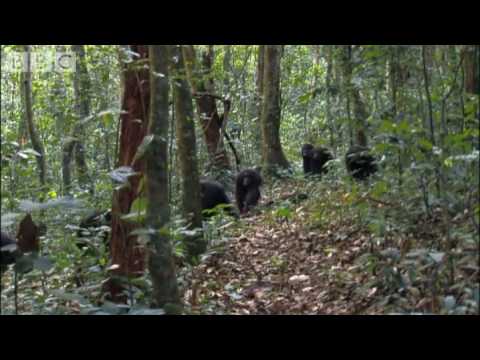
Chimpanzees, or Pan troglodytes, live complicated social lives, and aggression plays a big part in that. You’ll see fights pop up within groups and between different groups.
A lot of their daily life revolves around dominance, power, and keeping their territory safe.
Evidence of Aggression in Chimpanzee Communities
Aggression comes naturally to chimps, though it’s not the only thing going on. Sometimes, chimps get into violent interactions like hitting or biting, especially as they get older.
Older chimps usually act more aggressive than the younger ones. These attacks don’t happen randomly—they tend to follow social rules.
Chimps in captivity might lash out more because they lose their fear of humans. But in the wild, fights mostly break out among males or over social rank.
Chimps use aggression to show strength and push others around, which helps shape their social order.
Male Dominance and Lethal Violence
If you spend time watching chimps, you’ll see that males really drive a lot of the aggression. Male chimps compete for dominance, which affects who gets food and mates.
The strongest males usually rise to the top, using a mix of size, muscle, and social status. Sometimes, this competition gets deadly.
Groups have coordinated attacks that end up killing other males, especially rivals from neighboring communities. This kind of lethal violence helps males protect their group’s power and keep rivals at bay.
Muscle size doesn’t always make a male more aggressive, but higher-ranking males tend to win these fights more often.
Territorial Disputes and Group Conflict
Understanding chimpanzee aggression means looking at how groups defend their territory. Chimps live in communities with overlapping ranges, so clashes are pretty common.
They patrol the edges of their territory and attack intruders to protect food and space. These fights aren’t just chaos—groups sometimes plan them and work together against outsiders.
Population size matters here. Denser groups or places with more males see more violence.
For example, chimps in East Africa get into deadly fights more often than those in West Africa. Neighboring groups might kill infants or weaker members during these clashes to weaken their enemies.
You can think of these territorial fights as instinctive moves to survive and keep control over resources.
Comparing Chimpanzees to Other Aggressive Animals

People often call chimpanzees aggressive, but how do they really stack up against other animals? Their behavior changes a lot depending on the species and where they live.
Seeing these differences helps you realize why chimp aggression stands out.
Bonobos Versus Chimpanzees: Aggression Myths
Bonobos and chimpanzees are close relatives, but their aggression levels couldn’t be more different. Bonobos usually keep things peaceful and use social bonding—like grooming and play—to solve conflicts.
They almost never kill within their group. Chimpanzees, though, go the other way.
They’ve been seen organizing attacks on other groups, sometimes ending in death. This violence connects to their competition for territory and mates.
You might picture bonobos as just gentler chimps, but their social systems are really different. Bonobos rely more on cooperation, while chimps use aggression to keep order and control resources.
That’s why chimps are one of the few animals known for such coordinated and lethal violence (Live Science study).
Great Apes and Other Notorious Aggressive Species
Besides chimps and bonobos, other great apes like gorillas come to mind. People often think gorillas are dangerous, but they usually avoid fighting unless someone threatens them.
Gorillas have a lot of strength, but they’d rather intimidate than attack. Other animals with fierce reputations—like big cats, bears, and crocodiles—show aggression mainly when hunting or defending territory.
Chimps stand out because their violence happens within social groups and includes planned attacks on rivals.
Here’s a quick look at aggression traits:
| Animal | Aggression Type | Context |
|---|---|---|
| Chimpanzees | Coordinated, lethal | Territorial fights, dominance |
| Bonobos | Minimal, social bonding | Conflict resolution |
| Gorillas | Defensive, intimidation | Threat response |
| Big Cats | Hunting, territory | Predator/prey interactions |
| Bears | Defensive, opportunistic | Protecting young or food |
It’s kind of wild to see how chimps stand out, even among some of the world’s most aggressive species.
Factors Influencing Animal Aggression Levels
A bunch of things can affect how aggressive an animal gets. For chimpanzees, the number of males in a group and how packed together they are really matter.
When there are more males, you usually see more fights for dominance or mating. It’s kind of inevitable, right?
Environmental stuff, like how much food is around or how much space they have, also comes into play. If resources get scarce, chimps just ramp up the competition.
Humans make things trickier, too. When we destroy habitats, chimps get stressed out, but honestly, that’s not the whole story behind their aggression.
Age and upbringing shape their behavior as well. Older chimps, or those raised in captivity, tend to act more aggressively than their younger or wild-born buddies.
Social structure can’t be ignored. Chimps live in these intricate groups where someone’s always trying to keep their spot, sometimes through power moves or actual fights.


