
Ever wondered if birds can see you after dark? The answer might not be what you expect.
A lot of birds can spot you at night, though it really depends on the species and how much light is around. Owls, for example, have these incredible eyes that let them catch even the slightest movement in low light.

Even some birds that are active during the day see better at night than you’d think. Their eyes grab whatever light’s available, so they’re not totally blind in the dark.
Learning about how birds see after sunset might just change how you see nighttime wildlife yourself.
When you understand bird vision, you start to realize how sharp and unique their senses really are. Whether you’re out for a nighttime stroll or just curious, knowing this might help you spot birds in a way you hadn’t before.
How Birds See at Night
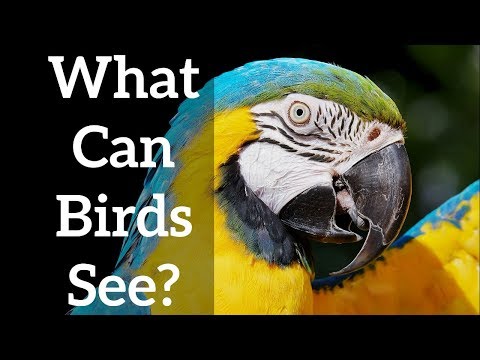
Birds rely on some pretty special features in their eyes to see when it’s dark. Some birds really thrive in darkness, while others just get by.
Their eyes use different cells and structures to grab as much light as possible.
Differences Between Nocturnal and Diurnal Bird Vision
Owls and other nocturnal birds have adapted to see well at night. They’ve got these big eyes for their head size, which means they pull in more light.
That helps them spot prey when it’s dark. Nocturnal birds have a lot more rod cells, so they can detect low light, but they don’t see much color.
Daytime birds, like sparrows, use mostly cone cells for seeing color in daylight. Their eyes are smaller and don’t catch as much light at night.
So, they don’t see as clearly in darkness, but they’re sharp in bright sun. Whether a bird can see you at night really comes down to its species and what its eyes are built for.
Role of Rod Cells and Cone Cells in Low-Light
Bird eyes have two main types of photoreceptor cells: rods and cones. Rod cells pick up dim light but don’t do color.
They help birds spot shapes and movement in the dark. Cone cells handle color but need more light to work.
Nocturnal birds pack their retinas with rod cells, which lets them see in almost total darkness. Owls, for example, have thousands of these.
That’s why they’re such good night hunters. Diurnal birds have more cones, so they get sharp, colorful vision in sunlight but not so much at night.
Eye Structure and Adaptations for Night Vision
Birds have some wild eye structures that help with night vision. Some species, like certain owls, have a reflective layer behind the retina called the tapetum lucidum.
This layer bounces light back through the retina, giving those photoreceptors another shot at catching it. That’s what makes their eyes glow in the dark and helps them see better when it’s dim.
Nocturnal birds also have bigger pupils and eyes to soak up more light. Soft feathers on their wings let them fly almost silently, so they can sneak up on prey.
All these traits work together, making it tough for you to hide from them at night.
For more details, you might want to check out this bird night vision guide.
Notable Night-Seeing Birds and Their Behaviors

Some birds have figured out amazing ways to see and get around in the dark. They rely on sharp senses and clever tricks to hunt, navigate, and stay safe at night.
You might be surprised at how quietly and efficiently they do all this.
Owls: Masters of Night Hunting
When it comes to birds that see in the dark, owls definitely steal the show. Their huge eyes pull in tons of light, so they can spot prey even when it’s barely visible.
That gives them a real advantage hunting small animals like mice or insects.
Owls have feathers shaped for silent flight, letting them sneak up on prey without a sound. Their hearing is so good, they can detect the faintest rustle under leaves or snow.
A lot of owls also blend right into trees during the day thanks to their camouflage feathers.
Nighthawks and Nightjars: Active at Dusk and Dawn
Nighthawks and nightjars aren’t full-time night birds, but they’re busy at dusk and dawn. You might catch them swooping low, snapping up insects mid-air.
Their wide mouths are perfect for scooping up bugs on the fly.
These birds have super cryptic feathers that look just like leaves or bark, so they’re tough to spot when they’re resting. They like to perch on open ground or branches, blending right in.
Their eyes work pretty well in low light, though not quite like an owl’s.
Navigation and Hunting in Darkness
Birds don’t just rely on their eyes to move around at night. Many nocturnal birds use sharp hearing to find prey or stay out of trouble.
Owls, for example, can pinpoint exactly where a sound is coming from, even in total darkness.
When hunting, these birds look for movement and listen for tiny sounds. Some, like burrowing owls, change their routines depending on when their prey is out.
Moonlight can also make a difference—brighter nights usually mean they can hunt more easily.
Beyond Vision: Echolocation and Other Sensory Tools
Not every night bird just relies on vision or hearing. Oilbirds and some swiftlets actually use echolocation to “see” in total darkness.
They send out clicking sounds and then pay close attention to the echoes that bounce off nearby objects. It’s a bit wild, but this trick lets them find their way around inside pitch-black caves where they spend much of their lives.
Some birds get creative with their feathers too. They grow long feathers around their beaks, almost like whiskers, so they can sense prey hiding nearby.
These extra sensory tools really give birds an edge when there’s hardly any light.
If you’re curious, you can read more about these fascinating night birds and their unusual skills in this detailed article on birds of the night.


