
Birds see humans in a way that’s honestly nothing like how you see yourself. Their eyes pick up colors you can’t even imagine, including ultraviolet light.
So, birds notice wild details and shades on you that are totally invisible to you. Their world looks way more colorful and detailed than yours.

Birds don’t just see more colors—they’ve got a much wider field of vision, and they spot tiny movements in a snap.
If you move quickly, a bird will catch it right away. But if you move slow and steady, you might just blend in a bit better.
Getting how birds see you can actually help you connect with nature. Maybe you’ll even get closer to your local birds.
You might not realize it, but birds use their sharp vision to judge more than just your outline. They pick up on subtle details that shape how they act around you.
Once you know this, it sort of changes how you see your place among birds. It opens up a whole new way of thinking about their experience.
If you want more details, check out this page about avian vision.
How Birds Perceive Humans
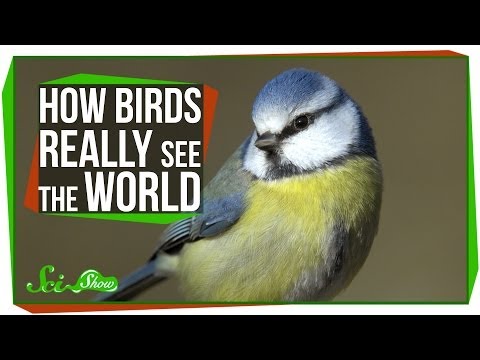
Birds notice a lot about people. They use what they see, remember what’s happened before, and pay attention to how often you show up.
This helps them decide if you’re safe, a threat, or maybe even someone who brings snacks.
Visual Cues Birds Use to Recognize People
Birds pay close attention to your shape, the colors you wear, and how you move. If you wear bright or odd clothes, you’ll probably stand out to them.
Pigeons and crows, for example, remember certain patterns or colors and use them to tell people apart.
Facial features matter too. Crows and magpies, who are pretty clever, can recognize faces.
They remember who’s been nice or who’s scared them in the past.
Your body language matters as well. If you move slowly and smoothly, you’re less likely to startle birds than if you make sudden movements.
Examples of Bird Recognition of Individual Humans
Some birds—crows and pigeons especially—can remember individual people. Studies show crows remember the faces of people who fed or threatened them, sometimes for years.
Pigeons recognize human faces too, and they can even tell the difference between friendly and unfriendly folks.
Birds might come up to you calmly if they trust you. If they see you as a threat, they’ll fly off.
You might notice certain birds hanging around at your usual feeding time. Some even come closer when they spot you.
These behaviors prove birds don’t just see “a human”—they actually recognize you.
Role of Interaction Frequency in Bird Recognition
How often you interact with birds makes a big difference. If you feed them regularly, they’ll start to expect you and trust you more.
When you stick to a feeding schedule, birds link your presence with food and safety.
Frequent encounters help birds learn your voice and your movements. Even just talking or moving gently near them helps build trust.
Without regular contact, birds might forget you or just not care. Their survival depends on recognizing threats, so consistency matters.
If you want to dive deeper, check out this article on how birds recognize humans and respond to different cues.
Unique Features of Bird Vision and How They Affect Perception of Humans
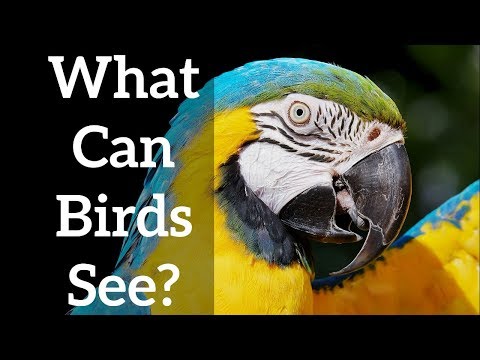
Birds see the world in ways that are honestly hard to imagine. Their eyes come packed with features that let them detect more colors—including ultraviolet—and spot tiny details.
These special traits really shape how they notice you and everything else around them.
Differences Between Bird and Human Vision
Birds have more color receptors in their eyes than humans. While you have three (red, green, blue), birds usually have four, so they see a much wider range of colors.
That’s called tetrachromatic vision.
Bird vision is sharper too. Some birds see details up to 12 times better than you.
They can spot tiny movements or threats from pretty far away.
Birds often have bigger eyes for their head size, which gives them a wider field of view.
Their eyes are shaped differently, so they get better depth perception and can focus on specific things more easily.
Color Vision and Ultraviolet Light Detection
Birds see ultraviolet (UV) light, which is completely invisible to you. This UV vision helps them find food, pick mates, and navigate—sometimes by spotting patterns on flowers, feathers, or even trails you’d never notice.
Thanks to UV, birds might see your skin, clothes, or eyes in ways you can’t predict. Some colors that look dull to you might glow or stand out to a bird.
With this enhanced color spectrum, birds rely more on what they see than what they hear or smell when dealing with humans and the world around them.
Functions of the Nictitating Membrane
Birds have this neat third eyelid, the nictitating membrane. It slides sideways across their eye and somehow manages to protect it without really blocking their vision.
This little membrane keeps the eye moist and clean. Birds especially rely on it during flight or when dust and debris swirl around.
It also helps them see underwater or cut through glare—pretty handy if they’re hunting fish, right?
If you ever watch a bird blink, you might spot that extra eyelid sweeping across. Maybe that’s why birds can keep an eye on you, even when their eyes look half closed.


