
Ever wondered how to spot the moment a baby bird is ready to leave the nest? It’s more than just seeing wings spread or feathers popping up. A bird gets ready to fly when its flight feathers finish growing, its wing muscles become strong, and it can balance and coordinate well enough to launch itself into the air.

You’ll probably notice young birds flapping their wings and hopping between branches before they actually fly. Parents often help out, tempting them with food just out of reach, nudging them to try those first awkward jumps.
These signs let you catch that wild, risky moment when fledglings finally step out on their own. Watching it up close, you’ll see that learning to fly isn’t just a quick leap—it’s a careful, step-by-step process. If you’re curious about the stages, there’s a lot to explore in how birds learn these skills.
Understanding Fledging: When Birds Learn to Fly
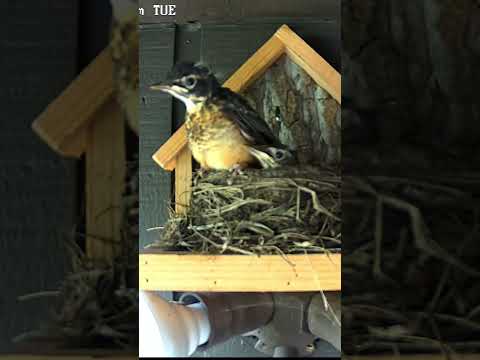
Figuring out when a young bird is ready to fly means watching for a bunch of changes in how it looks and acts. These changes show up step by step, and honestly, it depends a lot on the species.
You’ll see their muscles get stronger, feathers fill in, and their coordination gets better before they ever take off.
Key Flight Development Stages
At first, your young bird stays in the nest as a nestling. During the fledging phase, it turns into a fledgling and starts picking up flight skills.
It builds muscle by flapping its wings in the nest. Then it tries short hops between branches, working on balance and control.
Feathers grow into a tougher juvenile plumage, finally strong enough to handle flight. The bird’s muscles, coordination, and energy all ramp up to a point where it can finally take off.
Parents encourage practice by bringing food and using calls. For many songbirds, this whole process takes about 2-3 weeks.
Recognizing Signs of Flight Readiness
You’ll know a fledgling’s getting close to flying when its feathers look full and sleek, especially those primary wing feathers. The bird flaps a lot and tries little jumps from the nest.
Watch for better balance and smoother landings on nearby branches. You’ll also see it respond to parents’ calls by spreading its wings or making short flights toward food.
Energy levels go up, and the fledgling gets more active. These signs mean the bird’s building up the guts and strength to finally leave the nest.
Differences Among Bird Species
Not all birds follow the same timeline. Small songbirds usually start flying about two weeks after they hatch. They grow flight feathers and muscles pretty quickly.
Birds of prey, like eagles or hawks, take much longer—sometimes up to 10 weeks—before they’re ready. They need bigger muscles and stronger wings for those powerful flights.
Some waterfowl and ground birds learn to walk first. That gives them time to explore and get stronger before they even think about flying.
Knowing these differences helps you guess when birds in your area might take their first flight. If you want more details on the timeline, check out this guide on when birds learn to fly.
Physical and Environmental Factors Affecting First Flight

If you want to know when a bird is ready to fly, just look at its wings, feathers, age, and what’s happening around it. Food, danger, and what the parents do all play a part in that big first flight.
Wing and Feather Development in Young Birds
Your bird needs fully grown, strong flight feathers to get off the ground. These feathers give it lift and let it steer in the air.
Nestlings start out with soft down. As they grow, those fluffy feathers get replaced by tougher flight feathers.
You’ll see fledglings flapping their wings a lot. That’s how they build muscle and get their balance down. Tougher wings and this physical growth mean they’re almost ready.
If the feathers aren’t fully in or get damaged, the bird just can’t fly well. Watching how those wings develop tells you a lot about takeoff time.
Age and Timing for Fledging
Most fledglings leave the nest somewhere between 10 and 20 days after hatching. Species makes a big difference here. Sparrows, for example, usually fledge around day 14, while hawks might take up to 9 weeks.
You’ll see birds try short flights once their wing muscles get stronger. Before that, they’ll just hop around the nest and nearby branches.
Age is a clue, but it’s not everything. Some birds take more or less time, depending on their health and how much food they get.
Influence of Environment and Parental Care
The world around your bird affects how soon it flies. If there’s plenty of food, they grow faster and get stronger wings. If predators hang around, birds might stay in the nest longer.
Weather matters, too. Rain or heavy wind can make first flights risky, so birds usually wait for calm days.
Parents stay busy feeding the young and encouraging wing flapping. They keep an eye out for danger and help fledglings practice flying nearby.
Challenges Faced by Fledglings
Flying for the first time isn’t exactly a walk in the park. Fledglings run into dangers like hungry cats or big birds that might see them as a snack.
They might even crash land and get hurt. That happens more often than you’d think.
Flying uses up a ton of energy, so these little birds get tired fast. On top of that, hot days make it tough to find enough water, and dehydration sneaks up quickly.
If you want to help, try keeping your pets inside. Give the fledglings some space, and maybe just watch from a distance.
Don’t pick them up—handling can make their parents nervous, and sometimes the adults just leave if they smell humans. Honestly, just letting young birds figure things out without interference gives them a much better shot at learning to fly and staying out of trouble.
If you’re curious about how and when they actually take off for the first time, here’s more about when baby birds take their first flight.


