
Rabbits are playful and social animals that need plenty of space to move and explore. If you’re a rabbit owner, you might wonder about the best way to care for your furry friend. A rabbit should not stay in a cage all day. Leaving your rabbit confined for long periods can harm its health and happiness.
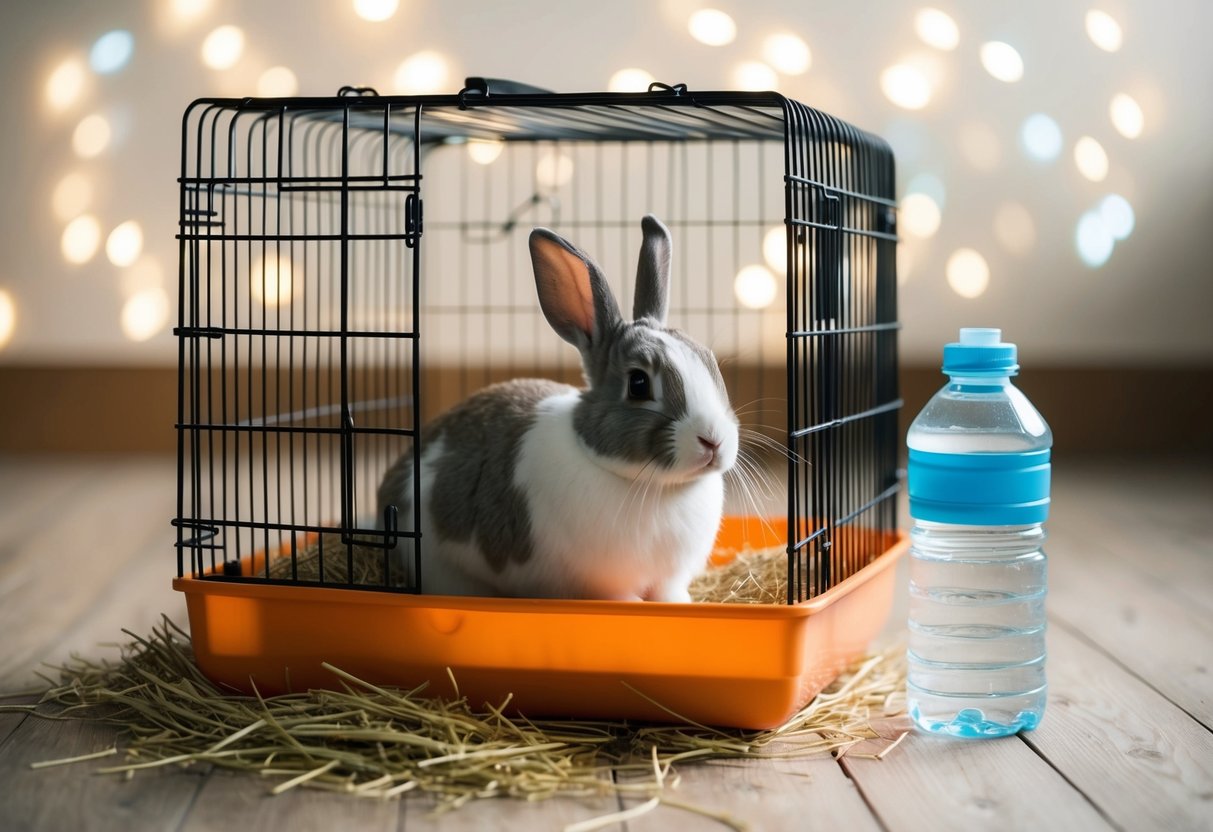
Your bunny thrives on exercise and interaction. Without enough living space to hop around, your rabbit may feel bored or anxious. This can lead to behavioral problems and physical issues.
Providing a safe, spacious environment is key to keeping your rabbit healthy and content.
As you read on, you’ll discover why a balance of time in the cage and time to roam is essential for your rabbit’s well-being. Understanding how to create the best living conditions will help ensure your pet lives a happy life.
Understanding Rabbit Behavior and Needs
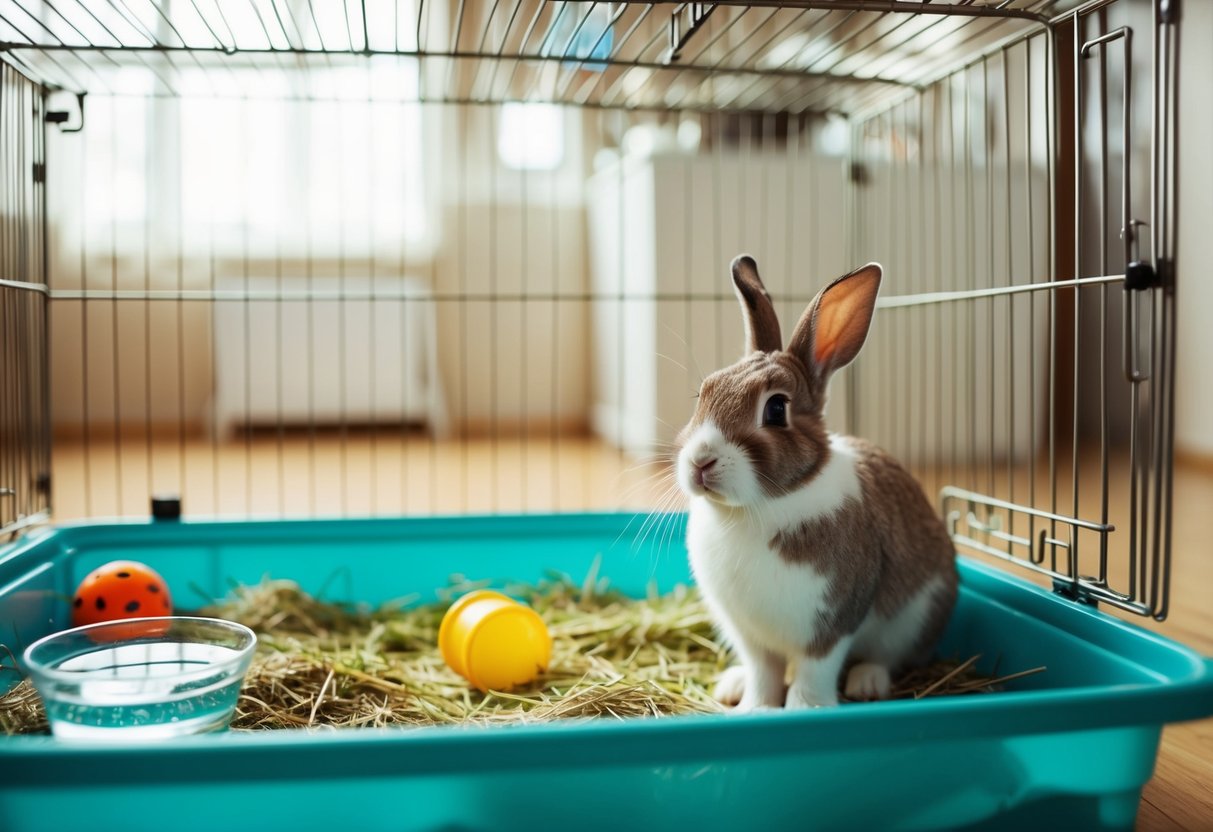
Rabbits have unique needs that are essential for their wellbeing. They thrive on social interaction, require plenty of exercise, and need mental stimulation to stay happy. Meeting these needs helps ensure your rabbit remains healthy and content.
The Social Nature of Rabbits
Rabbits are social animals and crave companionship. In the wild, they live in groups, which provides safety and support. When you have a pet rabbit, you should engage with it daily.
Spending time with your rabbit can strengthen your bond. They often enjoy being petted or cuddled. If you have more than one rabbit, they can also keep each other company. Just make sure to introduce them carefully.
Importance of Exercise and Play
Exercise is vital for your rabbit’s health. If your rabbit is kept in a cage all day, it won’t get enough physical activity. Rabbits need space to hop, jump, and run around.
Providing a safe play area outside the cage can greatly benefit your rabbit. Aim for at least a few hours of exercise each day.
This can include tunnel toys, chew toys, and even simple cardboard boxes to explore. Regular play helps prevent obesity and keeps your rabbit’s muscles strong.
Mental Stimulation and Enrichment
Mental stimulation is just as important as physical exercise. Rabbits can become bored if they don’t have enough to do. Boredom can lead to stress, depression, or undesirable behavior.
You can keep your rabbit engaged by offering various enrichment activities. Puzzle toys, hiding treats, or rotating toys can create interest. Also, making a cozy digging area with safe materials will provide a fun outlet.
Providing a rich environment helps your rabbit feel secure and happy. Remember, a happy rabbit is a healthy rabbit.
Health and Welfare Implications of Caging
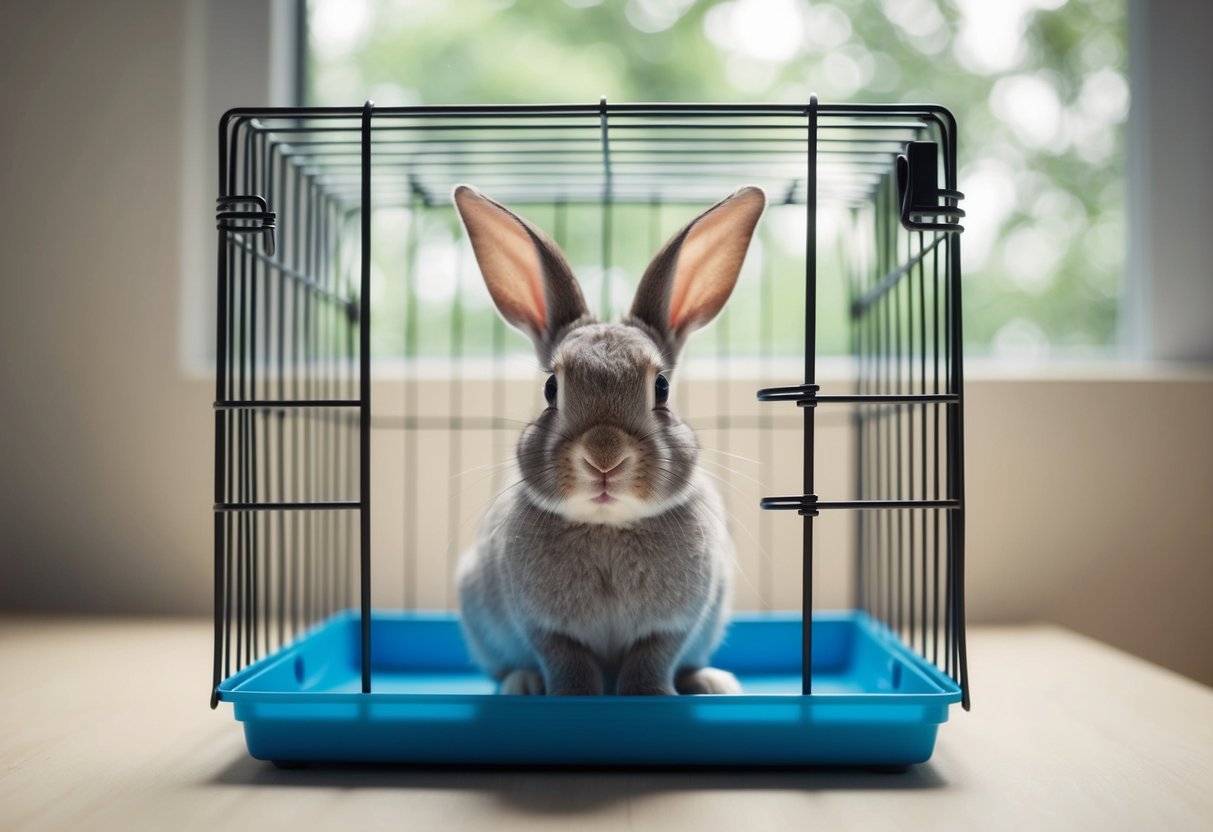
Keeping your rabbit in a cage all day can lead to several health issues and affect their overall well-being. Understanding the risks of prolonged confinement and the importance of cage size can help you create a better environment for your pet.
Risks of Prolonged Confinement
Prolonged time in a cage can lead to serious health problems for your rabbit. Domestic rabbits are active animals that need daily exercise to stay healthy. Staying locked in a cage can cause stress, which may lead to issues like gi stasis—a potentially life-threatening condition where the digestive system slows down.
When rabbits lack room to move, they can develop muscle atrophy, weight gain, or even obesity. These conditions can cut down their lifespan and make your pet prone to other diseases.
To maintain their health, ensure your rabbit gets out of the cage at least twice a day for exercise and exploration.
The Link Between Cage Size and Health
The size of your rabbit’s cage plays a critical role in their well-being. A cage that is too small can contribute to stress and emotional distress.
A spacious cage allows your rabbit to hop, stretch, and engage with toys—important activities for their physical and mental health.
According to guidelines from animal welfare organizations, a cage should be large enough for your rabbit to move freely. Consider a cage with a minimum size of 4 feet long by 2 feet wide for small to medium-sized rabbits. This space provides a safe environment but should not replace playtime outside the cage.
Creating an Appropriate Living Environment
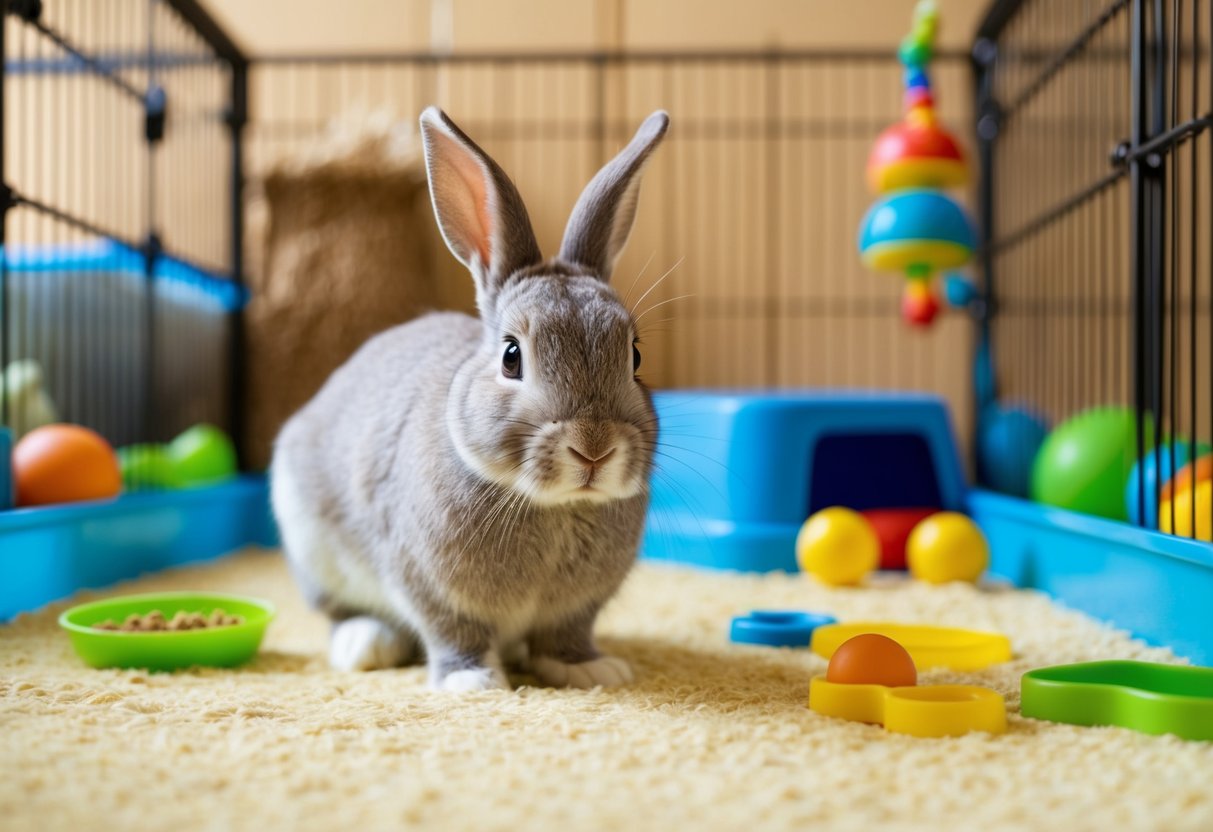
Creating a suitable living environment for your rabbit is crucial. This includes choosing the right cage, enhancing it with enriching items, and considering alternatives that meet their needs.
Suitable Cages and Enclosures
When selecting a cage for your rabbit, size matters. Ensure your enclosure provides enough space for your rabbit to hop, stand, and stretch. A larger cage, ideally 4 feet by 2 feet, is a good standard.
Look for a cage with a solid floor and a sturdy design.
Consider a cage with a separate resting area and room for a litter box. This allows your rabbit to feel secure in their territory. Always place the cage in a quiet area where your rabbit can feel safe from noise.
Adding Enrichment to the Cage
Adding enrichment is essential for your rabbit’s happiness. Include a variety of toys, such as chew toys and tunnels, to keep them entertained.
Digging boxes filled with safe materials can mimic natural behaviors and provide fun.
You can also place hay racks and food puzzles in the cage. These encourage foraging and keep their minds engaged. Regularly rotate toys to maintain interest and introduce new challenges for your rabbit.
Alternatives to Caging
If possible, think about alternatives to traditional cages. A rabbit run or outdoor run can provide a safe space for exercise and exploration.
These setups allow for interaction with the environment while keeping your rabbit secure. You can create a designated area in your home or yard where they can safely roam, dig, and play. This approach provides more stimulating surroundings and promotes better physical and mental health.
Practical Tips for Rabbit Owners
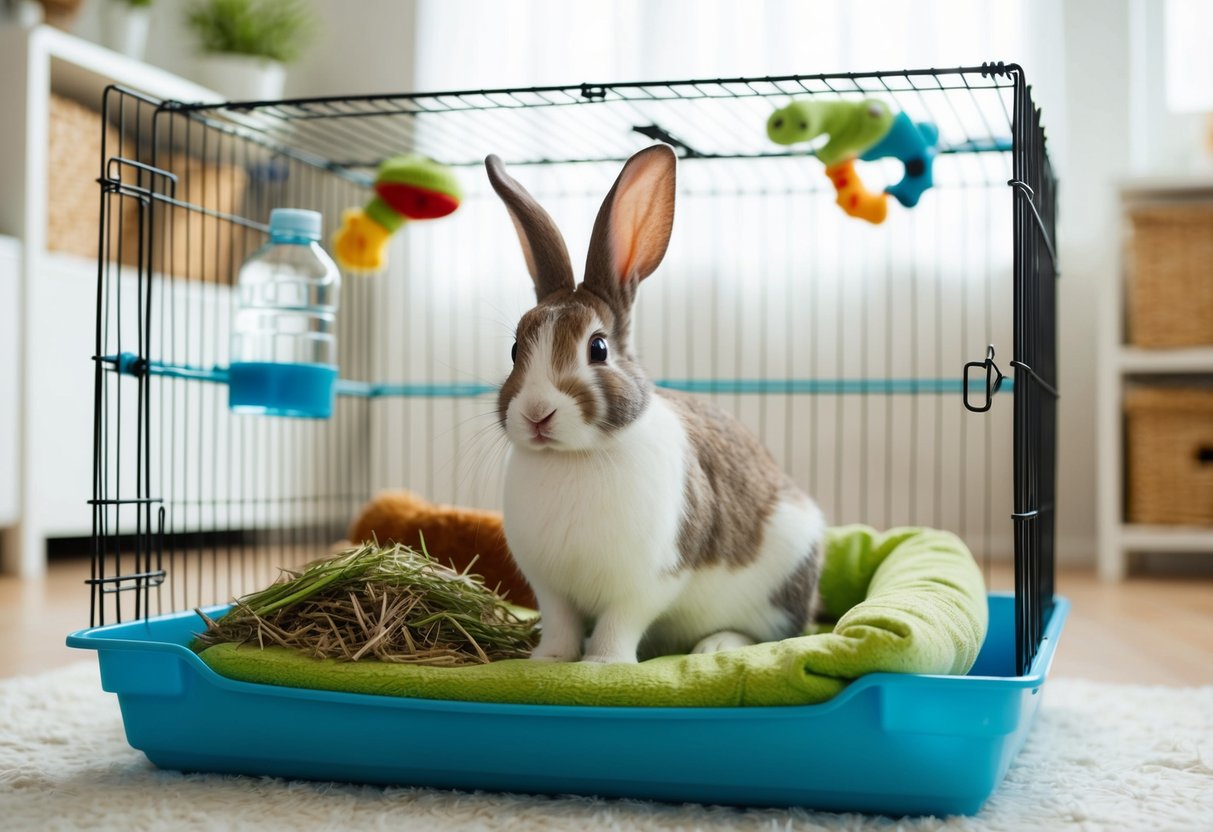
As a rabbit owner, maintaining a clean environment and ensuring your pet receives proper training and socialization are key to a happy bunny. Here are important tips to help you with these aspects.
Regular Maintenance and Cleaning
To keep your rabbit’s space healthy, clean it regularly. Remove soiled bedding daily to prevent odors and promote hygiene. You should also change the litter in the enclosure at least once a week.
Cleaning Checklist:
- Daily: Remove droppings and uneaten food.
- Weekly: Change litter and wash bedding.
- Monthly: Deep clean the cage and accessories.
Keep an eye out for any signs of wear or damage in toys and bedding. Regular maintenance helps keep your rabbit comfortable and protects its health.
Training and Socialization
Training your rabbit is essential for a well-behaved pet. You can use positive reinforcement, such as treats, to encourage good behavior. For example, reward your rabbit when it uses the litter box correctly.
Socialization is equally important. Spend time interacting with your rabbit daily. This can include gentle petting, playtime, and letting them explore safe spaces in your home.
Social Interaction Tips:
- Spend at least 1-2 hours a day interacting with your rabbit.
- Create a safe space for them to explore outside their cage.
- Use toys to encourage play and activity.
With consistent training and socialization, your rabbit will thrive and be a joyful companion.


